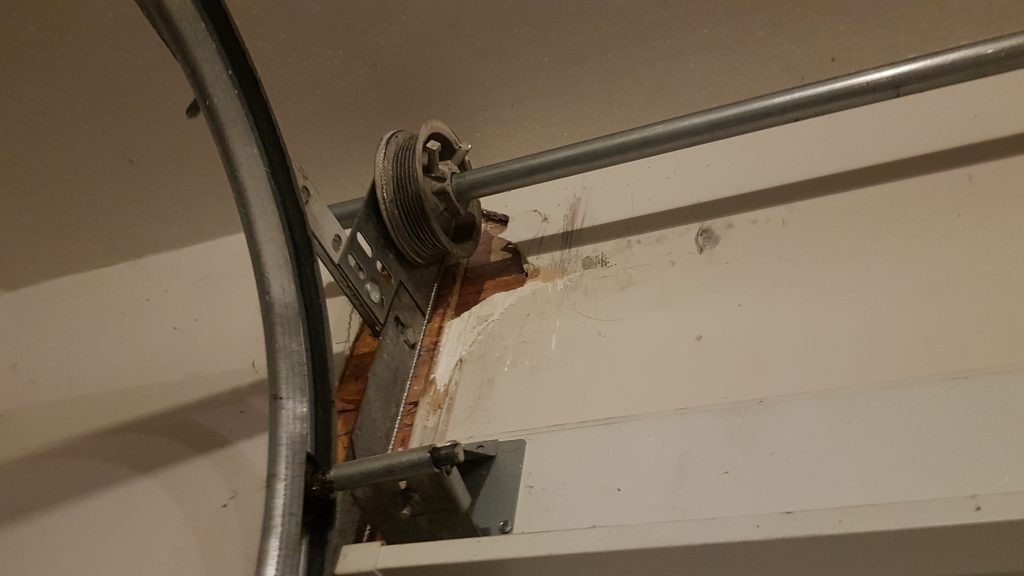
Proper garage door cable drum alignment is essential for smooth, safe, and reliable door operation. When the cable drum is out of alignment, you may notice noisy movement, uneven lifting, or the door coming off track. These issues can quickly escalate, leading to more costly repairs or even safety hazards. Thankfully, with a basic understanding of how the cable drum system works, many tracking problems can be resolved with straightforward adjustments.
This article covers the most common causes of misalignment, step-by-step fixes, and practical tips to keep your garage door running smoothly. If you’re looking for additional technical details or want to dive deeper into cable maintenance, the garage door cable professional guide offers further insights.
Understanding Cable Drum Alignment and Its Role in Door Tracking
The cable drum is a grooved wheel mounted at each end of the torsion spring shaft above your garage door. As the door opens and closes, the cables wind and unwind around these drums, guiding the door along its tracks. If the drum is not properly aligned, the cables can slip, overlap, or become slack, causing the door to tilt or jam.
Signs of misalignment include:
- Uneven gaps between the door and the frame
- Visible slack or fraying in the cables
- The door comes off its tracks or binds during movement
- Unusual noises, such as grinding or scraping
Addressing these symptoms early can prevent more severe damage and extend the lifespan of your garage door system.
Common Causes of Cable Drum Misalignment
Several factors can lead to cable drum issues. The most frequent causes include:
- Loose set screws on the drum or shaft, allowing the drum to shift position
- Worn or damaged cables that no longer sit properly in the drum grooves
- Improper installation or previous repairs done incorrectly
- Normal wear and tear from repeated use
- Obstructions or debris caught in the drum or cable path
Regular inspection and maintenance are key to preventing these problems. For more on keeping cables in top shape, see the garage door cable prevention tips.
Step-by-Step Guide to Fixing Garage Door Cable Drum Alignment
Before starting any adjustments, ensure your safety. Garage door springs and cables are under high tension and can cause injury if handled improperly. If you are unsure or uncomfortable, consult a professional.
-
Disconnect Power and Secure the Door
Unplug the garage door opener and use locking pliers or clamps to secure the door in the open position. This prevents accidental movement while you work.
-
Inspect the Cables and Drums
Check for visible wear, fraying, or kinks in the cables. Make sure the cables are seated properly in the drum grooves and that the drum itself is flush against the bearing plate.
-
Check Set Screws and Drum Position
Using a wrench, verify that the set screws on the cable drum are tight. If the drum has shifted, loosen the set screws slightly and reposition the drum so it is aligned with the cable and track. Retighten the screws securely.
-
Re-tension the Cables
If the cables are slack or uneven, gently pull them taut and wind them evenly onto the drum. Make sure both sides are balanced to prevent the door from tilting.
-
Test the Door
Remove the clamps and slowly lower the door by hand. Watch for smooth movement and listen for any unusual sounds. If the door binds or the cables slip, repeat the alignment steps as needed.
For a more detailed breakdown of cable upgrades and system improvements, you may want to review the garage door cable system upgrade resource.
Preventing Future Alignment Issues
Consistent maintenance is the best way to avoid recurring cable drum problems. Here are a few practical tips:
- Visually inspect cables and drums monthly for signs of wear or misalignment
- Lubricate moving parts with a garage door-safe lubricant
- Keep the tracks and drum area free from dust and debris
- Address minor issues promptly to prevent escalation
- Schedule professional inspections annually, especially if your door is used frequently
During winter months, cold temperatures can affect cable flexibility and drum performance. For seasonal advice, see the garage door cable winter issues guide.

When to Call a Professional
While many alignment issues can be handled with basic tools and careful attention, some situations require expert help. If you notice broken springs, severe cable fraying, or the door will not stay open or closed, contact a qualified technician. Attempting to repair high-tension components without experience can be dangerous.
For a comprehensive overview of cable care and corrosion prevention, the garage door cable corrosion prevention article is a valuable reference.
Additional Tips and Resources
Staying informed about best practices for cable drum maintenance can save time and money. For a list of what to do (and what to avoid) when handling cables, check out this guide to garage door cable dos and don’ts. Regularly updating your knowledge ensures your garage door remains safe and functional year-round.
Frequently Asked Questions
What are the risks of ignoring cable drum misalignment?
Leaving alignment issues unaddressed can lead to uneven door movement, cable fraying, or the door coming off track. Over time, this can damage other components and increase repair costs. In severe cases, it may pose a safety risk to people and property.
How often should I check my garage door cable drum alignment?
It’s a good idea to visually inspect the cable drums and cables at least once a month. Look for signs of wear, slack, or misalignment. Annual professional inspections are recommended for high-use doors or older systems.
Can I realign the cable drum myself, or should I hire a professional?
Many minor alignment issues can be fixed by a careful DIYer with the right tools and safety precautions. However, if you’re unsure, dealing with high-tension springs, or see significant damage, it’s best to call a professional to avoid injury.