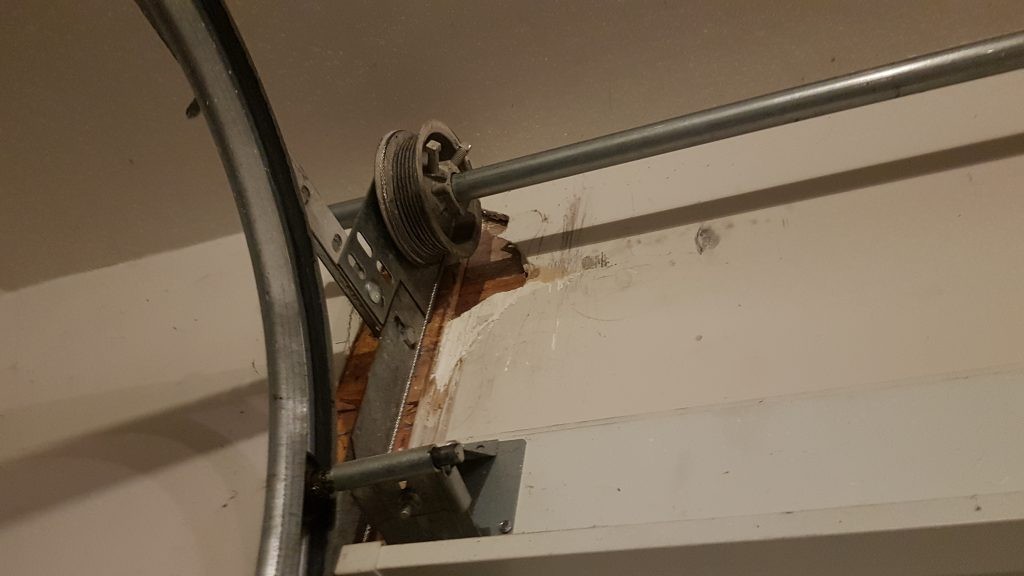
Maintaining a safe and reliable garage door is a crucial responsibility for any homeowner. One of the most important components to monitor is the cable system, which plays a vital role in the smooth and secure operation of your garage door. Regularly inspecting these cables can help prevent accidents, reduce repair costs, and extend the lifespan of your door. This guide offers a comprehensive garage door cable safety checklist tailored for homeowners, outlining what to look for, how to spot potential hazards, and when to seek professional help.
Understanding the basics of garage door cable safety empowers you to catch issues early, avoid sudden breakdowns, and ensure your family’s safety. If you’re interested in more advanced technical details, you might find the garage door cable professional guide helpful for in-depth tips and specifications.
Why Garage Door Cable Inspections Matter
Garage door cables are under constant tension and bear the weight of the door every time it opens or closes. Over time, these cables can fray, corrode, or snap, leading to potentially dangerous situations. Routine checks are not just about convenience—they are about preventing injuries and costly emergency repairs. A thorough garage door cable safety checklist helps you identify early warning signs and maintain a secure environment.
For those looking to prevent issues before they start, reviewing garage door cable prevention tips can offer additional strategies for long-term care.
Essential Steps for Garage Door Cable Safety
Before beginning any inspection, ensure the garage door is fully closed and disconnect the automatic opener to prevent accidental movement. Never attempt to repair or adjust high-tension cables yourself—leave major repairs to professionals.
-
Visual Inspection
- Look for fraying, kinks, or broken strands along the length of the cable.
- Check for rust, corrosion, or discoloration, especially near the bottom where moisture collects.
- Ensure cables are properly wound on the drum and not slipping out of place.
-
Listen for Unusual Noises
- Operate the door manually and listen for grinding, scraping, or popping sounds.
- Unusual noises can indicate cable tension problems or misalignment.
-
Check Cable Attachments
- Inspect the points where cables attach to the bottom bracket and drum.
- Look for loose hardware, missing fasteners, or signs of wear around the attachment points.
-
Monitor Door Movement
- Open and close the door slowly to ensure smooth, even movement.
- If the door jerks, tilts, or moves unevenly, cables may be stretched or damaged.
-
Look for Cable Slack
- Cables should remain taut when the door is closed.
- Slack or drooping cables can signal a problem with springs or pulleys.
Common Issues Identified During Cable Checks
Through regular use, several problems can arise with garage door cables. Recognizing these early can help you avoid sudden failures:
- Frayed or Broken Strands: Even a few broken wires can weaken the cable significantly.
- Corrosion: Rust is a sign of moisture exposure and can cause cables to snap unexpectedly. For more on protecting your cables from rust, see the garage door cable corrosion prevention guide.
- Loose or Slipping Cables: If cables are not tightly wound or have slipped off the drum, the door may become unbalanced.
- Visible Wear at Attachment Points: Wear around brackets or drums can lead to sudden detachment.
- Unusual Door Movement: Jerky, uneven, or slow movement often points to cable or spring issues.
How to Maintain Garage Door Cables for Safety
While some maintenance tasks are best left to professionals, there are steps homeowners can take to keep cables in good condition:
- Keep the area around the cable and drum clean and free of debris.
- Apply a light lubricant to the cables if recommended by your manufacturer (never use heavy grease).
- Check for signs of rodent or insect damage, especially in garages that are not sealed.
- Test the door’s balance by disconnecting the opener and lifting the door manually—it should stay open about halfway. If not, cables or springs may need attention.
- Schedule professional inspections annually, especially if you notice any of the warning signs above.
For those considering improvements, a garage door cable system upgrade can enhance both safety and performance.
When to Call a Professional
While regular homeowner inspections are essential, certain situations require expert intervention:
- You notice severe fraying, broken strands, or rusted cables.
- The door is unbalanced or won’t stay open when lifted manually.
- Cables have slipped off the drum or appear loose.
- You hear loud bangs or the door drops unexpectedly.
Attempting to repair or replace high-tension cables without proper training can be extremely dangerous. If you encounter any of these issues, contact a qualified technician immediately. For more on what to avoid, see this guide to the dos and don’ts of garage door cables.
Seasonal Considerations for Garage Door Cable Safety
Weather changes can affect the performance and longevity of your garage door system. In colder months, cables may become brittle or contract, increasing the risk of breakage. During wet seasons, rust and corrosion are more likely. For tips on handling seasonal challenges, the garage door cable winter issues article provides practical advice on preventing cold-weather problems.
FAQ: Homeowner Garage Door Cable Safety
How often should I inspect my garage door cables?
It’s recommended to visually check your cables every few months and schedule a professional inspection at least once a year, or immediately if you notice any signs of wear or damage.
What are the most common signs that garage door cables need replacement?
Look for fraying, rust, broken strands, slack cables, or any visible wear at the attachment points. If the door moves unevenly or makes unusual noises, it’s time to call a professional.
Can I replace garage door cables myself?
Replacing cables involves high tension and can be very dangerous without specialized tools and training. Homeowners should only perform visual inspections and basic maintenance—leave repairs and replacements to certified technicians.
Do seasonal changes affect garage door cable safety?
Yes, temperature fluctuations and humidity can cause cables to contract, expand, or corrode. Regular checks during seasonal transitions help catch issues before they become serious.
What should I do if a cable snaps?
If a cable breaks, stop using the door immediately and contact a professional. Do not attempt to open or close the door, as this can cause further damage or injury.
By following this garage door cable safety checklist and staying proactive with maintenance, you can help ensure your garage door remains safe, reliable, and ready for daily use. Regular inspections, timely repairs, and professional support are the keys to long-term peace of mind.