If you have a garage with an automatic or manual door, you’ve probably noticed the sturdy metal cables running alongside the tracks or attached to the springs. These components are essential for the safe and reliable operation of your garage door, yet many homeowners aren’t sure what they do or why they matter. Understanding what are garage door cables and how they function can help you spot problems early, maintain your door’s performance, and avoid costly repairs.
In this straightforward guide, we’ll explain the purpose of garage door cables, the different types you might find, signs of wear, and what to do if you suspect a cable issue. If you’re curious about the mechanics behind these cables, you can also read more about how garage door cables work to lift your heavy door.
Understanding the Role of Garage Door Cables
Garage door cables are heavy-duty wires, typically made from galvanized steel, that work in tandem with the springs to raise and lower your garage door. Their main job is to transfer the tension created by the springs, allowing the door to move smoothly and safely. Without these cables, the door would be extremely difficult (and dangerous) to operate, as the full weight would fall on the opener or your own strength.
There are two primary types of cables used in residential garage doors:
- Lifting cables: Found on doors with torsion spring systems, these cables wind and unwind around drums at the top of the door as it opens and closes.
- Extension spring cables: Used with extension spring setups, these run along the sides of the door and help control the movement as the springs extend and contract.
Both types are critical for safe operation. If a cable snaps or becomes loose, the door can become unbalanced or even fall, posing a serious safety risk.
Types of Garage Door Cable Systems
The kind of cable your door uses depends on the spring system installed. Here’s a closer look at the two most common systems:
Torsion Spring Cables
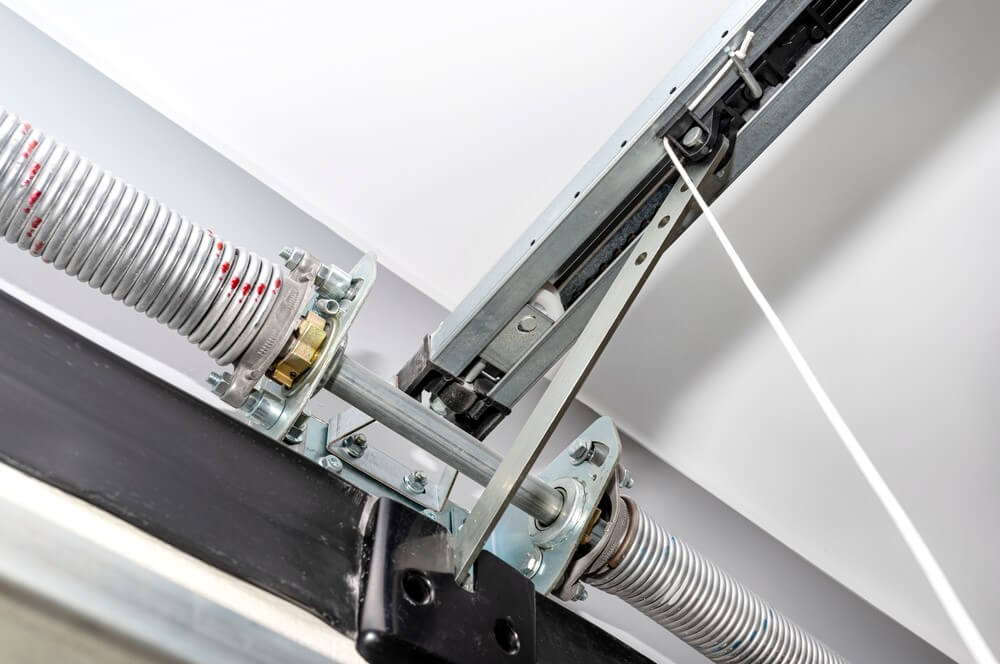
Torsion spring systems are mounted above the door opening. The cables attach to the bottom corners of the door and wrap around cable drums as the door moves. These cables must be strong and precisely installed, as they bear the full tension of the wound springs.
Extension Spring Cables
Extension spring setups have springs running parallel to the horizontal tracks. The cables in these systems are attached to pulleys and help manage the extension and retraction of the springs. They also act as safety cables, preventing the springs from flying off if they break.
If you’re unsure which system your garage uses, look for springs above the door (torsion) or along the sides (extension). Both systems rely on cables, but the installation and maintenance requirements differ.

Why Garage Door Cables Are So Important
The cables in your garage door system do more than just help the door move up and down. They play a vital safety role, preventing the door from crashing down if a spring fails. Here’s why these components are so crucial:
- Safety: Cables keep the door from falling suddenly, which could cause injury or property damage.
- Balance: Properly tensioned cables ensure the door stays level and operates smoothly.
- Longevity: Well-maintained cables reduce strain on the opener and other hardware, extending the life of your entire system.
If you notice fraying, rust, or slack in your cables, it’s important to address the issue promptly. Regular inspection can help you avoid unexpected breakdowns and keep your garage door functioning safely.
Common Signs of Cable Problems
Garage door cables are built to last, but they’re not immune to wear and tear. Here are some warning signs that your cables may need attention:
- Visible fraying or broken strands
- Rust or corrosion on the cable surface
- Slack or loose cables hanging from the drum or pulley
- The door moves unevenly or gets stuck partway
- Loud snapping or grinding noises during operation
If you spot any of these issues, avoid using the door until a professional can inspect and repair the cables. Attempting to fix or replace cables yourself can be dangerous due to the high tension involved.
For more details on the mechanics and safety considerations, you might find this in-depth explanation of how garage door cables work helpful.
How to Maintain and Replace Garage Door Cables
Routine maintenance is key to keeping your garage door cables in top shape. Here are some practical tips:
- Visually inspect cables every few months for signs of wear, rust, or fraying.
- Keep the area around the cables clean and free of debris.
- Lubricate moving parts (but not the cables themselves) to reduce friction and wear.
- If you notice any damage, contact a qualified technician for repairs.
Replacing garage door cables is not a typical DIY job. The tension in the springs and cables can cause serious injury if handled incorrectly. Always hire a professional for cable replacement or major repairs.
If you’re interested in learning about related garage door issues, such as why your garage door sensor indicator light might be missing or how to fix garage door sensor mounting on metal studs, there are resources available to help you troubleshoot and maintain your system.
Frequently Asked Questions
How long do garage door cables typically last?
With regular use and proper maintenance, garage door cables can last 8 to 15 years. However, factors like humidity, frequency of use, and quality of materials can affect their lifespan. Inspect cables regularly to catch signs of wear early.
Can I replace garage door cables myself?
It’s not recommended for most homeowners to attempt cable replacement. The high tension in the springs and cables can be extremely dangerous. Always consult a professional for repairs or replacements to ensure safety.
What should I do if my garage door cable snaps?
If a cable breaks, stop using the door immediately. Leave the door as it is and contact a qualified technician. Do not try to open or close the door, as it may be unbalanced and could fall unexpectedly.
Conclusion
Garage door cables are a small but vital part of your garage door system. They work with the springs to lift and lower the door safely, protect against sudden drops, and help keep your door balanced. By understanding their function and keeping an eye out for signs of trouble, you can keep your garage door running smoothly for years to come. For more in-depth technical details, you can always refer to resources explaining how garage door cables work or consult a professional for maintenance and repairs.