Persistent garage door cable noise can be more than just an annoyance—it may signal underlying issues that, if left unchecked, could lead to costly repairs or even safety hazards. Squeaks, rattles, and grinding sounds coming from your garage door’s cables are common, especially as the system ages or if it’s exposed to dust, moisture, or temperature changes. Understanding the causes of these noises and knowing how to address them can help extend the life of your garage door and keep it operating smoothly.
This article explains what causes cable-related sounds, how to diagnose them, and practical steps to eliminate unwanted noise. Whether you’re a homeowner looking to perform basic maintenance or want to know when it’s time to call a professional, you’ll find clear guidance here. For those seeking more in-depth technical details, the garage door cable professional guide offers comprehensive information on cable types, installation, and troubleshooting.
Common Causes of Cable Squeaks and Rattles
Several factors contribute to garage door cable noise. Identifying the root cause is the first step toward a quieter, more reliable door system. Here are the most frequent culprits:
- Lack of Lubrication: Cables, pulleys, and other moving parts require regular lubrication. Without it, friction increases, resulting in squeaks and grinding sounds.
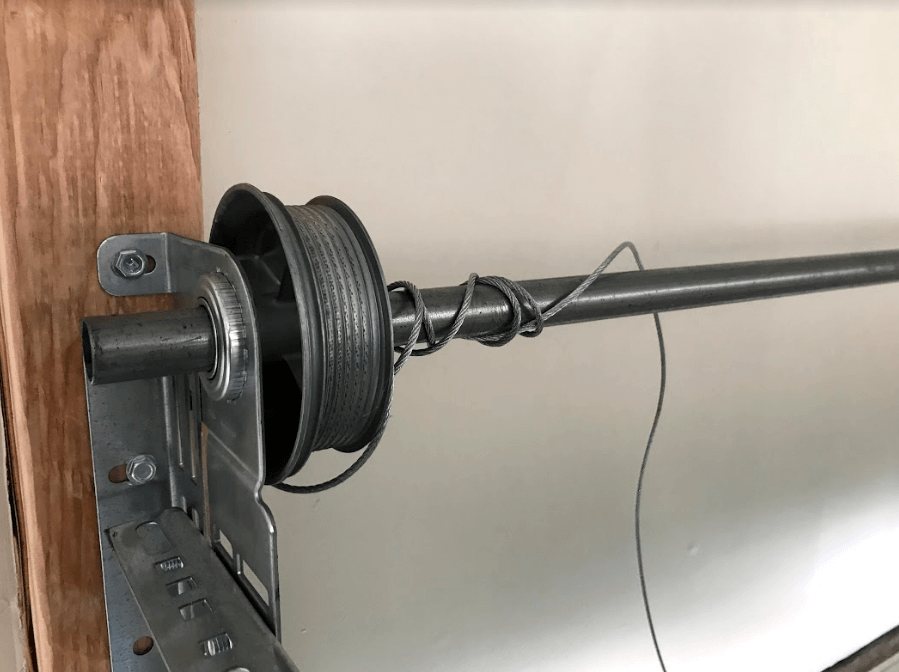
- Worn or Damaged Cables: Over time, cables can fray, rust, or become misaligned. Damaged cables may rub against other components, producing rattles or scraping noises.
- Loose Hardware: Bolts, brackets, and fasteners may loosen with repeated use. Vibrations from the door’s movement can amplify rattling sounds.
- Misaligned Tracks or Pulleys: If the tracks or pulleys are out of alignment, cables may not move smoothly, causing intermittent noises.
- Debris or Dirt: Accumulated dirt, dust, or debris in the tracks or on the cables can create additional friction and noise.
If you’re interested in proactive strategies to avoid these issues, the garage door cable prevention tips resource offers valuable maintenance advice.
How to Diagnose Garage Door Cable Sounds
Pinpointing the exact source of unwanted sounds is essential before attempting any fixes. Here’s a step-by-step approach:
- Operate the Door: Open and close the garage door while listening closely. Note when and where the noise occurs—during lifting, lowering, or both.
- Visual Inspection: With the door closed, examine the cables for signs of fraying, rust, or kinks. Check pulleys, brackets, and fasteners for looseness or wear.
- Check for Obstructions: Look for debris or buildup in the tracks or around the cables.
- Test Lubrication: Gently touch the cables and pulleys (with the opener disconnected) to see if they feel dry or gritty.
- Assess Alignment: Observe if the cables track evenly and if the pulleys rotate smoothly without wobbling.
If you’re unsure about any findings, consult a professional or refer to a detailed overview of garage door cable systems for further clarification.
Effective Solutions for Reducing Cable-Related Sounds
Once you’ve identified the source of the noise, you can take targeted action. Here are proven ways to stop squeaks and rattles from your garage door cables:
Lubricate Moving Parts
Regular lubrication is the simplest and most effective way to eliminate squeaks. Use a high-quality garage door lubricant (avoid WD-40, which can attract dust) and apply it to:
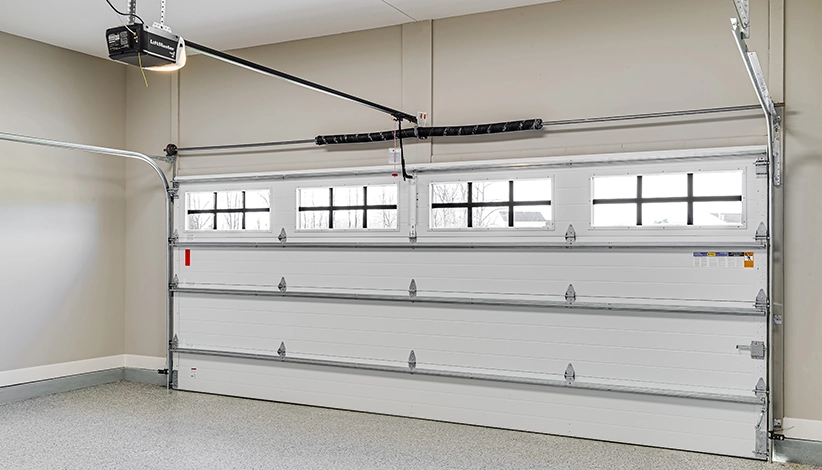
- Cables (where they run through pulleys)
- Pulleys and bearings
- Hinges and rollers
For guidance on how often to lubricate, see the garage door cable lubrication frequency guide.
Replace Worn or Damaged Cables
If you notice fraying, rust, or broken strands, it’s best to replace the cables promptly. Damaged cables can snap under tension, posing a safety risk. Replacement kits are available for DIYers, but if you’re unsure, hire a professional to ensure proper installation and tensioning.
Tighten Loose Hardware
Inspect all brackets, bolts, and fasteners along the door and track. Use a wrench or socket set to tighten any loose components. This can significantly reduce rattling and vibration.
Clean Tracks and Remove Debris
Dirt and debris can cause cables to rub and squeak. Clean the tracks with a dry cloth and remove any obstructions. Avoid using water, as excess moisture can lead to rust.
Check and Adjust Alignment
If the cables or pulleys appear misaligned, adjust them so that the cables run straight and pulleys rotate freely. Misalignment can cause cables to rub against metal edges, creating persistent noise.
When to Seek Professional Help
While many cable noises can be resolved with basic maintenance, some situations require expert attention:
- Severely frayed or broken cables
- Unusual grinding or banging sounds that persist after lubrication
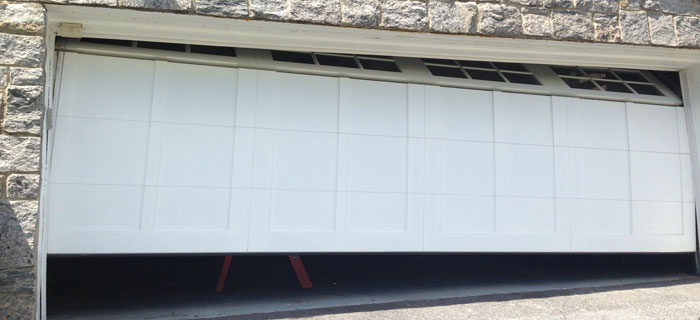
- Visible misalignment or sagging of the door
- Repeated cable derailment or slippage
Attempting complex repairs without proper tools or experience can be dangerous. If you’re unsure, contact a qualified garage door technician for a thorough inspection and repair.
Preventing Future Cable Issues
Routine care is key to keeping your garage door system quiet and reliable. Here are some ongoing maintenance tips:
- Lubricate cables, pulleys, and hinges every six months or as recommended by the manufacturer.
- Inspect cables for wear and replace them at the first sign of damage.
- Keep tracks and moving parts clean and free of debris.
- Check hardware for tightness during seasonal maintenance.
- Consider upgrading to modern cable systems for improved durability and noise reduction. Learn more in the garage door cable system upgrade guide.
For those in humid or coastal environments, cable corrosion is a common concern. The garage door cable corrosion prevention article provides targeted advice for protecting your cables from rust and extending their lifespan.
Frequently Asked Questions
What is the most common reason for garage door cable noise?
The most frequent cause is a lack of lubrication on the cables and pulleys. Over time, friction increases, leading to squeaks and grinding sounds. Regularly applying a garage door lubricant can prevent this issue.
Is it safe to replace garage door cables myself?
Replacing cables can be hazardous due to the high tension involved. If you have experience with garage door repairs and the right tools, you may attempt it, but most homeowners should hire a professional to avoid injury or improper installation.
How often should I lubricate my garage door cables?
It’s recommended to lubricate cables and other moving parts every six months or more frequently if your garage is exposed to dust, moisture, or heavy use. Always use a lubricant designed for garage doors.
Can noisy cables damage my garage door system?
Persistent noise can indicate underlying problems such as misalignment or worn parts. Ignoring these sounds may lead to further damage and more expensive repairs down the line.
What should I do if noise persists after maintenance?
If you’ve lubricated, cleaned, and tightened all components but the noise continues, consult a professional. There may be a deeper issue with the cables, pulleys, or door alignment that requires expert attention.