


If your garage door suddenly won’t open or close properly, a common culprit is a garage door cable off drum. This issue can leave your door stuck, uneven, or even dangerously unstable. Understanding why this happens and how to address it safely can help restore smooth operation and prevent further damage. In this guide, you’ll learn the causes, step-by-step repair process, and essential safety tips for handling a cable that’s come off the drum.
Before diving into the repair, it’s important to note that working with garage door cables and springs can be hazardous. If you’re unsure or uncomfortable with any step, consider consulting a professional or reviewing a garage door cable professional guide for expert advice and technical details.
Understanding Why Garage Door Cables Come Off the Drum
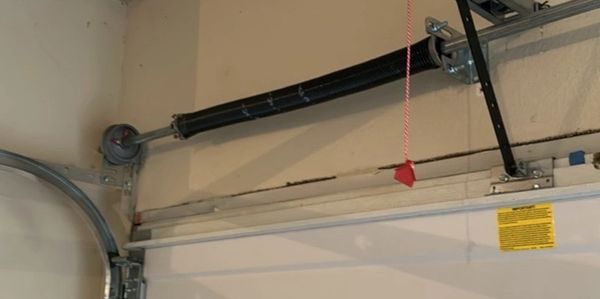
When a cable slips off its drum, it disrupts the balance and movement of your garage door. The drum is a grooved wheel mounted above the door that winds and unwinds the cable as the door opens and closes. If the cable jumps out of the groove, the door may become crooked, jammed, or even fall off its tracks.
Common reasons for this problem include:
- Broken or weak springs that fail to keep tension on the cables
- Obstructions in the door’s path, causing uneven movement
- Improper installation or worn-out hardware
- Loose set screws on the drum or shaft
- Rust, fraying, or damage to the cable itself
Addressing the root cause is crucial to prevent recurrence after you rewind the cable.
Signs Your Garage Door Cable Has Slipped Off
Recognizing the symptoms early can help you avoid more extensive repairs. Look for these warning signs:
- The door is uneven or crooked when opening or closing
- You hear a loud bang or snap from the spring or cable area
- The door won’t move, or only one side lifts
- Visible slack or a loose cable hanging near the drum
If you notice any of these issues, stop using the door immediately to avoid further damage or injury.
Step-by-Step Guide: Rewinding and Fixing a Cable Off the Drum
Fixing a cable that’s come off the drum requires patience and attention to detail. Here’s a practical approach for most standard residential garage doors:
-
Disconnect Power and Secure the Door
Unplug the garage door opener to prevent accidental activation. If possible, have a helper hold the door steady or use locking pliers to secure the track and keep the door from moving.
-
Release Tension Safely
For torsion spring systems, use winding bars to carefully unwind the spring tension. This step is critical for safety. If you’re unsure, consult a professional or refer to a garage door cable replacement checklist for detailed instructions.
-
Inspect the Cable and Drum
Check for fraying, rust, or damage on the cable. Inspect the drum for wear or debris. Replace any worn components before proceeding.
-
Rewind the Cable onto the Drum
Thread the cable back into the drum’s groove, ensuring it sits flat and tight. Rotate the drum by hand to wind the cable evenly. Make sure the cable is taut but not overly tight.
-
Tighten Set Screws and Reapply Tension
Secure the drum’s set screws to the shaft. Carefully rewind the torsion spring using winding bars, restoring the correct tension. Double-check that both sides have equal tension and the cables are properly aligned.
-
Test the Door
Remove any locking pliers or clamps. Reconnect the opener and test the door’s movement. It should open and close smoothly, with both sides moving evenly. Listen for unusual noises and observe for any slack in the cables.
Safety Tips for Handling Garage Door Cables
Working with garage door springs and cables can be dangerous due to the high tension involved. Keep these safety precautions in mind:
- Always use proper tools, such as winding bars and locking pliers
- Wear gloves and safety glasses to protect against sharp edges and debris
- Never attempt to adjust or rewind torsion springs without experience
- If you’re unsure, hire a professional technician to avoid injury
For more in-depth safety information and maintenance tips, review garage door cable prevention tips to help avoid costly breakdowns in the future.

Preventing Future Cable Issues
Once you’ve resolved the immediate problem, ongoing maintenance can help keep your garage door operating smoothly. Here are some practical tips:
- Lubricate moving parts, including cables and drums, every few months
- Check for signs of wear or rust and replace components as needed
- Test the door’s balance regularly by disconnecting the opener and lifting the door manually
- Ensure the tracks are free of debris and properly aligned
- Schedule professional inspections annually, especially for older doors
Consider upgrading your system for added reliability. Learn more about modern options in this garage door cable system upgrade resource.
When to Call a Professional
While many homeowners can handle minor cable adjustments, certain situations require expert help. Contact a qualified technician if:
- The cable is severely frayed or broken
- The torsion spring is damaged or broken
- You’re unable to restore proper tension or alignment
- You feel unsafe performing any step
Professional service ensures the repair is done safely and correctly, minimizing the risk of injury or further damage.
Additional Resources
For more detailed technical advice, troubleshooting, and maintenance strategies, explore the garage door cable efficiency guide. If you’re interested in learning about different cable types and their uses, check out this comprehensive overview of garage door cable varieties.
Frequently Asked Questions
Can I fix a garage door cable that’s come off the drum myself?
Many homeowners can address a cable that’s slipped off the drum if they have basic tools and follow safety precautions. However, if the springs are under tension or you’re unsure about any step, it’s best to call a professional to avoid injury.
What causes garage door cables to come off the drum?
Common causes include broken springs, obstructions in the door’s path, loose set screws, worn-out hardware, and improper installation. Regular maintenance and inspections can help prevent this issue.
How much does it cost to repair a garage door cable issue?
The cost varies depending on the extent of the damage and whether professional service is required. Simple rewinding may only require time and basic tools, while replacing cables or springs can range from $100 to $300 or more for professional repairs.
How can I prevent garage door cable problems in the future?
Routine lubrication, regular inspections, keeping tracks clear, and scheduling annual professional maintenance are the best ways to prevent cable issues. Upgrading to modern cable systems can also improve reliability.
