Garage doors are a key entry point to most homes, and their safe operation is essential for protecting both property and loved ones. One of the most critical yet overlooked components is the garage door cable. These cables bear the weight of the door, helping it open and close smoothly. If they fail, the door can become a serious hazard. Understanding the basics of garage door cable safety tips can help prevent accidents, costly repairs, and unexpected downtime.
This guide covers essential practices for maintaining and inspecting your garage door cables, recognizing warning signs, and knowing when to call a professional. By following these recommendations, you can extend the life of your garage door system and keep your household safe.
For a deeper technical understanding of cable types, installation, and troubleshooting, you may find the garage door cable professional guide especially helpful. It offers expert insights into cable specs and advanced maintenance.
Why Garage Door Cable Maintenance Matters
Garage door cables are under constant tension and bear significant loads every time the door operates. Over time, wear and tear can cause fraying, corrosion, or even sudden breakage. When a cable snaps, the door may drop unexpectedly or become stuck, posing risks to anyone nearby and potentially damaging vehicles or belongings.
Regular attention to these cables is not just about convenience—it’s about preventing injuries and avoiding expensive emergency repairs. A proactive approach ensures your garage door remains a safe and reliable part of your home.
Key Garage Door Cable Safety Tips for Homeowners
Staying safe around garage doors involves more than just pressing the remote. Here are some practical garage door cable safety tips every homeowner should know:
- Inspect cables regularly: Look for visible signs of wear, such as fraying, rust, or kinks. If you notice any of these, avoid using the door until repairs are made.
- Listen for unusual noises: Squeaking, grinding, or popping sounds can indicate cable tension issues or misalignment.
- Test door balance: Disconnect the opener and manually lift the door. If it feels heavy or doesn’t stay open, the cables or springs may be compromised.
- Keep cables clean and lubricated: Dust and debris can accelerate wear. Use a dry cloth to wipe cables and apply a light, garage-door-specific lubricant as recommended by the manufacturer.
- Never attempt DIY cable repairs: Garage door cables operate under high tension. Attempting to adjust or replace them without proper tools and training can result in serious injury. Always call a professional for repairs or replacements.
For more on preventing breakdowns before they start, check out these garage door cable prevention tips that focus on early detection and routine care.

Common Warning Signs of Cable Problems
Recognizing early symptoms of cable trouble can help you address issues before they escalate. Here are some red flags to watch for:
- Visible fraying or broken strands: Even a few damaged wires can weaken the cable’s integrity.
- Rust or corrosion: Moisture and chemicals can eat away at cables, making them brittle.
- Slack or loose cables: Cables should always be taut. If you see sagging, the system may be out of balance or a cable may be unraveling.
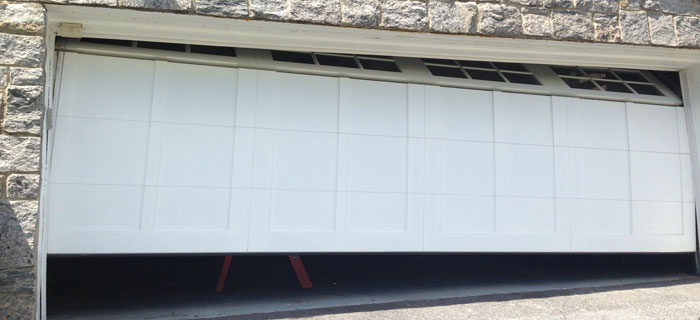
- Door movement issues: If the door jerks, tilts, or doesn’t open evenly, cable tension may be uneven or a cable could be failing.
If you spot any of these issues, stop using the door and contact a qualified technician. For guidance on preventing corrosion, refer to this garage door cable corrosion prevention resource for best practices and protective measures.
How to Safely Inspect Garage Door Cables
While some maintenance tasks are best left to professionals, homeowners can perform basic visual checks to spot potential hazards. Here’s how to conduct a safe inspection:
- Disconnect the opener: Unplug the automatic opener or use the manual release to ensure the door won’t move unexpectedly.
- Check both sides: Examine cables on both sides of the door for uniform tension and condition.
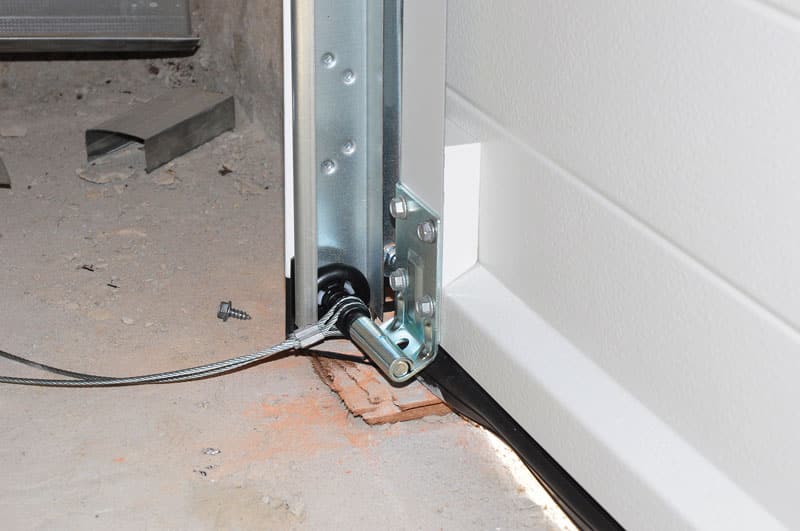
- Look for wear points: Pay attention to areas where cables wrap around pulleys or drums, as these spots are prone to fraying.
- Do not touch under tension: Avoid pulling or handling cables directly, as they can snap back if compromised.
If you’re unsure about what you see, consult a professional or reference the garage door cable system upgrade guide for details on modern cable systems and when upgrades are advisable.

When to Call a Professional for Cable Repairs
While routine checks are safe for most homeowners, actual cable repairs or replacements should always be handled by trained technicians. Garage door cables are under extreme tension, and improper handling can cause severe injury. Call a professional if you notice:
- Broken, frayed, or rusted cables
- Slack or uneven cable tension
- Unusual noises or jerky door movement
- Any sign of the door coming off its tracks
Attempting to fix these issues without the right tools and expertise can make the problem worse or create new hazards. For more on the mechanics behind these systems, see this detailed explanation of how garage door cables work.
Best Practices for Ongoing Garage Door Cable Safety
To keep your garage door system in top shape, adopt these ongoing habits:
- Schedule annual professional inspections: A technician can spot hidden problems and perform safe adjustments.
- Lubricate moving parts: Apply lubricant to cables, pulleys, and springs as recommended. For guidance on timing, check the garage door cable lubrication frequency guide.
- Keep the area clear: Avoid storing items near cables or tracks to prevent interference and accidental damage.
- Educate family members: Teach everyone in your household about the dangers of tampering with garage door components.
Consistent care and attention to these details will help you avoid emergencies and extend the lifespan of your garage door system.
FAQ: Garage Door Cable Safety
How often should I inspect my garage door cables?
It’s wise to visually inspect your garage door cables at least once every three months. Look for signs of fraying, rust, or slackness. Annual professional inspections are also recommended for a thorough checkup.
Can I replace garage door cables myself?
Replacing garage door cables is not a DIY task. The cables are under high tension and can cause serious injury if handled improperly. Always hire a qualified technician for repairs or replacements.
What should I do if my garage door cable snaps?
If a cable breaks, stop using the door immediately and keep people and pets away from the area. Do not attempt to open or close the door. Contact a professional technician to assess and repair the system safely.
How can I prevent garage door cable corrosion?
Keep cables clean and dry, and apply a suitable lubricant periodically. Avoid exposing the garage to excessive moisture or chemicals. For more detailed prevention strategies, refer to the corrosion prevention guide linked above.
By following these garage door cable safety tips and knowing when to seek expert help, you can ensure your garage door remains a safe, reliable part of your home for years to come.