A noisy garage door can be more than just an annoyance—it can signal underlying issues that may lead to bigger problems if left unchecked. One of the most common culprits is garage door cable squeaking. This high-pitched noise often occurs when cables or pulleys lack proper lubrication, or when dirt and debris have built up over time. Addressing these sounds early can help prevent costly repairs and keep your garage door operating smoothly.
In this article, you’ll learn why cables squeak, how to identify the source of the noise, and step-by-step solutions for lubricating your garage door system. We’ll also cover when it’s time to consider professional help and share tips for ongoing maintenance. For more details on related issues, you can check out our garage door cable common problems guide.

Understanding Why Garage Door Cables Squeak
Squeaking noises from your garage door cables are usually a sign of friction between metal components. Over time, the cables, pulleys, and other moving parts can dry out or accumulate grime, resulting in unpleasant sounds whenever the door is operated. Regular use, exposure to moisture, and temperature fluctuations can all contribute to this issue.
It’s important to distinguish between harmless squeaks and noises that indicate a more serious problem. Persistent or very loud squeaking could point to worn-out cables, misaligned pulleys, or even fraying wires. If left untreated, these issues may lead to cable failure or damage to the door’s lifting mechanism.
Common Causes of Squeaky Garage Door Cables
There are several reasons why your garage door might start making squeaking noises:
- Lack of Lubrication: The most frequent cause is simply that the cables and pulleys have dried out and need to be lubricated.
- Dirt and Debris: Dust, cobwebs, and other debris can build up on the cables and pulleys, increasing friction and noise.
- Worn or Damaged Components: Over time, cables can fray or pulleys can wear out, leading to increased noise and potential safety hazards.
- Improper Installation: If the cables or pulleys are misaligned, they may rub against other parts, causing squeaks.
For a deeper dive into how these cables work and their importance, you may find this detailed explanation of garage door cable function helpful.
How to Identify the Source of the Squeak
Before applying any fixes, it’s crucial to pinpoint where the squeak is coming from. Here’s how you can do this safely:
- Open and close your garage door while listening carefully to the noise. Try to determine if it’s coming from the sides, the top, or near the springs.
- Visually inspect the cables, pulleys, and springs for signs of wear, rust, or fraying.
- If possible, have someone operate the door while you observe the moving parts up close (but keep hands and clothing clear of all mechanisms).
If you notice any visible damage or if the cables look worn, it’s best to consult a professional before proceeding with lubrication.
Step-by-Step Lubrication Guide for Squeaky Cables
Lubricating your garage door cables and pulleys is a straightforward process that can be done with basic tools and supplies. Here’s how to tackle the job safely:
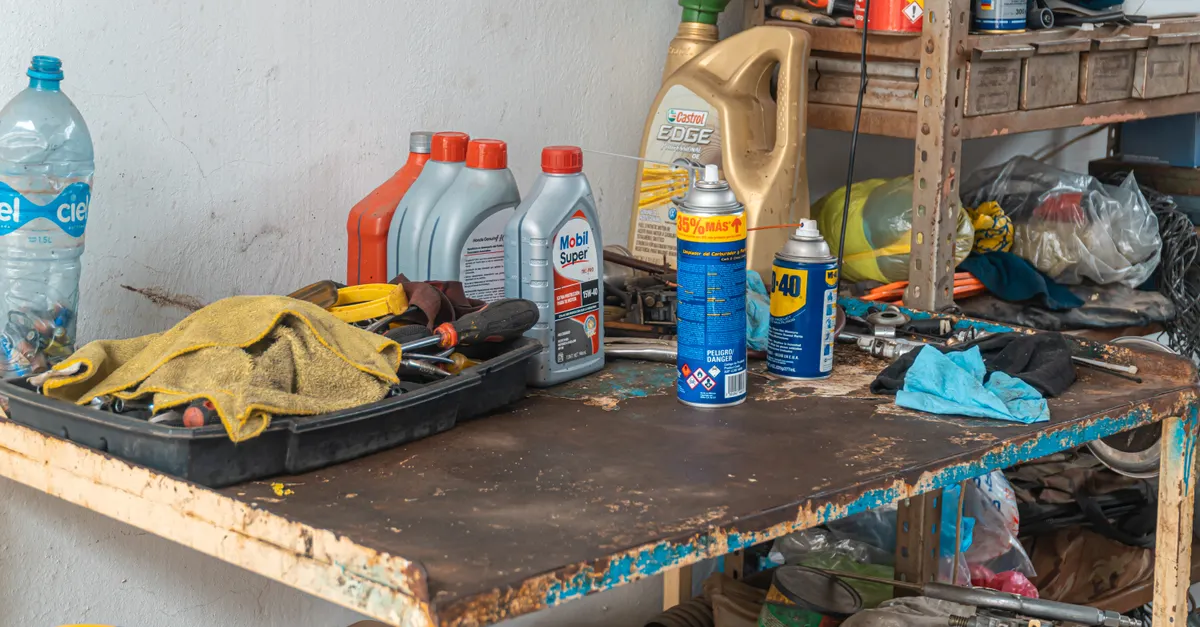
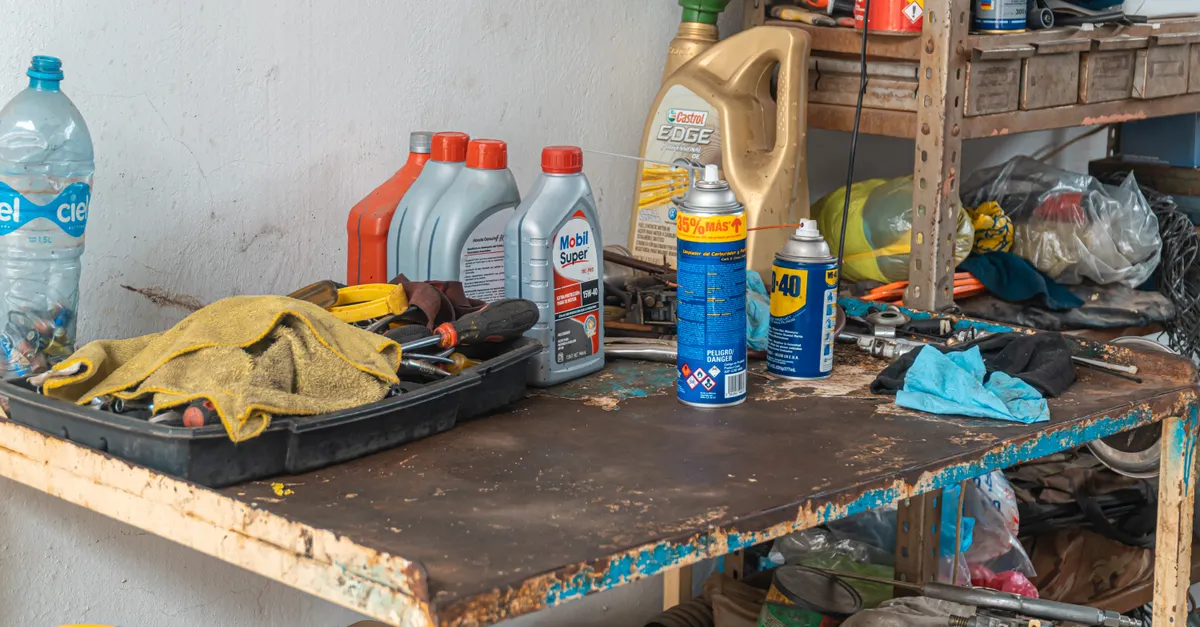
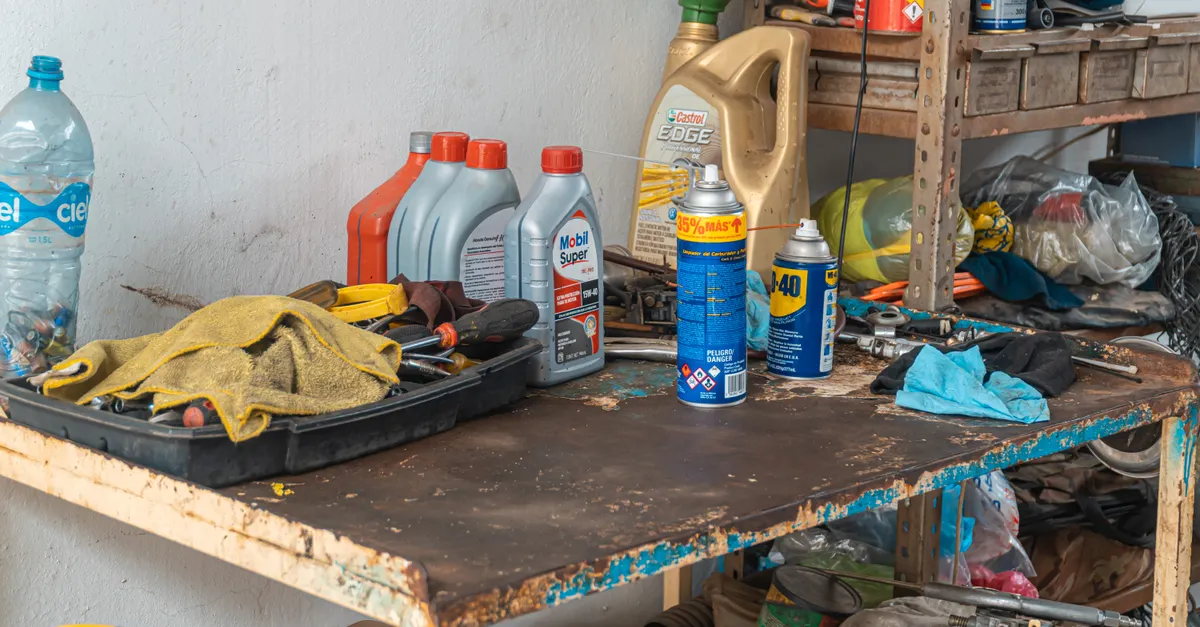
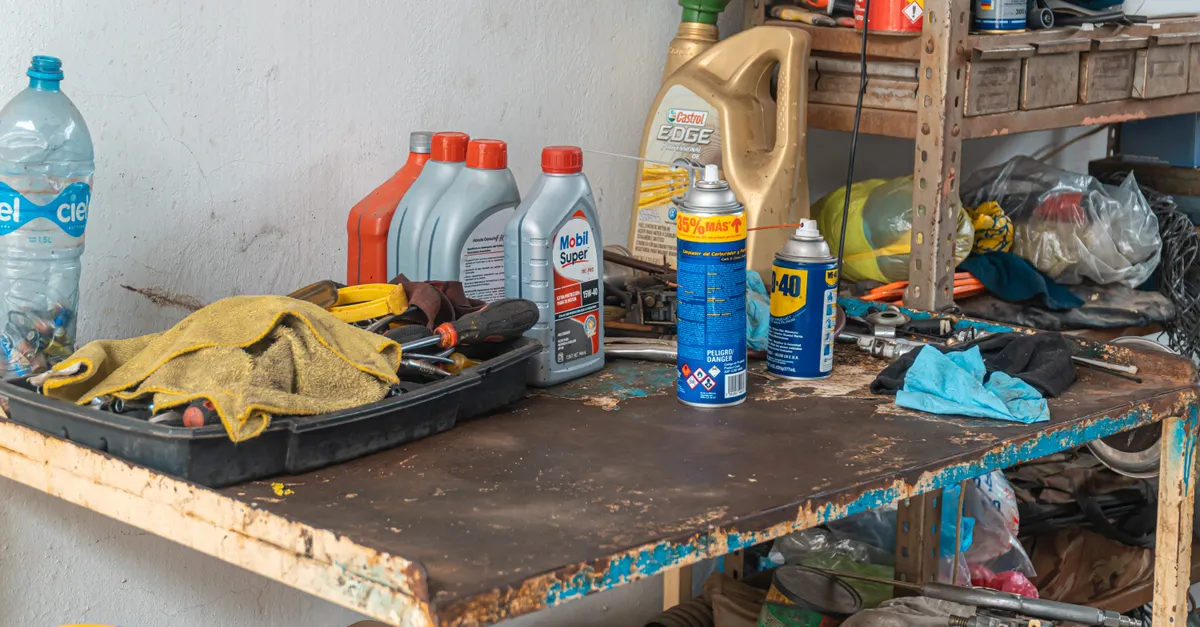
- Gather Supplies: You’ll need a silicone-based or lithium-based garage door lubricant (avoid WD-40, as it’s a cleaner, not a lubricant), a clean rag, and safety gloves.
- Disconnect Power: For safety, unplug the garage door opener or switch off the circuit breaker.
- Clean the Area: Wipe down cables and pulleys with a dry rag to remove dust and debris.
- Apply Lubricant: Spray or apply lubricant directly onto the cables, pulleys, and any moving metal parts. Avoid getting lubricant on the tracks, as this can attract more dirt.
- Operate the Door: Open and close the door several times to distribute the lubricant evenly.
- Inspect Again: Listen for any remaining squeaks. If the noise persists, check for signs of wear or misalignment.
For more advanced troubleshooting and technical advice, our garage door cable professional guide offers in-depth tips and specifications.
When to Replace Garage Door Cables
While lubrication resolves most squeaking issues, sometimes the problem is due to worn or damaged cables. If you notice fraying, rust, or visible damage, replacement is the safest option. Continuing to use a garage door with compromised cables can lead to sudden failure and potential injury.
Replacement should be done by a professional, as garage door cables are under high tension and can be dangerous to handle without proper tools and experience. For a checklist of what’s involved in cable replacement, see our garage door cable replacement checklist.

Preventing Future Squeaks and Ensuring Smooth Operation
Routine maintenance is the best way to keep your garage door running quietly and efficiently. Here are a few tips to prevent squeaks from returning:
- Lubricate all moving parts—including cables, pulleys, and hinges—every six months.
- Keep the garage area clean and free of excessive dust or debris.
- Inspect cables regularly for signs of wear or rust.
- Address minor noises promptly to avoid bigger problems down the road.
For more strategies to avoid breakdowns, visit our garage door cable prevention tips resource.
Benefits of Addressing Cable Noises Promptly
Taking care of squeaky cables not only improves your garage door’s performance but also extends its lifespan. Quiet operation is a sign that all components are working as they should, reducing the risk of sudden failures or costly repairs. Regular lubrication and inspection can also help maintain garage door cable efficiency, ensuring smooth and effortless lifting every time.
Frequently Asked Questions
What lubricant should I use for garage door cables?
Use a silicone-based or lithium-based lubricant specifically designed for garage doors. Avoid using WD-40, as it is primarily a cleaner and not suitable for long-term lubrication.
How often should I lubricate my garage door cables?
It’s best to lubricate cables and other moving parts every six months, or whenever you start to hear squeaking or notice increased friction.
Is it safe to replace garage door cables myself?
Replacing garage door cables can be dangerous due to the high tension involved. It’s strongly recommended to hire a professional for cable replacement to avoid injury or further damage to your garage door system.