A garage door that stops or gets stuck halfway can be frustrating and even a safety risk for homeowners. Understanding the right steps to take—and what to avoid—can help you address this issue efficiently and prevent further damage. This guide covers the essential garage door halfway do’s and don’ts, practical troubleshooting tips, and important safety considerations, so you can keep your garage door operating smoothly.
Before diving into the details, it’s important to note that garage door issues can sometimes be related to sensor alignment, wiring, or even the mounting surface. For example, if you’re dealing with sensor problems, you may find it helpful to review how to fix garage door sensor mounting on metal studs for additional troubleshooting steps.

Common Reasons a Garage Door Stops Midway
When your garage door halts partway, several factors could be at play. Identifying the root cause is the first step toward a safe and effective solution. Here are some of the most frequent culprits:
- Obstructions: Objects or debris on the tracks can block the door’s movement.
- Sensor Misalignment: Safety sensors may be dirty, misaligned, or blocked.
- Track Issues: Bent or damaged tracks can prevent smooth operation.
- Spring or Cable Problems: Worn or broken springs and cables often cause uneven lifting.
- Opener Settings: Incorrect force or travel limit settings may stop the door prematurely.
- Lack of Lubrication: Dry rollers, hinges, or tracks can cause the door to stick.
For a deeper dive into why your garage door might stop halfway, check out this comprehensive troubleshooting guide from Balanced Garage Doors.
Essential Do’s for Garage Door Halfway Issues
Knowing what actions to take when your garage door won’t open or close fully can make a big difference. Here are the most important steps to follow:
1. Inspect for Visible Obstructions
Carefully check the tracks and surrounding area for any objects, dirt, or debris. Even small items can interfere with the door’s movement.
2. Check and Clean the Safety Sensors
Sensors near the base of the door can become dirty or misaligned. Gently wipe the lenses with a soft cloth and ensure they are facing each other. If the sensors are mounted on metal, you might want to review tips for mounting sensors on metal studs to ensure proper installation.
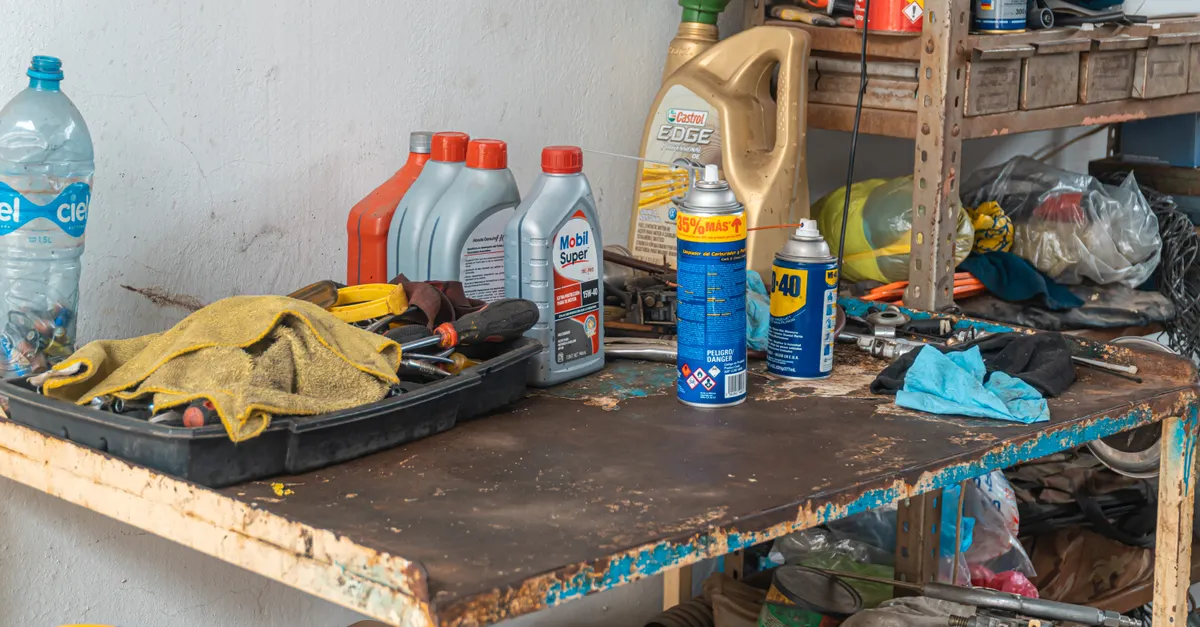
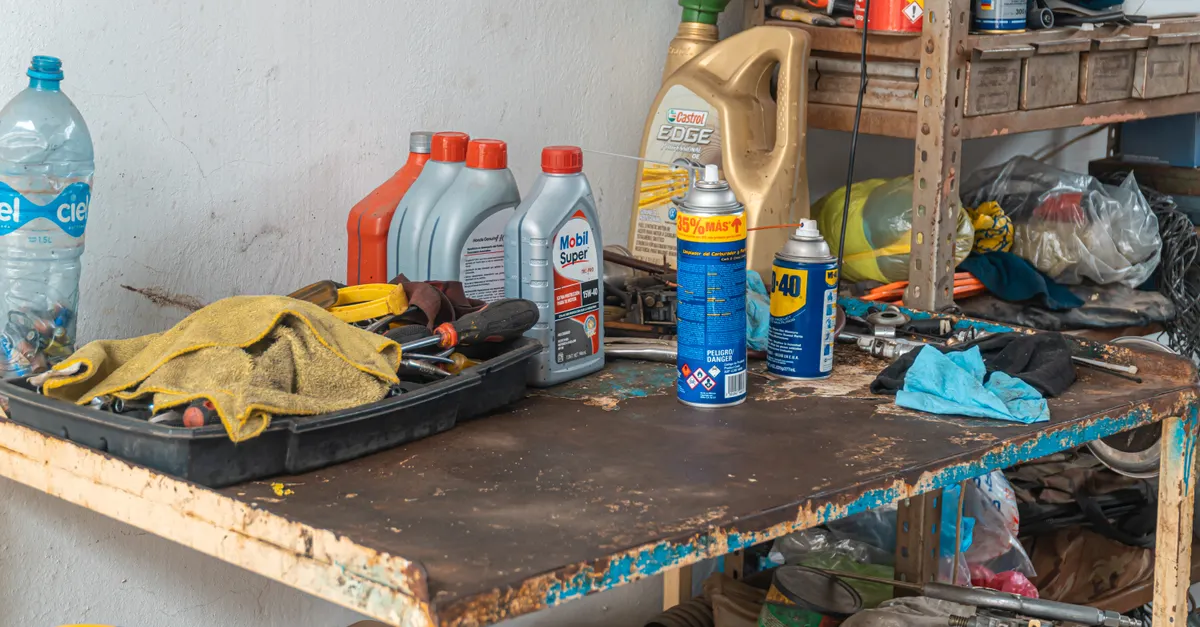
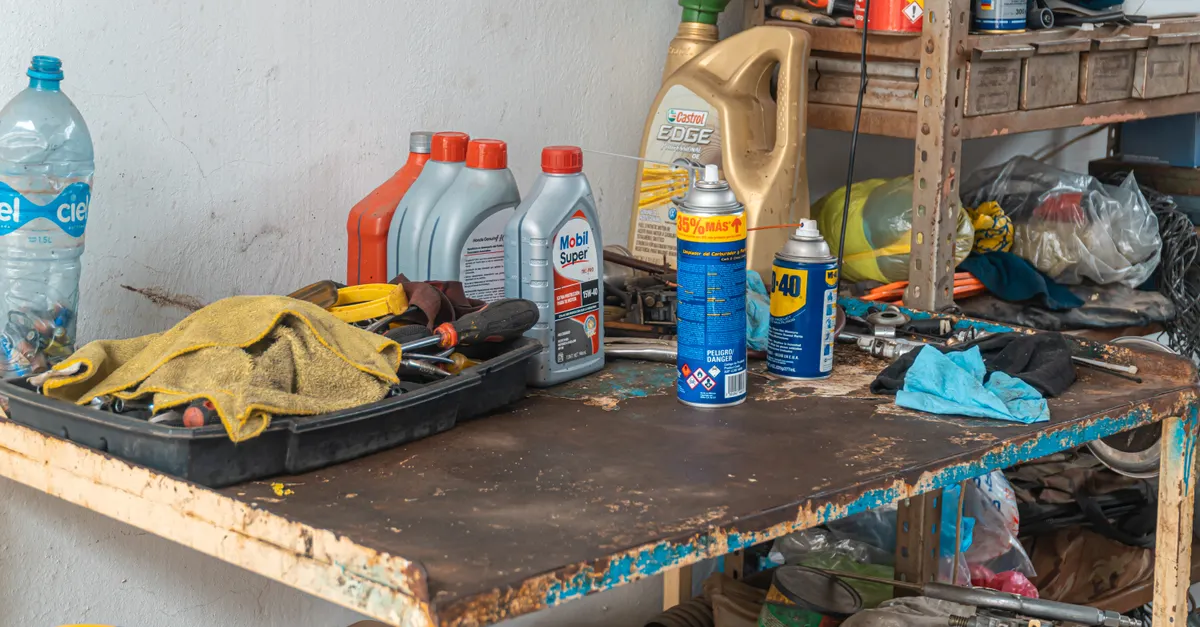
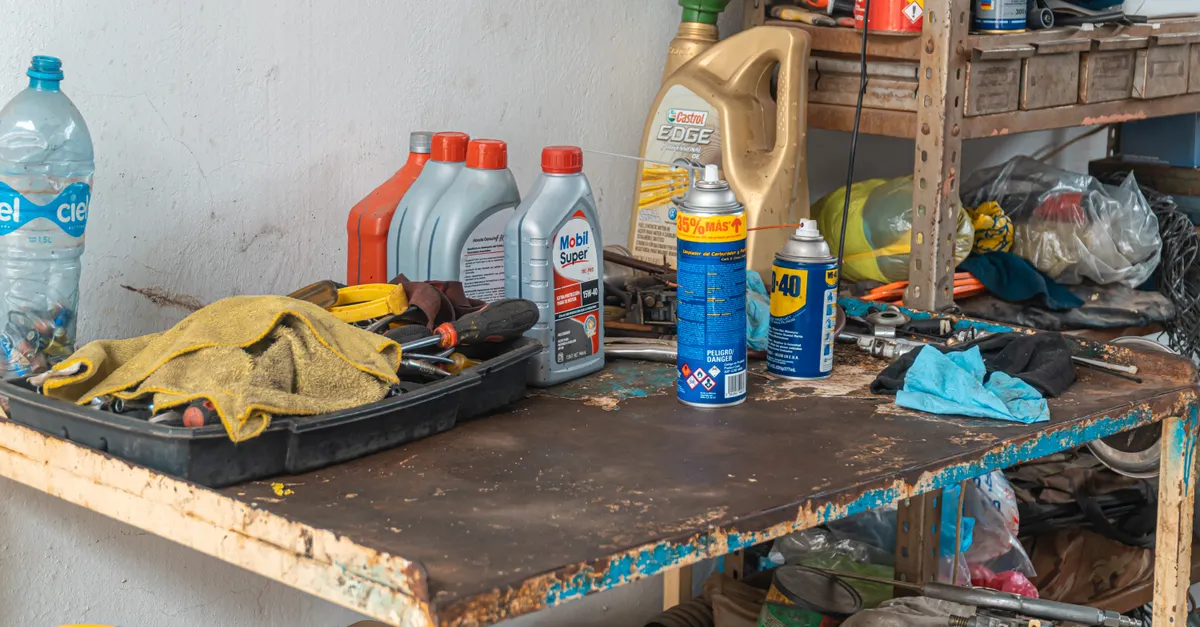
3. Lubricate Moving Parts
Apply a garage door lubricant spray to rollers, hinges, and tracks. This reduces friction and helps the door move smoothly.
4. Test the Door Manually
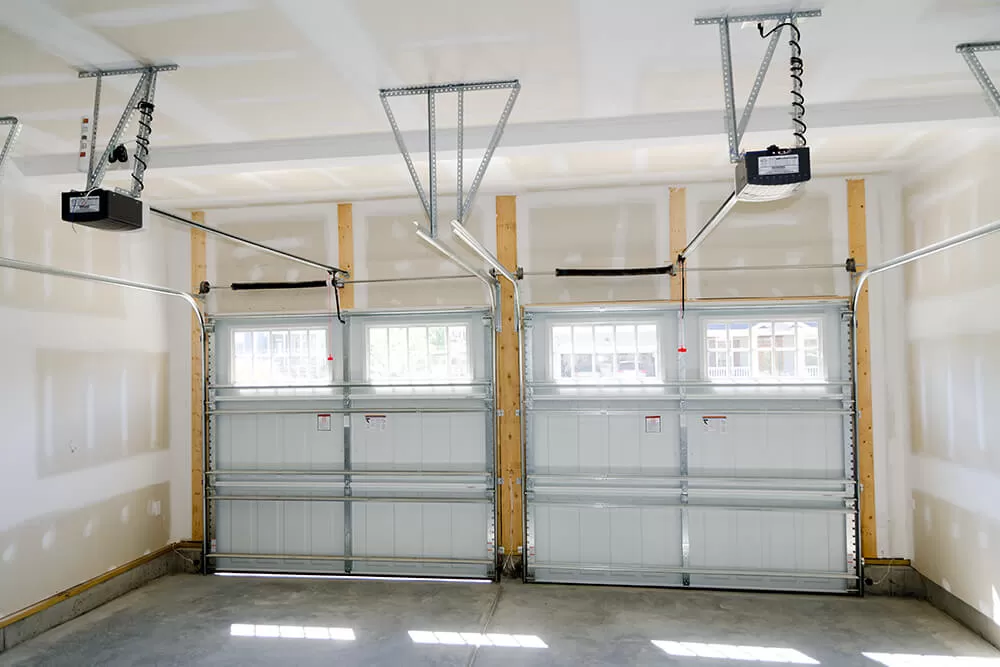
Disconnect the opener by pulling the emergency release cord. Try lifting the door by hand. If it moves smoothly, the issue may be with the opener. If not, the problem could be mechanical.
5. Adjust Opener Settings
Modern openers have force and travel limit settings. Consult your opener’s manual to adjust these if the door isn’t opening or closing fully.
Critical Don’ts When Dealing With a Stuck Garage Door
Some actions can make the problem worse or put your safety at risk. Here’s what to avoid:
- Don’t Force the Door: Pushing or pulling a jammed door can damage tracks, panels, or the opener.
- Don’t Ignore Unusual Noises: Grinding, scraping, or popping sounds often signal mechanical issues that need attention.
- Don’t Tamper With Springs or Cables: These components are under high tension and can cause serious injury if handled improperly.
- Don’t Overlook Regular Maintenance: Skipping routine checks and lubrication can lead to more frequent breakdowns.
- Don’t Bypass Safety Features: Never disable sensors or safety mechanisms to get the door moving.
When to Call a Professional
While many minor issues can be resolved with basic troubleshooting, some situations require expert help:
- The door is off its tracks or visibly damaged.
- Springs or cables appear broken or loose.
- The opener emits burning smells or won’t respond at all.
- Repeated sensor errors persist after cleaning and alignment.
Professional technicians have the tools and expertise to safely repair complex issues and ensure your garage door operates reliably.
Preventive Maintenance Tips
Regular care can help you avoid many common garage door problems. Here are some maintenance practices to keep your system in top shape:
- Inspect tracks, rollers, and hinges monthly for wear or debris.
- Lubricate moving parts every three to six months with a recommended spray.
- Test the door’s balance by disconnecting the opener and lifting it halfway—it should stay in place.
- Check sensor alignment and clean lenses regularly.
- Listen for unusual noises and address them promptly.
If you encounter sensor issues such as blinking lights or humming noises, resources like why is my garage door sensor light blinking twice and how to fix garage door sensor hum or buzz can offer targeted solutions.
Frequently Asked Questions
Why does my garage door stop halfway even after clearing the tracks?
If your garage door continues to halt midway after removing obstructions, the issue could be with sensor alignment, opener settings, or worn mechanical parts. Check the sensors for dirt or misalignment and review the opener’s force and travel limits. If the problem persists, professional inspection may be needed.
Is it safe to fix garage door springs myself?
No, adjusting or replacing garage door springs is dangerous due to the high tension involved. Only trained professionals should handle spring repairs to avoid serious injury.
How often should I lubricate my garage door?
Lubricate all moving parts—rollers, hinges, and tracks—every three to six months. Use a product specifically designed for garage doors for best results.
What should I do if my garage door opener won’t respond?
First, check the power source and remote batteries. If the opener still doesn’t work, inspect the sensors and ensure nothing is blocking the door. Persistent issues may indicate a faulty opener or wiring problem that requires professional service.