Garage door sensors play a crucial role in ensuring the safe and reliable operation of your automatic garage door. When these sensors are misaligned or their pivot points are not properly adjusted, you may experience issues such as limited range, frequent false triggers, or the door refusing to close. Understanding how to fix garage door sensor pivot points can help you restore optimal performance and prevent unnecessary inconvenience or safety risks.
This guide will walk you through the process of diagnosing and correcting pivot point problems, improving sensor alignment, and maximizing the effective range of your garage door safety system. Whether you’re troubleshooting intermittent issues or want to optimize your setup, these practical steps will help you get the most from your sensors.
For those dealing with mounting challenges, you may also find this guide on how to fix garage door sensor mounting on metal studs helpful, especially if your setup involves metal framing or non-standard brackets.
Understanding Sensor Pivot Points and Their Role
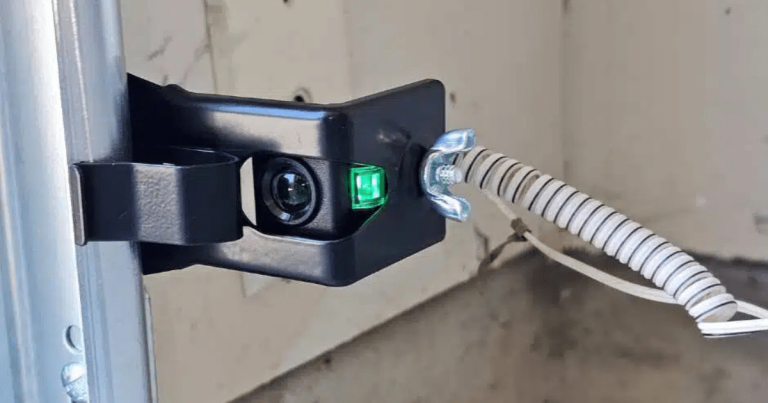
The pivot point on a garage door sensor refers to the spot where the sensor can be adjusted or rotated to fine-tune its aim. Most sensors are attached to a bracket that allows for slight movement up, down, left, or right. This adjustability is essential for aligning the infrared beam between the sending and receiving units, which must be perfectly in line for the system to function correctly.
When the pivot point is loose, corroded, or incorrectly set, the sensor may drift out of alignment. This can cause the garage door to stop unexpectedly, reverse direction, or refuse to close altogether. Addressing pivot point issues is a key part of maintaining your system’s reliability and range.
Common Signs of Pivot Point Problems
- The garage door reverses when closing, even when nothing is in the way.
- Sensor indicator lights are off, blinking, or inconsistent.
- One or both sensors appear loose or wobbly on their brackets.
- The door only works when you hold the wall button down continuously.
If you notice any of these symptoms, it’s time to inspect the pivot points and sensor alignment.
Step-by-Step Guide: Adjusting and Securing Sensor Pivot Points
Follow these steps to correct and optimize your garage door sensor’s pivot points for improved range and reliability:
-
Power Down the Opener
For safety, unplug your garage door opener or switch off the breaker before handling the sensors.
-
Inspect the Sensor Brackets
Check that each sensor is firmly attached to its bracket. If the bracket is bent, corroded, or loose, tighten the mounting screws or replace damaged parts as needed.
-
Check the Pivot Mechanism
Gently try to move each sensor at its pivot point. There should be enough resistance to hold the sensor steady, but not so much that you can’t adjust it. If the pivot is too loose, tighten the adjustment screw or nut. If it’s stuck, apply a small amount of lubricant and work the sensor back and forth to free it.
-
Align the Sensors
Using a level or a straight edge, align both sensors so they are facing each other directly. Most sensors have indicator lights that turn solid when alignment is correct. Adjust the pivot point until the lights remain steady.
-
Test the System
Restore power and test the door. The door should close smoothly without reversing, and the sensor lights should remain solid during operation.
For additional troubleshooting, you can reference this detailed resource on common causes of garage door sensor malfunctions and troubleshooting tips.
Tips for Maximizing Sensor Range and Reliability
- Keep Sensors Clean: Dirt, cobwebs, or debris on the sensor lens can interfere with the infrared beam. Wipe lenses gently with a soft cloth.
- Check for Obstructions: Make sure nothing is blocking the line of sight between the sensors, including stored items or parked vehicles.
- Secure Wiring: Loose or damaged wires can cause intermittent sensor problems. If you suspect wiring issues, see this guide on how to fix garage door sensor wiring using electrical tape.
- Protect from Vibration: If your garage door opener or the mounting surface vibrates excessively, it can cause sensors to drift out of alignment. Add rubber washers or padding to minimize movement.
- Regularly Inspect Pivot Points: Make a habit of checking the tightness and condition of the pivot mechanism every few months, especially after storms or accidental bumps.
When to Replace or Upgrade Your Sensors
If you have followed all the steps above and still experience unreliable operation, it may be time to consider replacing your sensors. Signs that replacement is needed include:
- Physical damage to the sensor housing or lens
- Corrosion or rust at the pivot point or mounting bracket
- Indicator lights that won’t turn on, even after realignment
- Repeated false triggers or failure to detect obstructions
Modern replacement sensors often feature improved pivot mechanisms and better range. When shopping for new units, look for models compatible with your garage door opener and consider those with enhanced weather resistance or built-in alignment aids.
Additional Troubleshooting Resources
If you’re still having trouble after adjusting the pivot points, your issue may be related to other components. For example, a dead transmitter or a blinking sensor light can indicate electrical or signal problems. Unusual noises, such as humming or buzzing, may point to a different underlying issue—see this article on how to fix garage door sensor hum or buzz for more information.
Frequently Asked Questions
What tools do I need to adjust garage door sensor pivot points?
Most adjustments can be made with a standard screwdriver or a small wrench, depending on your sensor’s mounting hardware. A level or straight edge is also helpful for precise alignment.
How often should I check my garage door sensor alignment?
It’s a good idea to inspect sensor alignment and pivot points every three to six months, or after any event that could jostle the sensors, such as a storm or accidental bump.
Can I fix sensor range issues myself, or should I call a professional?
Many sensor alignment and pivot point problems can be fixed by homeowners with basic tools and careful attention. However, if you suspect electrical issues, damaged wiring, or persistent malfunctions, it’s best to consult a qualified technician for safety and proper repair.
Why does my garage door only close when I hold the wall button?
This usually means the safety sensors are not aligned, or there’s an issue with the pivot point or wiring. Adjust the sensors and check all connections to resolve the problem.
By following these steps and tips for how to fix garage door sensor pivot points, you can ensure your garage door operates smoothly, safely, and with the full range intended by the manufacturer. Regular maintenance and prompt attention to alignment issues will help you avoid unnecessary repairs and keep your garage secure.