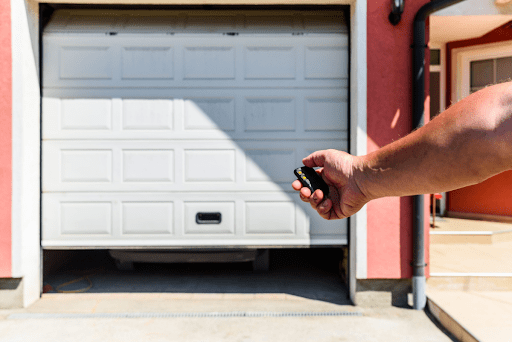
When your garage door suddenly stops and remains stuck halfway, especially during a shift in weather, it can be both inconvenient and concerning. Many homeowners experience issues with their garage doors not opening or closing fully as temperatures fluctuate. This guide explores why temperature changes can affect your garage door’s operation, how to address the problem, and what steps you can take to prevent it from happening again.
Understanding the impact of weather on garage door mechanisms is crucial for maintaining smooth operation year-round. Whether you’re dealing with a door that won’t budge past the halfway mark or you’re noticing inconsistent performance as the seasons change, knowing what causes these issues can help you find effective solutions. For those troubleshooting related concerns, you may also find value in learning how to fix garage door sensor mounting on metal studs, which can be another source of operational hiccups.
Why Garage Doors Get Stuck Midway During Temperature Swings
It’s not uncommon for a garage door halfway due to temperature change to become a seasonal frustration. The main reasons for this phenomenon include:
- Expansion and contraction of metal parts: As temperatures drop, metal tracks, springs, and other components can contract, leading to misalignment or increased friction. Conversely, heat can cause parts to expand, affecting the door’s movement.
- Changes in lubricant viscosity: Lubricants thicken in cold weather, making it harder for moving parts to glide smoothly. In hot weather, lubricants may thin out or evaporate, reducing their effectiveness.
- Sensor misalignment: Temperature shifts can cause brackets or mounting hardware to move slightly, leading to misaligned safety sensors. This can prevent the door from closing or opening fully.
- Electrical issues: Extreme cold or heat can affect wiring and electronic components, potentially causing intermittent operation or failure.
Recognizing these factors is the first step toward diagnosing and fixing the issue.
Common Signs of Weather-Related Garage Door Issues
Before diving into solutions, it’s helpful to identify the symptoms that indicate your garage door is struggling due to temperature changes:
- The door stops or reverses direction at the halfway point.
- Unusual noises, such as grinding or squeaking, especially in cold weather.
- Sluggish or jerky movement when opening or closing.
- Visible gaps or misalignment in the tracks or panels.
- Sensor lights blinking or not illuminating consistently.
If you notice any of these signs, it’s likely that temperature fluctuations are affecting your garage door’s performance.
How to Troubleshoot a Garage Door Stuck Halfway
When your garage door won’t move past the halfway point, a systematic approach can help you pinpoint and resolve the problem. Here are the key steps:
- Inspect the tracks and rollers: Look for debris, rust, or misalignment. Clean the tracks and ensure rollers move freely. If you spot bent tracks, gently realign them with a rubber mallet.
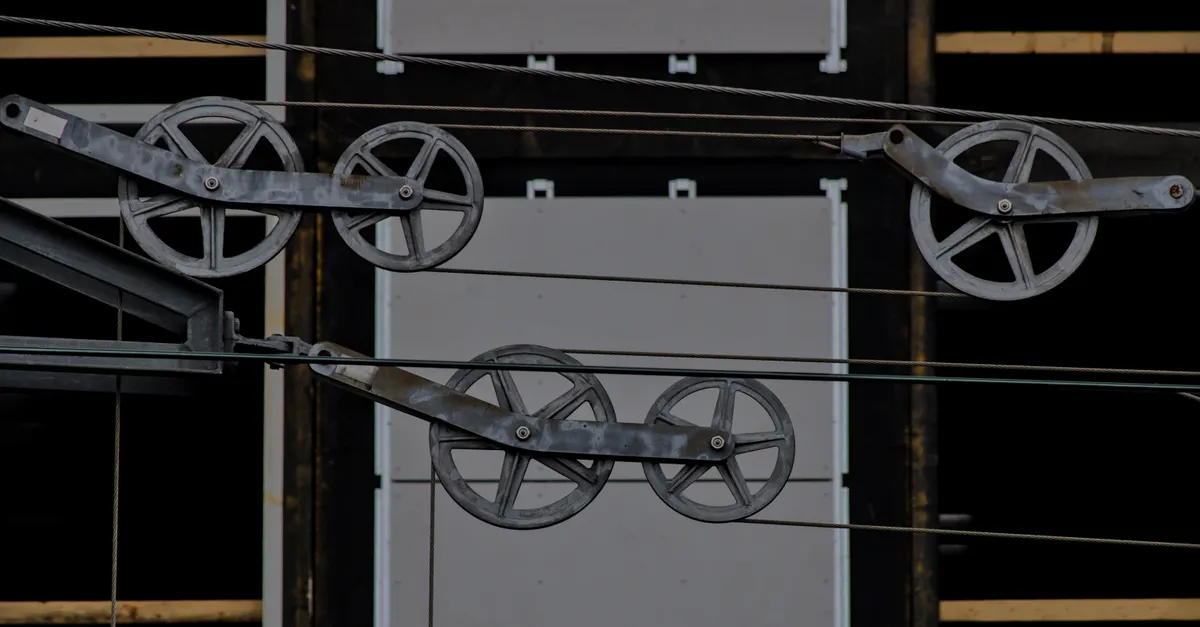
- Check the springs and cables: Springs that are too tight or too loose can cause the door to stop midway. If you’re unsure, consult a professional, as spring adjustments can be dangerous.
- Test the sensors: Make sure the safety sensors are aligned and free from dirt or obstructions. If you suspect temperature-related sensor movement, you may benefit from reading about how to fix garage door sensor from shifting due to temperature.
- Lubricate moving parts: Apply a high-quality garage door lubricant to hinges, rollers, and springs. This helps reduce friction caused by thickened grease in cold weather or dried-out parts in heat.
- Adjust the opener settings: Most openers have force and limit settings. If the door is stopping prematurely, try increasing the force slightly or resetting the open/close limits according to the manufacturer’s instructions.
After performing these checks, test your garage door several times to see if the issue persists. If the problem continues, it may be time to consult a professional technician.
Preventive Maintenance for Seasonal Garage Door Performance
Regular maintenance can help minimize the effects of temperature changes on your garage door. Here’s what you can do:
- Schedule seasonal inspections: Check your garage door system at the start of each season for signs of wear, misalignment, or lubrication issues.
- Keep tracks and rollers clean: Remove dirt and debris regularly to prevent buildup that can cause sticking or uneven movement.
- Use the right lubricant: Choose a lubricant designed for garage doors that performs well in both hot and cold temperatures.
- Monitor sensor alignment: Inspect and adjust sensors periodically, especially after significant temperature swings.
- Update old openers: If your opener is outdated, consider upgrading to a modern, weather-resistant model for improved reliability.
By staying proactive, you can reduce the likelihood of your door getting stuck halfway as the weather changes.
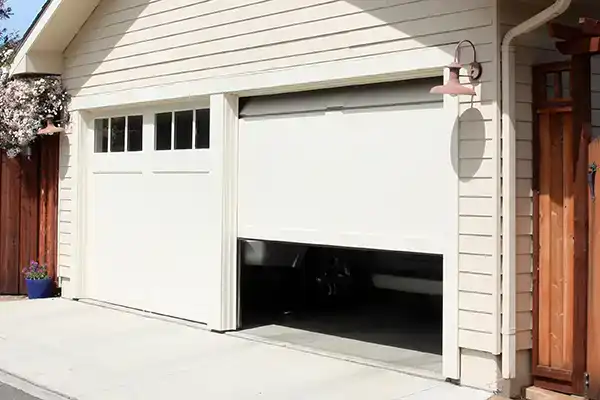
When to Call a Professional for Garage Door Issues
While many temperature-related garage door problems can be addressed with basic troubleshooting, some situations require expert help:
- The door remains stuck despite cleaning, lubricating, and adjusting settings.
- You notice frayed cables, broken springs, or damaged panels.
- The opener makes unusual noises or fails to respond.
- There are electrical issues, such as flickering lights or intermittent power.
Attempting to repair complex mechanical or electrical problems without proper training can be dangerous. If you’re unsure, it’s best to contact a qualified garage door technician.
Additional Resources and Related Topics
For more information on related garage door concerns, you might find these resources helpful:
- Why is my garage door sensor indicator light missing?
- How to fix garage door sensor bracket bending and damage
- Why is my garage door sensor light turning off and on
For a comprehensive overview of why doors stop partway, see this detailed explanation of garage doors stopping halfway from a trusted industry source.
FAQ
Why does my garage door only open or close halfway during temperature changes?
Temperature fluctuations can cause metal components to expand or contract, affecting alignment and creating extra friction. Lubricants may also become less effective in extreme cold or heat, leading to the door stopping midway.
How can I prevent my garage door from getting stuck when the weather changes?
Regular maintenance is key. Clean and lubricate all moving parts, check sensor alignment, and inspect tracks and rollers at the start of each season. Using weather-resistant lubricants and keeping the system free of debris can help maintain smooth operation.
Is it safe to adjust garage door springs or cables myself?
Garage door springs and cables are under high tension and can be dangerous to adjust without proper tools and training. If you suspect a problem with these components, it’s best to call a professional technician for repairs.