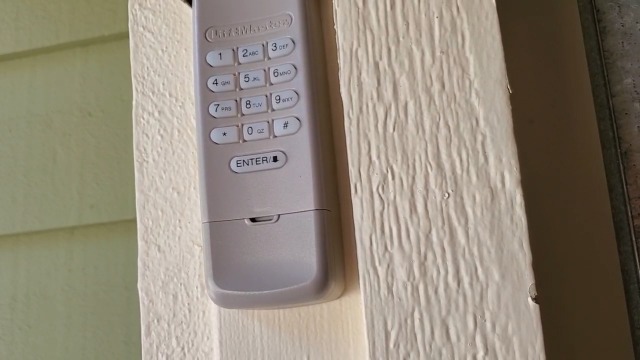
If your garage door keypad suddenly stops working or behaves inconsistently, the culprit is often a simple one: battery problems. Understanding the common causes, symptoms, and solutions for garage door keypad battery issues can save you time, money, and frustration. This guide breaks down the most frequent battery-related troubles, how to spot them, and what you can do to keep your entry system reliable.
Whether you’re troubleshooting a non-responsive keypad or looking to prevent future malfunctions, knowing the basics of battery care is essential. We’ll also cover when it’s time to replace your keypad and how to choose the right accessories for your setup.
For related troubleshooting, you might also find our guide on how to fix garage door sensor mounting on metal studs helpful, especially if you’re dealing with broader garage entry issues.
Recognizing Signs of Garage Door Keypad Battery Problems
The most obvious sign of a battery issue in your garage door keypad is a lack of response when you enter your code. However, not all symptoms are so clear-cut. Here are some common indicators that your keypad’s battery may be failing:
- Intermittent Operation: Sometimes the keypad works, other times it doesn’t.
- Dim or No Backlight: The keypad’s backlight is faint or doesn’t turn on at all.
- Delayed Response: There’s a noticeable lag between entering your code and the door opening.
- Complete Failure: The keypad doesn’t respond, even after multiple attempts.
- Unusual Beeping or Flashing: Some models emit warning beeps or flash when the battery is low.
If you notice any of these issues, it’s a good idea to check the battery before assuming there’s a more serious problem with your opener or wiring.
Common Causes Behind Keypad Battery Malfunctions
Several factors can lead to garage door keypad battery issues. Understanding these can help you prevent future problems:
- Old or Expired Batteries: Most keypads use standard 9V or AA/AAA batteries, which degrade over time.
- Extreme Temperatures: Keypads mounted outdoors are exposed to heat, cold, and humidity, all of which can shorten battery life.
- Poor Battery Contacts: Corrosion or dirt on the battery terminals can prevent proper power flow.
- Frequent Use: Keypads that are used multiple times a day will drain batteries faster.
- Low-Quality Batteries: Off-brand or old stock batteries may not provide consistent voltage.
Regular inspection and timely replacement of batteries can help you avoid most of these pitfalls.
How to Replace Garage Door Keypad Batteries
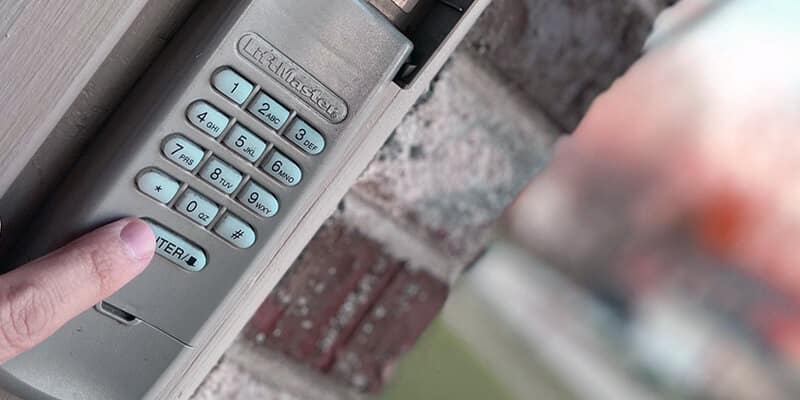
Swapping out the battery in your garage door keypad is a straightforward process. Here’s a step-by-step approach:
- Locate the Battery Compartment: Most keypads have a sliding or hinged cover on the bottom or back. You may need a screwdriver for some models.
- Remove the Old Battery: Carefully disconnect the battery, noting its orientation.
- Clean the Contacts: If you see corrosion or dirt, gently clean the terminals with a dry cloth or a small amount of rubbing alcohol.
- Insert a Fresh Battery: Use a high-quality, brand-name battery of the correct type (usually 9V or AA). Make sure it’s inserted in the correct direction.
- Test the Keypad: Reattach the cover and enter your code to ensure the keypad is working.
If the keypad still doesn’t function after replacing the battery, further troubleshooting may be required. In such cases, reviewing guides like why is my garage door sensor transmitter dead can help you determine if the problem lies elsewhere in your system.
Preventing Future Battery-Related Keypad Failures
Proactive maintenance can extend the life of your garage door keypad and minimize battery-related disruptions. Here are some practical tips:
- Replace Batteries Annually: Even if the keypad seems fine, swapping batteries once a year prevents sudden failures.
- Use High-Quality Batteries: Stick with reputable brands for consistent performance.
- Protect from Weather: If possible, shield the keypad from direct sunlight, rain, and snow.
- Check for Corrosion: Inspect the battery compartment during each change.
- Monitor Performance: If you notice slow response or dim lights, don’t wait—replace the battery promptly.
Following these steps will help you avoid unexpected lockouts and keep your garage access smooth.
When to Replace Your Garage Door Keypad
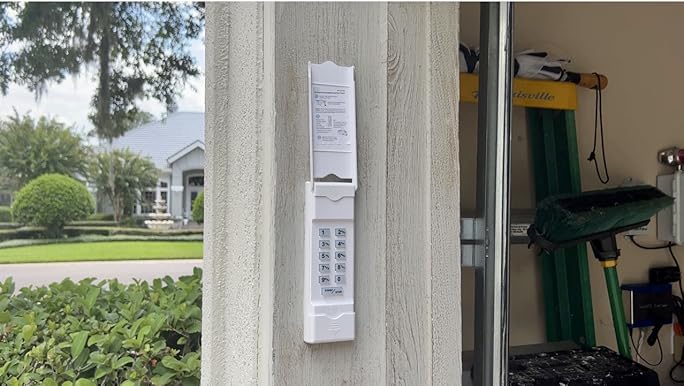
Sometimes, battery replacement isn’t enough. If your keypad continues to malfunction after installing new batteries and cleaning the contacts, it may be time for a new unit. Signs that a replacement is needed include:
- Persistent Unresponsiveness: No reaction even with fresh batteries.
- Physical Damage: Cracks, water intrusion, or worn-out buttons.
- Obsolete Technology: Older keypads may not be compatible with modern garage door openers.
- Frequent Malfunctions: Recurring issues despite proper maintenance.
Upgrading to a new keypad can improve both security and convenience. For recommendations on the latest models, check out this expert review of the best garage door openers for 2025.
Related Troubleshooting and Maintenance Resources
Battery problems are just one aspect of garage door keypad maintenance. For more in-depth troubleshooting, you may also want to explore:
- How to fix garage door sensor wiring using electrical tape
- Why is my garage door sensor light blinking twice
- How to fix garage door sensor hum or buzz
These resources can help you address a range of garage door and opener issues beyond just the keypad.
Frequently Asked Questions
How often should I replace the battery in my garage door keypad?
It’s recommended to change the battery at least once a year, even if the keypad appears to be functioning well. Regular replacement helps prevent unexpected failures.
What type of battery does my garage door keypad use?
Most keypads use a standard 9V battery, but some models require AA or AAA batteries. Always check your keypad’s manual or the battery compartment for the correct type.
Why does my keypad still not work after changing the battery?
If a new battery doesn’t solve the problem, check for corroded contacts, ensure the battery is installed correctly, and verify that the keypad is properly programmed. If these steps don’t help, the keypad itself may be faulty and require replacement.
Can extreme weather affect my garage door keypad’s battery life?
Yes, exposure to very hot, cold, or humid conditions can shorten battery lifespan and cause performance issues. If possible, install your keypad in a sheltered location.