Garage door safety sensors are a critical component in modern automatic garage doors, preventing accidents and property damage by detecting obstacles in the door’s path. If you’re installing or troubleshooting these sensors, one of the most common questions is how high should garage door sensors be mounted for optimal performance and compliance with safety standards. This guide covers the standard mounting height, why it matters, and practical tips for proper installation and adjustment.
Understanding the correct placement of these safety devices not only ensures your garage door operates reliably but also keeps your family and belongings safe. If you’re dealing with issues related to sensor mounting on specific surfaces, such as metal studs, you may find additional help in resources like how to fix garage door sensor mounting on metal studs.
Standard Height for Garage Door Safety Sensors
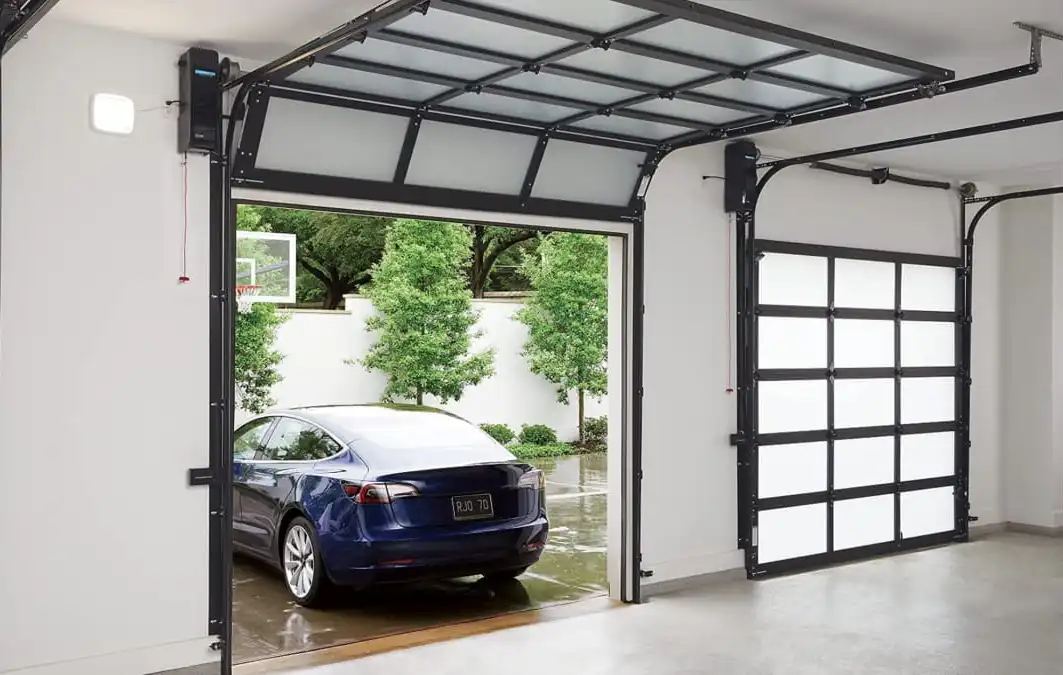
The generally accepted standard for mounting garage door sensors is between 4 to 6 inches above the floor on either side of the door opening. This height is recommended by most manufacturers and aligns with safety regulations, including those outlined by the Underwriters Laboratories (UL 325) and the Consumer Product Safety Commission (CPSC).
Mounting the sensors within this range ensures that the infrared beam can detect small children, pets, or objects that might be in the path of the closing door. Installing sensors too high could allow a child or pet to pass underneath undetected, while setting them too low may expose them to more dust, debris, or water, potentially causing malfunctions.
Why Proper Sensor Height Matters
Correct sensor placement is crucial for several reasons:
- Safety: The main function of these sensors is to prevent the door from closing on people, animals, or objects. Proper height ensures the beam covers the most likely area where someone or something could be in harm’s way.
- Compliance: Many local building codes and federal regulations require sensors to be installed at a specific height to meet safety standards.
- Performance: Sensors that are too low may be prone to false triggers from dirt, leaves, or puddles, while those mounted too high may not detect smaller obstacles.
How to Measure and Install Garage Door Sensors at the Correct Height
To ensure your sensors are mounted at the recommended height, follow these steps:
- Use a tape measure to mark a spot on both sides of the garage door opening, between 4 and 6 inches above the floor.
- Attach the sensor brackets at the marked height, ensuring they are securely fastened to the wall or door track.
- Mount the sensors onto the brackets, making sure they face each other directly and are perfectly aligned.
- Run the wiring along the wall or ceiling, keeping it clear of moving parts and securing it with clips or staples as needed.
- Test the sensors by closing the garage door and waving an object (such as a broomstick) through the beam to ensure the door reverses direction when the beam is interrupted.
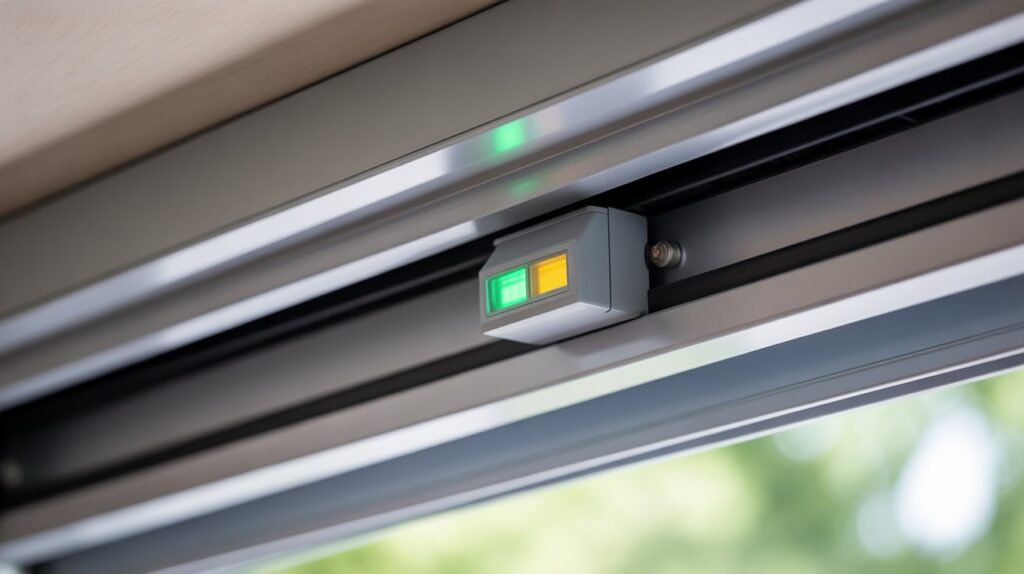
Proper alignment is just as important as height. Misaligned sensors may cause the door to refuse to close or to reverse unexpectedly. If you notice issues with the indicator lights on your sensors, you might want to consult why is my garage door sensor indicator light missing for troubleshooting tips.
Common Problems When Sensors Are Mounted Incorrectly
Improper installation can lead to several issues, including:
- Frequent Door Reversals: If sensors are too low, they may be triggered by dust, leaves, or water, causing the door to reverse unnecessarily.
- Failure to Detect Obstacles: Sensors mounted too high may miss small children or pets, reducing the effectiveness of the safety system.
- Alignment Issues: If the sensors are not facing each other directly, the system may not function, and the garage door may not close properly.
- Physical Damage: Sensors installed at the wrong height may be more susceptible to being bumped or knocked out of alignment.
Temperature changes and physical impacts can also cause sensor brackets to shift or bend. For solutions to these problems, see how to fix garage door sensor from shifting due to temperature and how to fix garage door sensor bracket bending.
Tips for Maintaining Sensor Alignment and Performance
Once your sensors are installed at the correct height, ongoing maintenance will help keep them functioning properly:
- Periodically check that the sensors are still aligned and mounted at the proper height.
- Clean the sensor lenses with a soft, dry cloth to remove dust or cobwebs that could block the beam.
- Inspect the wiring for signs of wear or damage, and secure any loose cables.
- Test the system monthly by interrupting the beam while the door is closing to ensure it reverses as expected.
If you notice the sensor lights turning off and on unexpectedly, it may indicate a wiring or alignment issue. For more details, refer to why is my garage door sensor light turning off and on.
What to Do If Your Sensors Aren’t Working Properly
If your garage door sensors are not functioning as they should, start by checking the following:
- Confirm that both sensors are mounted at the correct height and are facing each other directly.
- Look for any obstructions or dirt on the sensor lenses.
- Check the indicator lights—if one or both are off or blinking, there may be a wiring or alignment problem.
- Ensure the wiring is intact and securely connected to the opener unit.
For more in-depth troubleshooting, you can consult guides such as how to fix garage door sensors for step-by-step instructions.
Frequently Asked Questions
Can I Mount Garage Door Sensors Higher Than 6 Inches?
It is not recommended to mount sensors higher than 6 inches above the floor. Doing so may allow small children, pets, or objects to go undetected, reducing the effectiveness of the safety system and potentially violating safety codes.
What Happens If My Sensors Are Not Aligned Properly?
If the sensors are misaligned, the garage door may not close, or it may reverse immediately after starting to close. Most openers will display a warning light or error code if the sensors are not communicating properly.
Are There Different Height Requirements for Different Garage Door Brands?
Most major garage door opener manufacturers recommend the same 4 to 6 inch mounting height for safety sensors. Always check your specific opener’s manual for any brand-specific instructions, but following the standard guideline will ensure compliance and safety in most cases.
Do Environmental Factors Affect Sensor Performance?
Yes, factors such as direct sunlight, dust, water, or extreme temperatures can affect sensor operation. Regular cleaning and inspection, along with proper mounting height, will help minimize these issues.
Ensuring that your garage door sensors are mounted at the correct height is a simple but vital step in maintaining a safe and reliable garage door system. By following the standard guidelines and performing regular maintenance, you can protect your family, pets, and property from preventable accidents.