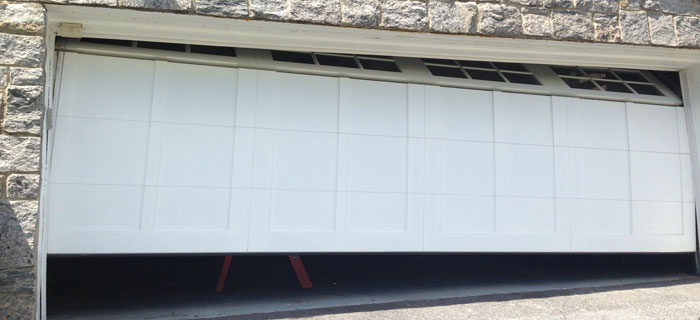
Garage door sensors are designed to keep your home safe by preventing the door from closing on people, pets, or objects. However, some homeowners encounter a puzzling issue: their garage door sensor seems to function properly only after sunset. If you’ve noticed your sensor is unreliable during the day but works fine at night, you’re not alone. This guide explains how to fix garage door sensor that works only at night, covering the most common causes, troubleshooting steps, and practical solutions.
Before diving into repairs, it’s important to understand why this unusual problem occurs. Factors like sunlight interference, wiring issues, sensor alignment, and even mounting surfaces can all play a role. Addressing these factors can restore your garage door’s reliability and safety.
If you’re dealing with a sensor that’s inconsistent, you might also want to check out related issues such as why is my garage door sensor indicator light missing or why is my garage door sensor light turning off and on for further troubleshooting tips.
Understanding Why Sensors Fail During Daylight
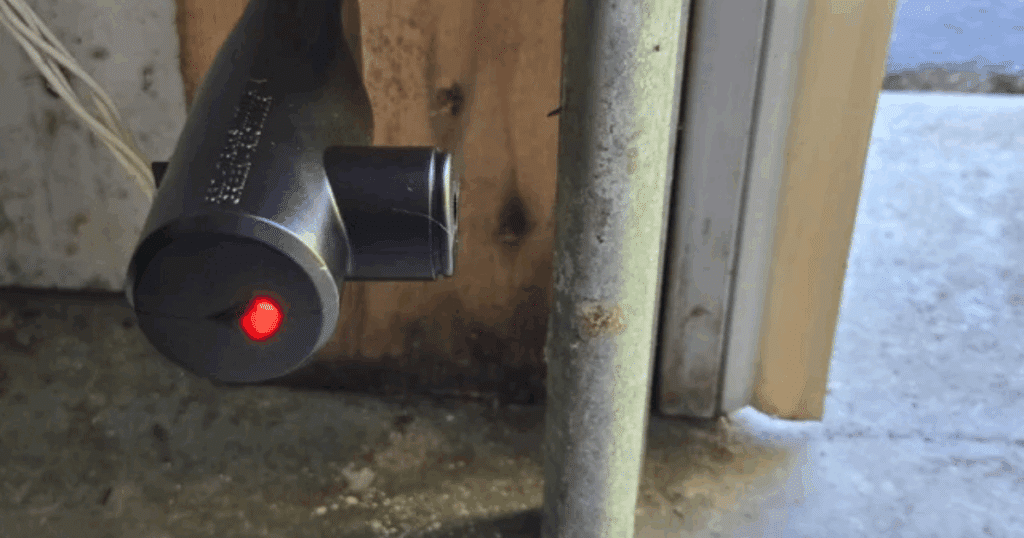
Garage door sensors use infrared (IR) beams to detect obstructions. When the beam is interrupted, the door won’t close. If your sensor only works at night, the most likely culprit is sunlight interference. Bright sunlight can overwhelm the IR signal, causing the sensor to misread or fail to detect the beam.
Other possible causes include:
- Wiring problems that worsen with temperature changes
- Loose or misaligned sensors that shift due to heat expansion
- Mounting on reflective or metal surfaces amplifying sunlight issues
- Dirty sensor lenses that scatter light and reduce accuracy
Understanding these root causes is the first step to resolving the issue and ensuring your garage door operates reliably, day or night.
Step-by-Step Guide: Troubleshooting a Sensor That Works Only at Night
Follow these steps to diagnose and resolve problems with a garage door sensor that’s affected by daylight:
1. Inspect for Sunlight Interference
Direct sunlight can flood the sensor’s receiver, especially if the sensor faces east or west. To check for this:
- Observe the sensor during the brightest part of the day.
- Look for blinking or off indicator lights when the sun hits the sensor.
- Block the sunlight with your hand or a piece of cardboard. If the sensor starts working, sunlight is the issue.
If sunlight is the culprit, you may need to add a small shade or hood over the sensor to block direct rays. Avoid covering the lens itself; instead, create a shield above or beside the sensor.
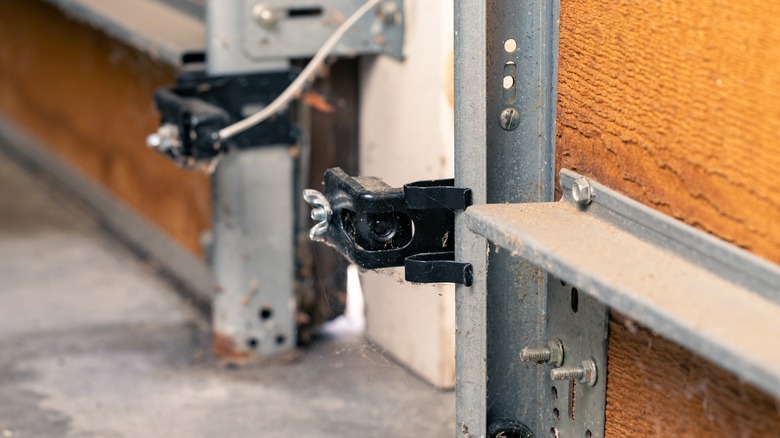
2. Clean the Sensor Lenses
Dirt, dust, or spider webs on the sensor lens can scatter sunlight and interfere with the IR beam. Use a soft cloth and gentle cleaner to wipe both sensors. Avoid scratching the lens, as this can worsen the problem.
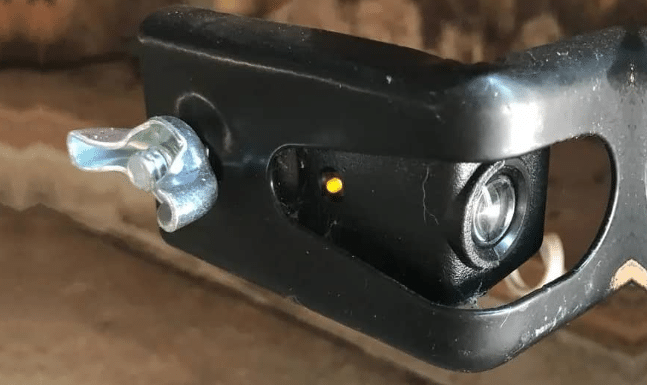
3. Check Sensor Alignment
Sensors must be perfectly aligned to communicate. Even a slight misalignment can cause erratic behavior, especially when sunlight is involved. To realign:
- Loosen the mounting bracket screws.
- Adjust the sensor until the indicator light is steady (not blinking).
- Tighten the screws while holding the sensor in place.
If your sensors are mounted on metal studs, you may want to review how to fix garage door sensor mounting on metal studs for additional tips.
4. Inspect Wiring and Connections
Temperature fluctuations between day and night can affect wiring, especially if connections are loose or corroded. Check for:
- Loose wires at the sensor and opener terminals
- Corroded or frayed wires
- Signs of rodent damage
Tighten any loose connections and replace damaged wires. If the wiring runs along metal surfaces, consider using insulated clips to reduce interference.
5. Evaluate Mounting Surfaces and Brackets
Sensors mounted on metal or reflective surfaces can experience more sunlight interference. If possible, relocate the sensor to a non-reflective surface or use non-metallic mounting brackets. For issues related to bracket damage, see how to fix garage door sensor bracket bending.
6. Test and Monitor
After making adjustments, test the garage door during both day and night. Observe the sensor lights and door operation. If the issue persists, consider replacing the sensors with newer models designed to resist sunlight interference.
Advanced Tips for Persistent Daytime Sensor Problems
If you’ve tried the above steps and your sensor still fails during the day, consider these advanced solutions:
- Replace sensors with models featuring sunlight-resistant technology.
- Install a sun shield or small awning above the sensor to block direct rays.
- Switch sensor sides if only one side is affected by sunlight.
- Check for electrical interference from nearby devices or wiring.
For more on sensor light meanings and troubleshooting, see this comprehensive guide to garage door sensor lights and color codes.
If your garage is exposed to extreme temperature swings, review how to fix garage door sensor from shifting due to temperature for additional guidance.
Preventing Future Issues With Garage Door Sensors
Once you’ve resolved the problem, a few simple habits can help prevent it from returning:
- Clean sensor lenses monthly
- Check alignment and brackets seasonally
- Inspect wiring annually for wear or corrosion
- Trim back plants or objects that could cast shadows or reflect sunlight onto sensors
Regular maintenance ensures your garage door system remains safe and reliable in all lighting conditions.
Frequently Asked Questions
Why does my garage door sensor only fail during the day?
The most common reason is direct sunlight overwhelming the sensor’s infrared beam. Sunlight can mimic or block the signal, causing the sensor to misread. Other factors include dirty lenses, misalignment, or wiring issues exacerbated by heat.
Can I fix sunlight interference without replacing the sensor?
Yes, you can often resolve sunlight interference by shading the sensor with a small hood or awning, cleaning the lenses, and ensuring proper alignment. If these steps don’t work, consider upgrading to sensors designed to resist sunlight.
How do I know if my garage door sensor is aligned correctly?
Most sensors have an indicator light that glows steadily when aligned. If the light is blinking or off, the sensors are misaligned or obstructed. Adjust the sensors until the light is steady, then test the door’s operation.
Is it safe to bypass a malfunctioning garage door sensor?
Bypassing the safety sensor is not recommended, as it disables a critical safety feature. Instead, troubleshoot and repair the sensor or consult a professional if the problem persists.
Addressing a garage door sensor that’s unreliable in daylight can be straightforward once you understand the causes. By following these steps and maintaining your system, you can restore safe, consistent operation to your garage door.