Garage door sensors are essential for ensuring the safety and smooth operation of your garage door. When these sensors malfunction, your door may refuse to close, reverse unexpectedly, or display blinking indicator lights. Learning how to reset garage door sensors is a practical skill that can quickly resolve many common issues and restore your garage door’s reliability.
This guide will walk you through the step-by-step process of resetting your garage door sensors, explain why problems occur, and offer troubleshooting tips for persistent issues. If you’re dealing with misalignment, blinking lights, or unexplained malfunctions, resetting your sensors is often the first and most effective solution.
Before diving into the reset process, it’s helpful to understand the basics of how these safety devices work. If you’re experiencing mounting challenges, you may also find this resource on how to fix garage door sensor mounting on metal studs useful for specific installation scenarios.
Understanding Garage Door Sensor Issues
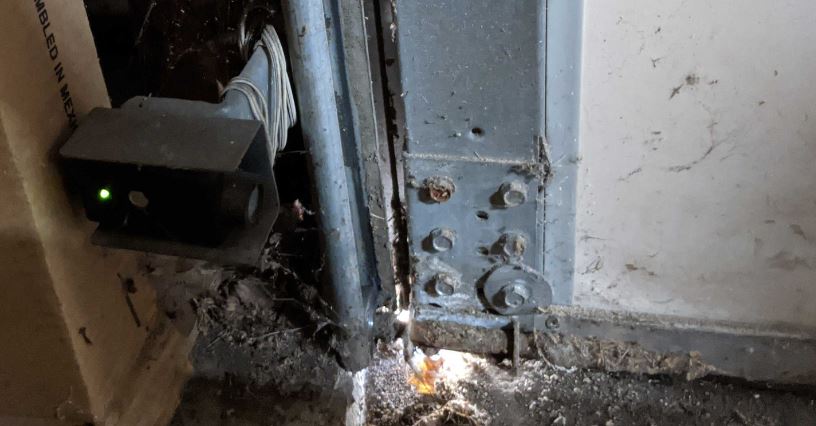
Garage door sensors, often called photo eyes, are installed near the bottom of the door tracks on either side. They communicate using an invisible infrared beam. If anything interrupts this beam, the door will not close, preventing accidents or damage. However, sensors can become misaligned, dirty, or experience electrical faults, leading to operational problems.
- Misalignment: Even a slight bump can knock sensors out of alignment, breaking the beam.
- Dirt or Obstructions: Dust, spider webs, or debris can block the sensor’s lens.
- Wiring Issues: Loose or damaged wires can disrupt power or signal.
- Indicator Lights: Blinking or off lights often signal a problem with alignment or power.
Resetting the sensors is a straightforward way to address many of these issues and restore normal operation.
Step-by-Step Guide: Resetting Your Garage Door Sensors
Follow these steps to reset your garage door sensors and get your door working properly again. Always ensure your safety by disconnecting power before handling electrical components.
-
Disconnect Power
Unplug the garage door opener or switch off the circuit breaker. This prevents accidental activation while you work.
-
Inspect and Clean the Sensors
Locate the sensors near the bottom of the door tracks. Wipe the lenses gently with a soft, dry cloth to remove dust or debris. Even a small obstruction can cause the system to malfunction.
-
Check Sensor Alignment
Both sensors should face each other directly. Adjust them until the indicator lights are steady (not blinking). Most models have a green or amber light that glows when aligned.
-
Reconnect Power
Plug the opener back in or restore power at the breaker. Test the door by closing it with the remote or wall button. If the door closes smoothly, the reset was successful.
-
Reset the Opener (if needed)
Some garage door openers have a “learn” or “reset” button. Press and hold this button for several seconds to reset the system. Refer to your opener’s manual for specific instructions.
Common Signs That Sensors Need Resetting
Recognizing when your sensors require a reset can save time and prevent unnecessary repairs. Here are some typical symptoms:
- The garage door reverses before closing completely.
- Indicator lights on the sensors are blinking or off.
- The door won’t close using the remote or wall button.
- You hear beeping or see error codes on the opener.
If you notice any of these signs, follow the reset steps above. For issues like missing indicator lights, see this detailed explanation on why is my garage door sensor indicator light missing.
Troubleshooting After Resetting Garage Door Sensors
If resetting doesn’t resolve the problem, further troubleshooting may be necessary. Here are some additional steps to consider:
- Check for Wiring Problems: Inspect the wires leading to each sensor for visible damage or loose connections. Secure any loose wires and replace damaged ones.
- Test the Sensors Individually: Cover one sensor at a time to see if the door responds. If the door closes with one sensor covered but not the other, the faulty sensor may need replacement.
- Look for Obstructions: Ensure nothing is blocking the path between the sensors, including stored items, tools, or vehicles.
- Consult the Opener Manual: Some openers display error codes or have unique reset procedures. Refer to your manufacturer’s instructions for guidance.
For more complex issues, such as sensor bracket damage, refer to this guide on how to fix garage door sensor bracket bending for repair tips.
Sometimes, environmental factors like temperature changes can cause sensors to shift. Learn how to address these problems with this resource on how to fix garage door sensor from shifting due to temperature.
When to Replace or Seek Professional Help
If your sensors remain unresponsive after resetting and troubleshooting, replacement may be necessary. Persistent blinking lights, no indicator response, or visible damage are signs that new sensors are needed. In some cases, electrical issues within the opener or wiring may require a professional technician.
For recurring problems like sensor lights turning off and on, see this article on why is my garage door sensor light turning off and on for more insight.
For a comprehensive troubleshooting checklist, you can also review this in-depth guide to troubleshooting garage door sensors for additional tips and solutions.
Frequently Asked Questions
How often should I reset my garage door sensors?
There’s no set schedule for resetting sensors. You should only reset them when you notice operational issues such as the door not closing, blinking indicator lights, or after cleaning and realignment. Routine maintenance, like cleaning the lenses and checking alignment, can prevent many problems.
What if my sensors are aligned but the door still won’t close?
If alignment and cleaning don’t solve the issue, check for wiring problems, obstructions, or faulty sensors. Test each sensor individually and consult your opener’s manual for error codes. If problems persist, replacement or professional service may be required.
Can I bypass garage door sensors temporarily?
While some openers allow you to hold the wall button to close the door, bypassing sensors is not recommended for regular use. The sensors are a critical safety feature designed to prevent injury or damage. Always address the root cause of the malfunction rather than bypassing the system.
Resetting your garage door sensors is a practical first step for restoring safe and reliable function. With regular maintenance and prompt troubleshooting, you can keep your garage door operating smoothly and safely for years to come.