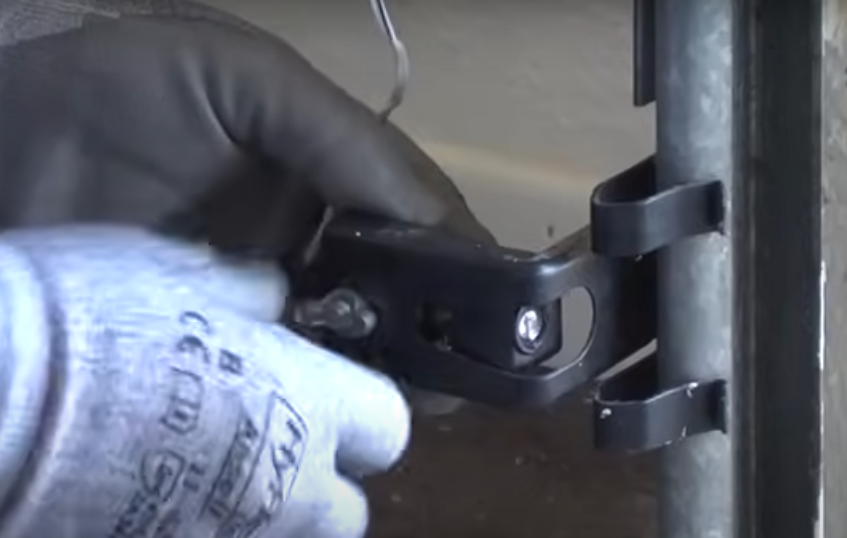
Garage door sensors are essential for the safety and smooth operation of any automatic garage door system. When these small devices malfunction, the entire door can stop working or, worse, become a safety hazard. Homeowners often wonder why do garage door sensors fail and what steps they can take to prevent or fix these issues. Understanding the most frequent causes of sensor failure can help you troubleshoot problems efficiently and maintain reliable operation.
In this article, we’ll break down the ten most common reasons garage door sensors stop working, how to spot the symptoms, and what you can do to address each issue. We’ll also share practical tips and resources for troubleshooting, including advice on how to fix garage door sensor mounting on metal studs and other related challenges.
Understanding Garage Door Sensor Functionality
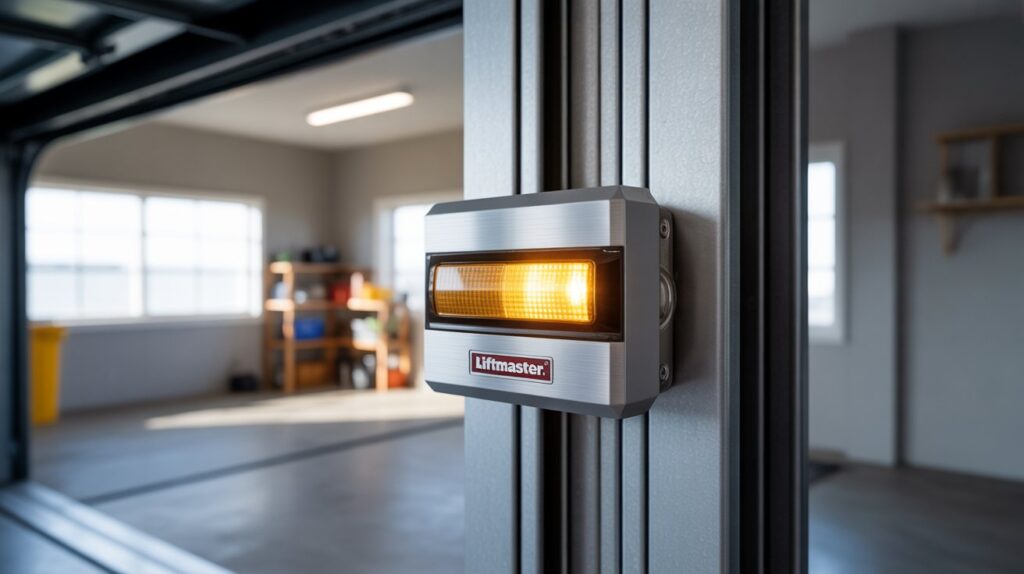
Before diving into the main causes of failure, it’s helpful to know how these sensors work. Most modern garage doors use a pair of photoelectric sensors placed on either side of the door, a few inches above the ground. These devices send an invisible beam across the opening. If anything interrupts the beam, the door will not close, protecting people, pets, and objects from harm.
When sensors malfunction, the door may refuse to close, reverse unexpectedly, or display blinking lights. Knowing the basics of their operation makes it easier to diagnose problems and determine if the issue lies with the sensors or another part of the system.
Top Causes of Garage Door Sensor Malfunction
1. Misalignment of Sensors
One of the most frequent answers to why do garage door sensors fail is simple misalignment. If the two sensors are not perfectly facing each other, the beam cannot complete its path. This can happen if the sensors are bumped, the brackets become loose, or the mounting surface shifts over time. Realigning the sensors so their lenses point directly at each other usually resolves this issue.
2. Dirty or Obstructed Lenses
Dust, cobwebs, dirt, or even water spots on the sensor lenses can block the infrared beam. Regularly cleaning the lenses with a soft, dry cloth helps maintain proper operation. Even a small amount of debris can cause the sensors to behave as if something is blocking the door.
3. Wiring Issues and Loose Connections
Faulty or loose wiring is another common culprit. Over time, wires can become frayed, disconnected, or corroded, especially in garages with high humidity or pests. Inspecting the wiring for visible damage and ensuring all connections are secure can often restore proper function. For more detailed guidance, see this resource on how to fix garage door sensor wiring using electrical tape.
4. Power Supply Problems
Sensors require a consistent power source. If there’s an issue with the garage door opener’s power supply, a tripped breaker, or a blown fuse, the sensors may stop working entirely. Check that the opener is plugged in and receiving power, and inspect your home’s electrical panel for any issues.
5. Sunlight Interference
Direct sunlight shining onto the sensor lenses can sometimes overwhelm the infrared beam, causing the system to think the path is blocked. This is more likely in garages facing east or west. Installing shades or repositioning the sensors slightly can help minimize this problem.
6. Physical Damage to Sensors
Sensors are often located near the ground, making them vulnerable to bumps from bikes, tools, or even vehicles. Cracked or broken sensor housings can disrupt alignment or expose internal components to moisture and dirt, leading to failure.
7. Faulty Sensor Electronics
Like any electronic device, garage door sensors can simply wear out over time. Internal circuit failures, manufacturing defects, or exposure to extreme temperatures can cause the electronics to stop working. In these cases, replacement is usually the only solution.
8. Moisture and Water Intrusion
Garages are often exposed to rain, snow, and humidity. If water seeps into the sensor housing, it can corrode the electronics or short-circuit the system. Make sure sensors are properly sealed and mounted above the ground to avoid water damage.
9. Incompatible or Worn-Out Components
Sometimes, replacing one part of the garage door system with an incompatible sensor or using old, worn-out sensors can lead to communication errors. Always use sensors recommended by your opener’s manufacturer and replace both sensors at the same time for best results.
10. Interference from Nearby Devices
Other electronic devices, such as LED lights, wireless routers, or even some types of security systems, can interfere with the signal between garage door sensors. If you notice problems after installing new electronics in your garage, try moving them away from the sensors or switching to a different frequency if possible.
How to Troubleshoot and Fix Sensor Issues
If your garage door sensors are not working, start by checking for obvious issues like misalignment, dirty lenses, or visible wiring problems. Many problems can be resolved with simple cleaning, tightening, or repositioning. For more complex issues, such as persistent blinking lights or power failures, consult your opener’s manual or seek professional help.
For step-by-step troubleshooting, you may find this detailed guide to troubleshooting garage door sensor issues helpful.
If your sensors are showing unusual symptoms, such as a blinking light pattern, you might want to review this article on why is my garage door sensor light blinking twice for specific solutions.
Preventive Maintenance Tips
- Clean the sensor lenses regularly to prevent dirt and debris buildup.
- Check alignment after any accidental bumps or garage cleaning.
- Inspect wiring for wear, corrosion, or loose connections at least once a year.
- Test the sensors monthly by closing the door with an object in the path to ensure the safety feature works.
- Protect sensors from water and direct sunlight with shields or covers if necessary.
For issues related to unusual noises, such as humming or buzzing, see this guide on how to fix garage door sensor hum or buzz.
When to Replace Your Garage Door Sensors
If you’ve tried all troubleshooting steps and your sensors still don’t work, it may be time for a replacement. Signs that you need new sensors include:
- Physical damage to the sensor housing
- Persistent malfunction despite cleaning and realignment
- Visible corrosion or water damage
- Unresponsive or dead sensor lights (see why is my garage door sensor transmitter dead for more details)
Always use compatible replacement parts and follow the manufacturer’s installation instructions to ensure safety and reliability.
FAQ
What are the first signs of garage door sensor failure?
Early symptoms include the garage door refusing to close, reversing unexpectedly, or the sensor lights blinking. Sometimes, the opener may emit error codes or beeps. Regularly observing your door’s behavior can help catch sensor problems early.
Can I bypass faulty garage door sensors?
While it is technically possible to bypass sensors, it is not recommended due to safety risks. The sensors are a critical safety feature designed to prevent injury or property damage. If your sensors are not working, focus on troubleshooting or replacing them rather than bypassing.
How often should I clean and check my garage door sensors?
It’s a good idea to clean the lenses and check alignment every few months, or more often if your garage is dusty or exposed to the elements. Inspect wiring and test the safety function at least once a year to maintain reliable operation.