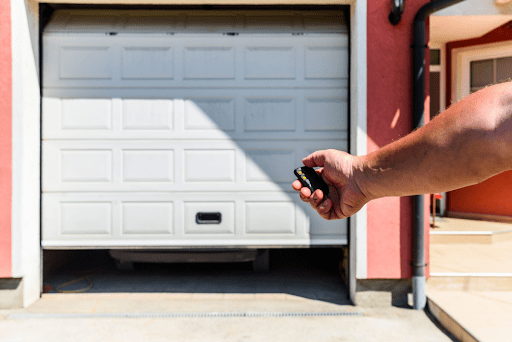
A properly aligned garage door is essential for reliable, safe, and quiet performance. Over time, even well-installed doors can become misaligned due to daily use, temperature changes, or accidental bumps. When alignment issues develop, you might notice sticking, uneven gaps, noisy operation, or the door stopping unexpectedly. Learning a practical garage door alignment test method helps you identify these problems early and keep your garage door running smoothly.
This article provides a step-by-step approach to checking your garage door’s alignment, explains why it matters, and offers tips for troubleshooting common issues. Whether you’re a homeowner looking to maintain your door or a DIY enthusiast interested in preventative care, understanding how to assess alignment can save you time, money, and frustration.
If you’re also dealing with sensor issues, you may find this guide on how to fix garage door sensor mounting on metal studs helpful for related troubleshooting.
Why Garage Door Alignment Matters
When your garage door is out of alignment, it can cause a range of problems—from noisy operation and increased wear on moving parts to safety hazards and even complete failure to open or close. Misalignment can also strain the opener and tracks, leading to costly repairs. By using a reliable garage door alignment test method, you can catch these issues before they escalate.
- Safety: A misaligned door may not reverse properly, increasing the risk of injury or property damage.
- Longevity: Proper alignment reduces stress on springs, rollers, and the opener, extending their lifespan.
- Energy Efficiency: Even gaps can help keep out drafts, pests, and moisture.
- Convenience: A well-aligned door operates quietly and reliably, minimizing disruptions.
Signs Your Garage Door Needs an Alignment Check
Before diving into the testing process, it’s important to recognize the symptoms of a misaligned door. Common warning signs include:
- The door appears crooked when closed or partially open.
- There are uneven gaps between the door and the frame or floor.
- You hear scraping, grinding, or popping sounds during operation.
- The door sticks, hesitates, or reverses unexpectedly.
- Rollers frequently come off the tracks.
- The opener struggles or stops midway.
If you notice any of these issues, it’s time to perform a comprehensive alignment assessment.
Step-by-Step Garage Door Alignment Test Method
Follow these steps to evaluate your garage door’s alignment and pinpoint potential trouble spots:
- Visual Inspection: With the door closed, stand inside your garage and look for visible gaps along the sides and bottom. The door should sit flush with the frame and floor. Check for any warping or bending in the panels.
- Manual Operation Test: Disconnect the opener by pulling the emergency release cord. Lift the door manually to about halfway. A balanced, aligned door should stay in place or move very slowly. If it falls or rises quickly, there may be spring or alignment issues.
- Track and Roller Check: Inspect both tracks for bends, obstructions, or debris. Rollers should move smoothly within the tracks without binding or popping out. Check for loose or missing hardware.
- Side-to-Side Level Test: With the door halfway open, measure the distance from the floor to the bottom of the door on both sides. The measurements should be nearly identical. A significant difference indicates misalignment.
- Opener Test: Reconnect the opener and operate the door. Listen for unusual noises and observe whether the door moves smoothly from start to finish. If the door stops or reverses midway, alignment or sensor issues may be present.
Common Causes of Misalignment
Several factors can throw your garage door out of alignment. Understanding these causes can help you prevent future problems:
- Loose Hardware: Vibration and use can loosen bolts, brackets, and hinges, causing the door to shift.
- Track Damage: Bumps from vehicles or objects can bend or misalign the tracks.
- Worn Rollers: Old or damaged rollers may not glide smoothly, leading to uneven movement.
- Spring Issues: Broken or unbalanced springs can cause the door to tilt or bind.
- Foundation Settling: Changes in your garage’s foundation can create new gaps or unevenness.
How to Fix Alignment Problems
If your inspection reveals alignment issues, some adjustments can be made by a confident DIYer, while others may require a professional. Here are some basic troubleshooting tips:
- Tighten Hardware: Use a socket wrench to snug up loose bolts and brackets along the tracks and door panels.
- Adjust Tracks: Loosen the mounting brackets slightly and gently tap the tracks back into position. Ensure both tracks are parallel and plumb.
- Replace Worn Rollers: Swap out old or damaged rollers for new ones to improve smoothness and reduce noise.
- Lubricate Moving Parts: Apply a silicone-based lubricant to rollers, hinges, and springs to minimize friction.
- Check Springs: If you suspect spring issues, contact a professional. Spring adjustments can be dangerous without proper tools and training.
For more detailed troubleshooting, you might also want to read about how to fix garage door sensor wiring using electrical tape if your sensors are contributing to alignment or operational problems.
When to Call a Professional
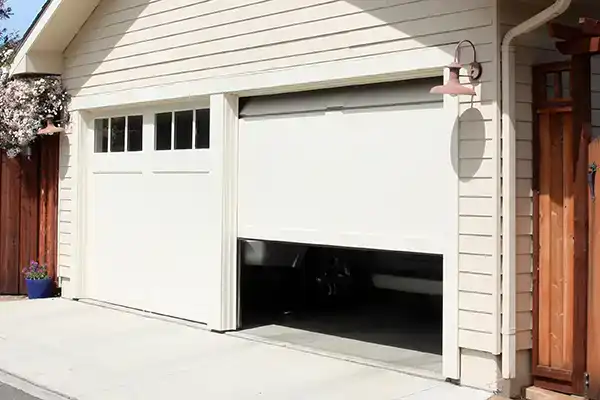
While many minor alignment issues can be addressed with basic tools and patience, some situations require expert help. If you notice broken springs, severe track damage, or persistent operational failures after adjustments, it’s best to contact a qualified technician. Attempting complex repairs without proper experience can be dangerous and may void your warranty.
For more insight into why a door might stop or reverse, see this detailed explanation of garage door stopping issues from a trusted industry source.
Preventative Maintenance Tips
Regular maintenance is the best way to avoid misalignment and keep your garage door functioning smoothly. Here are a few simple habits to adopt:
- Inspect hardware and tracks monthly for signs of wear or loosening.
- Lubricate all moving parts every three to six months.
- Test the door’s balance and alignment twice a year.
- Keep the tracks clean and free of debris.
- Address minor issues promptly to prevent bigger problems.
If you encounter unusual noises or sensor problems during your checks, resources like how to fix garage door sensor hum or buzz and why is my garage door sensor light blinking twice can offer targeted solutions.
FAQ
How often should I check my garage door’s alignment?
It’s recommended to inspect your garage door’s alignment at least twice a year, or any time you notice unusual noises, sticking, or uneven gaps. Regular checks help catch small issues before they turn into expensive repairs.
Can I realign my garage door myself?
Many minor alignment adjustments, such as tightening hardware or cleaning tracks, can be done by most homeowners. However, if you encounter broken springs, severe track damage, or persistent alignment problems, it’s safer to call a professional.
What are the risks of ignoring misalignment?
Overlooking alignment issues can lead to increased wear on your door and opener, noisy operation, safety hazards, and even complete failure. Addressing problems early helps maintain smooth, reliable performance and extends the life of your garage door system.