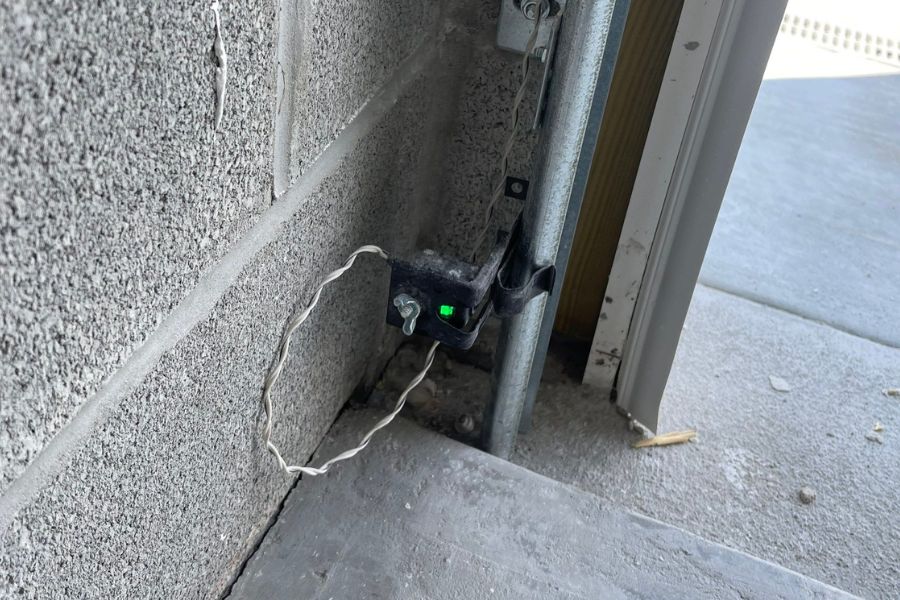
A malfunctioning garage door can be both inconvenient and unsafe, especially when the issue lies with the safety sensor wiring. Understanding how to identify a faulty garage door sensor wire is crucial for homeowners who want to keep their garage doors operating reliably and securely. This guide will walk you through the signs of sensor wire problems, the steps to diagnose them, and what to do next to restore proper function.
Before diving into troubleshooting, it’s important to know that garage door sensors are designed to prevent accidents by stopping the door if something is in its path. When the wiring to these sensors is damaged or faulty, the entire safety system can fail. If you notice your garage door behaving unpredictably, or refusing to close, the sensor wires may be to blame. For a deeper dive into related wiring issues, you can also review how to check garage door sensor wiring for damage.
Common Symptoms of Sensor Wire Problems
Recognizing the early warning signs of sensor wire failure can help you avoid bigger issues down the road. Here are some of the most frequent indicators that your garage door sensor wiring may need attention:
- Garage door won’t close: If the door only closes when you hold down the wall button, the safety sensors or their wires are likely at fault.
- Flickering sensor lights: A steady light usually means the sensors are aligned and powered. Flickering or no light can indicate a wiring issue.
- Intermittent operation: The door may work sometimes but not others, suggesting a loose or damaged wire.
- Unusual noises: Clicking or buzzing from the opener could be a sign of electrical issues, including faulty sensor wires.
If you’re experiencing flickering lights specifically, you might find this resource on how to fix garage door sensor flickering helpful as well.
Step-by-Step Guide to Diagnosing Sensor Wire Issues
To accurately determine if the wiring is the root cause of your garage door sensor troubles, follow these practical steps:
- Inspect the sensor lights: Check both sensors at the bottom of the garage door tracks. If either light is off or flickering, this could point to a wiring problem.
- Check for visible wire damage: Look for frayed, pinched, or cut wires along the path from the sensors to the opener. Pay special attention to areas where the wires are exposed or where they may be subject to movement or pinching.
- Test the sensors: Gently wiggle the wires at the sensor and opener terminals. If the sensor lights flicker or go out when you move the wires, there may be a break or loose connection.
- Use a multimeter: If you have a multimeter, check for continuity in the wires. No continuity means there’s a break somewhere in the line.
- Swap the wires: If possible, switch the wires between the two sensors. If the problem moves with the wire, you’ve likely found the faulty one.
Why Sensor Wire Faults Occur
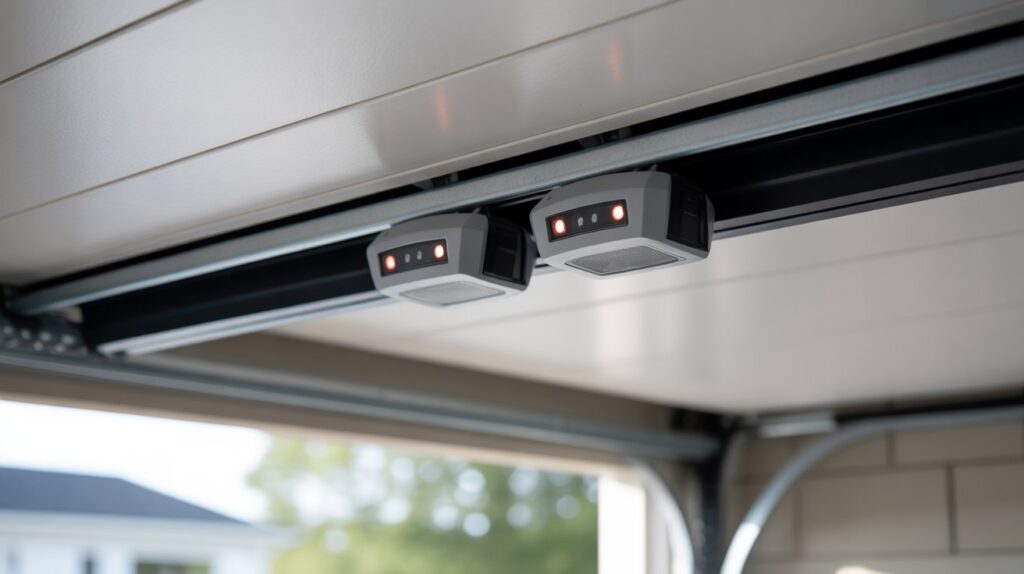
Understanding the root causes of sensor wire failure can help prevent future problems. Some of the most common reasons include:
- Physical damage: Wires can be accidentally cut, pinched, or chewed by pests.
- Wear and tear: Over time, wires may degrade due to vibration, temperature changes, or repeated movement.
- Poor installation: Incorrectly routed or loosely connected wires are more prone to failure.
- Moisture or corrosion: Exposure to water or humidity can cause corrosion, leading to poor connections or breaks.
For a more detailed look at the causes and troubleshooting of sensor issues, consider reading this comprehensive guide to garage door sensor troubleshooting.
What to Do When You Find a Faulty Sensor Wire
Once you’ve confirmed that a sensor wire is at fault, you have several options for repair:
- Reattach loose wires: If a wire has simply come loose from its terminal, reattach it securely and test the sensors again.
- Repair minor damage: For small nicks or cuts, use electrical tape to insulate the exposed section. Ensure the wire is not under tension or at risk of further damage.
- Replace the wire: If the damage is extensive or the wire is broken, replacement is the safest option. For step-by-step instructions, see this helpful resource on how to rewire garage door sensors.
- Test after repair: Always check the operation of your garage door after any repair to ensure the sensors are working and the safety system is restored.
Preventing Future Sensor Wire Issues
Prevention is key to avoiding recurring problems with your garage door safety system. Here are some practical tips:
- Secure wiring: Use cable clips or conduit to keep wires out of harm’s way and prevent them from being pinched or snagged.
- Inspect regularly: Check the condition of your sensor wires during routine garage maintenance.
- Protect from moisture: Ensure wires are not exposed to water or excessive humidity, especially near the floor or exterior walls.
- Address issues promptly: If you notice any symptoms of sensor malfunction, investigate right away to prevent further damage.
For those interested in confirming that their sensors are functioning after repairs, see this guide on how to test garage door safety sensors.
FAQ
What are the most common signs of a bad garage door sensor wire?
The most frequent signs include the garage door refusing to close, flickering or unlit sensor lights, and the door only operating when you hold down the wall button. Intermittent operation and visible damage to the wires are also strong indicators.
Can I fix a faulty sensor wire myself, or should I call a professional?
Many minor issues, such as loose connections or small nicks, can be addressed by homeowners with basic tools. However, if you’re unsure or the damage is extensive, it’s safest to consult a professional to ensure proper repair and maintain safety.
How do I test if my garage door sensor wire is actually the problem?
Start by visually inspecting the wires for damage and checking the sensor lights. Gently move the wires to see if the lights flicker or go out. Using a multimeter to test for continuity can also help confirm if there’s a break in the wire.
Why does my garage door only close when I hold the button?
This usually means the safety sensors are not communicating properly with the opener, often due to misalignment or a wiring issue. For more details, you can read about why does my garage door only close when I hold the button.
What tools do I need to check my garage door sensor wires?
Basic tools include a screwdriver, electrical tape, and a multimeter for testing continuity. Having these on hand will make diagnosing and repairing sensor wire issues much easier.