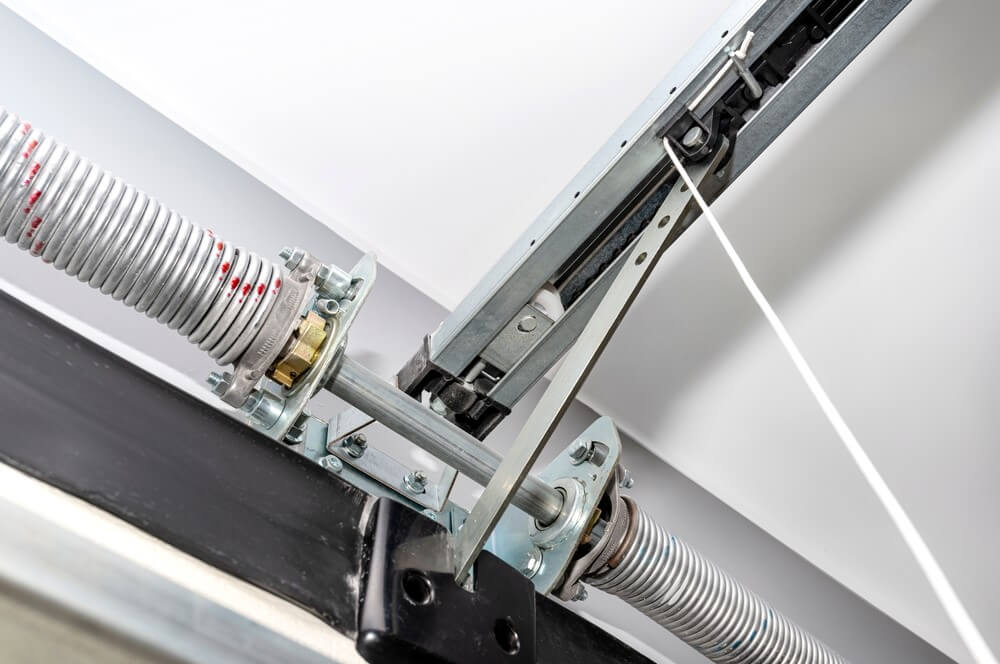
If you’ve arrived home only to find your garage door stuck and refusing to budge, you’re not alone. A malfunctioning cable is one of the most common reasons a garage door won’t open. Understanding what causes this issue and how to address it can save you time, money, and frustration. This guide covers the most frequent cable-related problems, how to safely inspect your door, and practical steps you can take to get things moving again.
Before diving into solutions, it’s important to know that garage door cables are under significant tension. If you’re unsure or uncomfortable with any step, consider consulting a professional. For those ready to tackle the basics, let’s explore why your garage door might be stuck and what you can do about it.
For more in-depth technical information, check out the garage door cable professional guide for expert tips and specifications.
Common Reasons a Garage Door Cable Prevents Opening
When your garage door refuses to open, the culprit is often a problem with the cables. These steel wires are essential for lifting and lowering the door smoothly. Here are the most frequent causes:
- Cable Snap or Breakage: Over time, cables can fray and eventually snap due to wear, rust, or poor maintenance.
- Cable Off the Drum: If the cable slips off its drum, the door may become uneven or jammed in place.
- Tangled or Loose Cables: Improper tension or misalignment can cause cables to tangle, making it impossible to open the door.
- Spring Failure: Since cables work in tandem with springs, a broken spring can also prevent the door from moving.
Identifying the exact issue is the first step toward a solution. If your garage door cable door won’t open, a careful inspection can help pinpoint the problem.
How to Inspect Your Garage Door Cables Safely
Safety should always come first when dealing with garage door components. Follow these steps for a basic inspection:
- Disconnect the Opener: Unplug the automatic opener or use the manual release cord to prevent accidental activation.
- Look for Visible Damage: Examine both sides of the door for frayed, loose, or broken cables.
- Check Cable Alignment: Ensure cables are properly seated on the drums and not tangled or off-track.
- Inspect the Springs: Look for gaps, rust, or breakage in the torsion or extension springs.
If you notice severe damage or feel unsure, it’s best to contact a professional. However, some minor issues can be addressed with basic tools and replacement parts.
Quick Fixes for a Stuck Garage Door Due to Cable Issues
Once you’ve identified that a cable problem is preventing your garage door from opening, there are a few practical steps you can try:
1. Reset the Cables on the Drum
If a cable has slipped off the drum but isn’t broken, you may be able to reset it:
- With the door fully closed, use locking pliers to secure the door in place.
- Carefully guide the cable back onto the drum, ensuring it’s taut and properly aligned.
- Remove the pliers and test the door manually before reconnecting the opener.
2. Replace Frayed or Broken Cables
If the cable is damaged, it will need to be replaced. Kits are available for most residential doors. Always follow the manufacturer’s instructions and ensure the replacement cable matches your door’s specifications. For more on cable types and upgrades, see the garage door cable system upgrade resource.
3. Lubricate and Maintain
Sometimes, cables become stiff or noisy due to lack of lubrication. Apply a garage door lubricant to the cables, drums, and pulleys to ensure smooth operation. Avoid using heavy grease, as it can attract dirt and cause further issues.
4. Address Spring Problems
If the springs are broken, replacing them is a job best left to professionals due to the high tension involved. However, you can visually inspect for damage and schedule a service call if needed.
For a deeper understanding of how these components work together, you can read this detailed explanation of garage door cable mechanics.
Preventing Future Cable Problems
Regular maintenance is the best way to avoid being caught off guard by a stuck garage door. Here are some tips to keep your cables and door in top shape:
- Inspect cables and springs every few months for signs of wear or corrosion.
- Lubricate moving parts regularly with a silicone-based spray.
- Keep the tracks clean and free of debris.
- Schedule annual professional inspections for peace of mind.
For more advice on avoiding costly breakdowns, visit the garage door cable prevention tips page.
When to Call a Professional
While many minor cable issues can be addressed by homeowners, there are times when professional help is essential:
- The cable is completely snapped or tangled beyond repair.
- The springs are broken or severely rusted.
- The door is off its tracks or hanging unevenly.
- You’re unsure about any step or lack the necessary tools.
Attempting complex repairs without the right experience can be dangerous. Don’t hesitate to seek expert assistance for major problems. For tips on preventing rust and corrosion, see the garage door cable corrosion prevention guide.
FAQ: Garage Door Cable Problems
Why did my garage door cable suddenly snap?
Cables can snap due to age, rust, improper tension, or lack of maintenance. Regular inspections and lubrication help prevent sudden failures.
Can I open my garage door manually if the cable is broken?
If a cable is broken, avoid forcing the door open, as this can cause further damage or injury. Use the emergency release only if the door is fully closed and secure. If unsure, contact a professional.
How often should I replace garage door cables?
Most cables last 7–10 years with proper care, but it’s wise to inspect them annually and replace at the first sign of fraying or corrosion.
What are signs that my cables need attention?
Look for fraying, rust, slack, or visible wear. If the door moves unevenly or makes unusual noises, inspect the cables immediately.
Are there ways to prevent moisture damage to cables?
Yes, keeping your garage dry and applying a protective lubricant can minimize moisture-related issues. For more details, visit the garage door cable moisture damage guide.
By understanding the causes and solutions for cable-related garage door problems, you can restore access to your garage quickly and safely. Regular maintenance and prompt attention to warning signs will help keep your door operating smoothly for years to come.