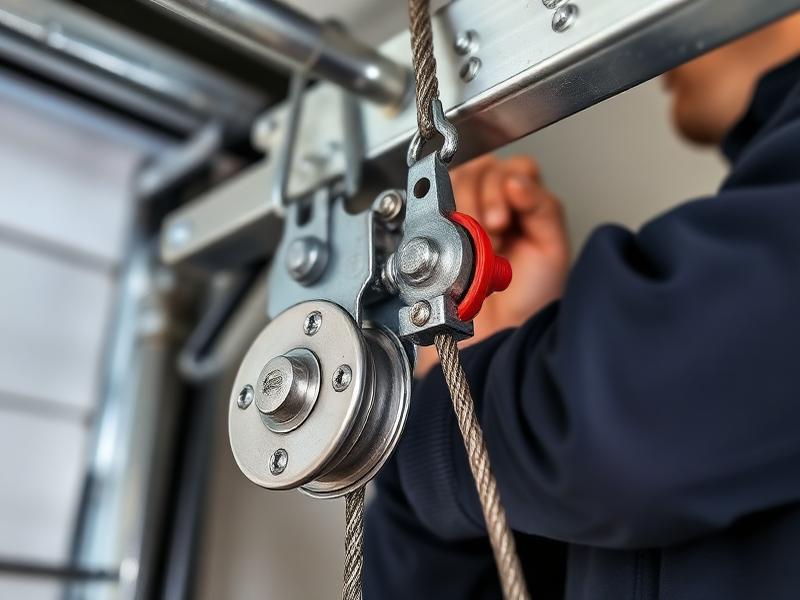
Experiencing garage door cable vibration can be both annoying and concerning for homeowners. This issue not only creates unwanted noise but can also signal underlying problems with your garage door system. Addressing vibrations early helps prevent further damage, ensures smooth operation, and extends the life of your door components.
Whether you’re hearing rattling sounds or noticing visible shaking when opening or closing your garage door, understanding the root causes and knowing how to fix them is essential. In this article, we’ll explore the most common reasons for cable vibrations, practical troubleshooting steps, and simple solutions you can apply at home. For those seeking more in-depth technical advice, the garage door cable professional guide offers detailed tips and specifications.
Understanding Why Garage Door Cables Vibrate
Garage door cables play a critical role in lifting and lowering the door safely. When these cables begin to vibrate, it’s often a sign that something isn’t working as it should. The main causes of cable vibration include:
- Loose or worn pulleys – Pulleys guide the cables and if they become loose or damaged, they can cause the cables to shake.
- Improper cable tension – Cables that are too loose or too tight may vibrate during door movement.
- Misaligned tracks – If the tracks are not straight, the door and cables can move unevenly, leading to vibration.
- Rust or corrosion – Corroded cables or hardware can create friction and irregular movement.
- Worn extension or torsion springs – Springs that have lost their tension can cause cables to slacken and vibrate.
Identifying the specific cause is the first step toward a reliable solution. For homeowners interested in preventing these issues, the garage door cable prevention tips resource provides actionable advice to stop costly breakdowns before they start.
Common Symptoms of Cable Vibration
Recognizing the signs of cable vibration early can help you address the problem before it escalates. Some of the most frequent symptoms include:
- Rattling or buzzing noises when the door operates
- Visible shaking of the cables or door panels
- Uneven movement or jerking as the door opens or closes
- Slack or sagging cables when the door is stationary
- Difficulty in lifting or lowering the door manually
If you notice any of these issues, it’s important to inspect your garage door system and address the root cause promptly.
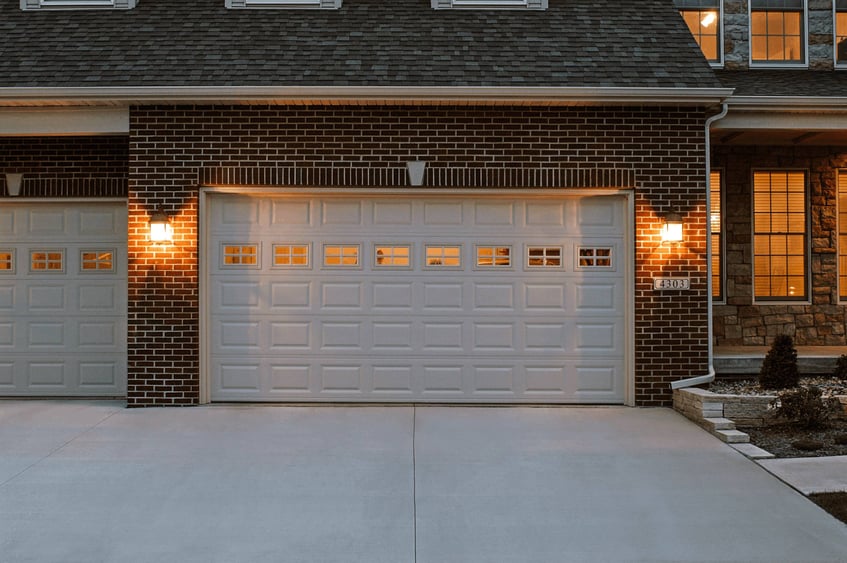
How to Diagnose Cable Vibration Issues
Before jumping into repairs, it’s important to perform a thorough inspection. Here’s a step-by-step approach to diagnosing the source of cable vibration:
- Visual Inspection: With the door closed, look for frayed, rusted, or loose cables. Check if the cables are properly seated in the pulleys and drums.
- Check Cable Tension: Gently press on the cables. They should be taut but not overly tight. Excess slack or extreme tension can both cause vibration.
- Examine Pulleys and Springs: Inspect pulleys for wobbling or wear. Look at the springs for signs of stretching, rust, or breakage.
- Inspect Tracks: Ensure the tracks are straight, clean, and securely fastened to the wall. Misalignment can cause the door and cables to vibrate.
- Operate the Door: Open and close the door while observing the cables and listening for unusual noises.
For a more comprehensive look at cable system upgrades and modern solutions, see the garage door cable system upgrade guide.
Easy Solutions for Reducing Cable Vibration
Once you’ve identified the cause, you can take several steps to resolve cable vibration. Many of these solutions are simple enough for DIY enthusiasts, but always prioritize safety and consult a professional if you’re unsure.
Tighten or Replace Pulleys
Loose or worn pulleys are a common culprit. Tighten any loose mounting hardware and replace pulleys that show signs of wear or damage. Upgrading to a new pulley and cable kit can significantly reduce vibration and noise.
Adjust Cable Tension
Proper cable tension is crucial for smooth operation. If the cables are too loose, adjust them according to your door’s manufacturer instructions. For extension spring systems, this may involve repositioning the S-hook or adjusting the cable clamp. For torsion spring systems, cable drums may need to be repositioned. If you’re not comfortable with these adjustments, consider hiring a professional technician.
Lubricate Moving Parts
Apply a silicone-based lubricant to pulleys, springs, and other moving parts. This reduces friction and helps minimize vibration. Avoid using grease or oil that can attract dust and debris.
Replace Damaged or Corroded Cables
If cables are frayed, rusted, or otherwise compromised, replace them promptly. Using high-quality, galvanized cables helps prevent future corrosion and vibration. For tips on preventing rust and moisture damage, the garage door cable corrosion prevention guide is a valuable resource.
Realign Tracks
Misaligned tracks can cause the door and cables to vibrate. Use a level to check alignment and adjust the brackets as needed. Ensure all fasteners are tight and the tracks are free from debris.
Upgrade Springs if Needed
Worn or stretched springs can lead to slack cables and increased vibration. If springs are nearing the end of their lifespan, replacing them can restore proper tension and smooth operation.
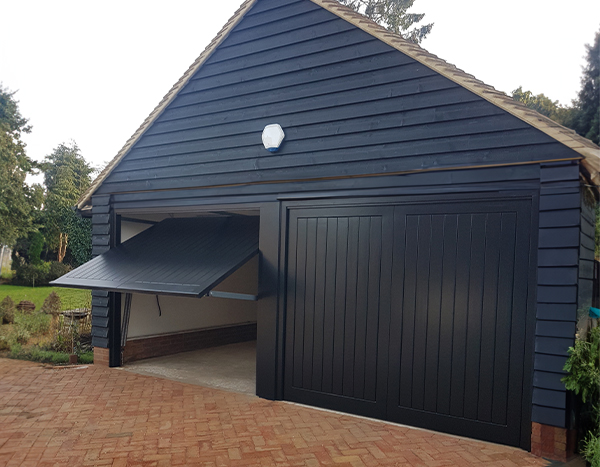
When to Call a Professional
While many cable vibration issues can be addressed with basic tools and DIY know-how, some situations require professional attention. If you notice:
- Severe cable fraying or breakage
- Broken springs or pulleys
- Persistent vibration after basic troubleshooting
- Unusual noises or door imbalance
It’s best to contact a qualified garage door technician. Attempting complex repairs without proper knowledge can be dangerous due to the high tension in springs and cables. For step-by-step repair instructions, check out this comprehensive guide to fixing garage door cables.
Preventing Future Cable Vibration
Regular maintenance is the key to keeping your garage door running smoothly and vibration-free. Here are some preventive measures:
- Inspect cables, pulleys, and springs every few months
- Lubricate moving parts regularly
- Keep tracks clean and properly aligned
- Replace worn or rusted components promptly
- Address moisture and humidity issues in the garage to prevent corrosion
For more information on protecting your cables from moisture-related damage, visit the garage door cable moisture damage page.
Frequently Asked Questions
What is the most common cause of garage door cable vibration?
The most frequent cause is loose or worn pulleys, followed by improper cable tension and misaligned tracks. Regular inspection and timely replacement of these components can prevent most vibration issues.
Can I fix vibrating garage door cables myself?
Many minor issues, such as adjusting cable tension or lubricating moving parts, can be handled by homeowners with basic tools. However, if you encounter broken springs, severely frayed cables, or persistent problems, it’s safer to hire a professional.
How often should I inspect my garage door cables?
It’s recommended to inspect cables, pulleys, and related hardware every three to six months. Early detection of wear or damage helps prevent more serious issues and extends the lifespan of your garage door system.
Does rust cause cable vibration?
Yes, rust and corrosion can increase friction and cause cables to move unevenly, resulting in vibration. Using galvanized cables and keeping the garage dry helps prevent rust-related problems.
What should I do if my garage door still vibrates after repairs?
If vibration persists after basic troubleshooting, consult a professional technician. There may be underlying issues with springs, tracks, or the door’s overall balance that require expert attention.