Garage doors are a staple of modern homes, providing security and convenience with the push of a button. Yet, the reliable operation of these doors depends on a system of cables and springs working in perfect harmony. For homeowners and DIY enthusiasts, understanding the garage door cable mechanics is essential for safe operation, effective troubleshooting, and timely maintenance. This guide explores how these cables function, why tension is so critical, and what you need to know to keep your garage door running smoothly.
Before diving into the technical details, it’s helpful to reference additional resources for a deeper understanding. For a comprehensive look at technical specifications and expert advice, the garage door cable professional guide offers valuable insights into advanced maintenance and repair techniques.
How Garage Door Cables Work
The cables in a garage door system are responsible for lifting and lowering the door safely. These strong, flexible wires are typically made from galvanized steel, designed to withstand significant tension and repeated use. Their main function is to transfer the force generated by the springs, allowing the heavy door to move smoothly along its tracks.
There are two primary types of cables used in residential garage doors:
- Lifting cables: Found on doors with torsion spring systems, these attach to the bottom corners of the door and wind around drums as the door opens.
- Extension spring cables: Used with extension spring setups, these run through the springs and help control the door’s movement and prevent it from falling if a spring breaks.
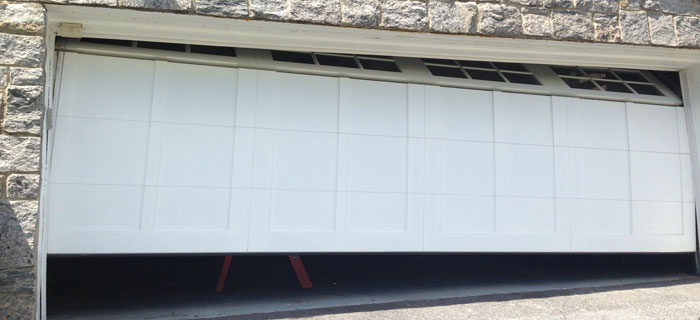
Both types of cables are under constant tension, which is essential for balanced operation. If a cable snaps or loses tension, the door can become unbalanced or even dangerous to operate.
The Role of Tension in Garage Door Cable Mechanics
Proper tension is at the heart of safe and efficient garage door function. When the cables are correctly tensioned, the door opens and closes smoothly, and the weight is evenly distributed. Too much tension can strain the springs and hardware, while too little can cause the door to sag or fail to open fully.
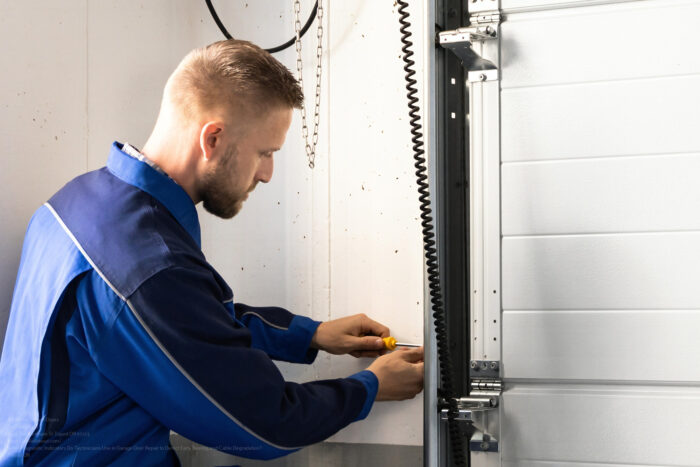
During installation or repair, technicians use specialized tools to adjust the tension. This process must be performed with care, as the stored energy in the springs and cables can cause injury if released suddenly. Regular inspections help ensure that cables remain taut and free from fraying, corrosion, or other signs of wear.
Common Problems and Warning Signs
Even with robust construction, cables can experience issues over time. Recognizing early warning signs can prevent costly repairs and ensure safety. Look out for:
- Fraying or broken strands: Indicates the cable is weakening and may snap soon.
- Slack cables: Suggests a loss of tension, which can cause the door to operate unevenly or get stuck.
- Rust or corrosion: Weakens the cable and increases the risk of failure.
- Unusual noises: Squeaking or grinding sounds may point to cable misalignment or damage.
If you notice any of these symptoms, it’s best to stop using the door and consult a professional. Attempting to adjust or replace cables without proper training can be hazardous.
For more on preventing rust and prolonging cable life, see the garage door cable corrosion prevention guide, which covers care tips and recommended products.
Maintaining Proper Cable Tension
Routine maintenance is key to keeping your garage door system reliable. Here are some practical steps to help maintain cable tension and overall performance:
- Visual inspections: Check cables for fraying, rust, or slackness at least twice a year.
- Lubrication: Apply a light, non-greasy lubricant to moving parts, but avoid getting oil on the cables themselves.
- Test balance: Disconnect the opener and manually lift the door halfway. If it stays in place, the tension is likely correct. If it moves, tension or spring adjustment may be needed.
- Professional servicing: Schedule annual inspections with a qualified technician to ensure all components are in good working order.
Seasonal changes can also affect cable tension. For tips on adjusting to temperature fluctuations, refer to the garage door cable seasonal maintenance article, which outlines best practices for winter and summer care.
Choosing and Replacing Garage Door Cables
When it’s time to replace worn or damaged cables, selecting the right type and size is crucial. Cables must be matched to the door’s weight, spring system, and drum size. Using the wrong cable can lead to improper tension, premature wear, or even system failure.
Replacement should always be performed with the door in the closed position and the opener disconnected. If you’re not experienced with high-tension systems, hiring a professional is the safest option. For those comfortable with DIY repairs, quality replacement kits are available. Always follow manufacturer instructions and safety guidelines.
For a detailed explanation of how cables interact with springs and pulleys, the garage door cable working principle article provides an in-depth look at the physics behind the lifting mechanism.
Preventing Moisture and Rust Damage
Moisture is a leading cause of cable deterioration. Rust weakens steel strands, reducing their load-bearing capacity and increasing the risk of sudden failure. To protect your cables:
- Keep the garage well-ventilated to reduce humidity.
- Inspect cables after heavy rain or snow for signs of moisture accumulation.
- Wipe down cables if they become wet, and apply a rust inhibitor if recommended by the manufacturer.
For step-by-step solutions to rust and corrosion, consult the garage door cable moisture damage guide, which covers cleaning and repair techniques.
Expert Resources and Further Reading
Staying informed about the mechanics of your garage door system can save time, money, and stress. For a broader overview of cable types, installation tips, and troubleshooting, consider reviewing this comprehensive garage door cable guide from industry professionals.
Frequently Asked Questions
How do I know if my garage door cables need replacing?
Look for visible signs such as fraying, rust, or slackness. If the door moves unevenly or makes unusual noises, the cables may be compromised. Regular inspections can help catch problems early.
Can I adjust garage door cable tension myself?
Adjusting cable tension involves working with high-tension components and can be dangerous without proper tools and experience. It’s best to leave adjustments to trained professionals to avoid injury.
What happens if a garage door cable breaks?
If a cable breaks, the door may become unbalanced, jam, or even fall. Stop using the door immediately and contact a technician for repair. Do not attempt to operate or fix the door until it has been inspected and repaired.
Understanding the fundamentals of garage door cable mechanics empowers homeowners to maintain their systems safely and efficiently. With regular care and attention to tension, your garage door will provide years of reliable service.