When your garage door suddenly stops working, a snapped or frayed cable is often the culprit. Addressing a cable issue quickly is crucial for both safety and convenience. This guide covers practical steps for identifying, troubleshooting, and resolving cable failures, whether you’re considering a DIY approach or planning to call a professional. Understanding the basics of a garage door cable fix can help you restore function and avoid further damage.
Garage door cables are essential for lifting and lowering the door smoothly. When these lines break, the door may become stuck, crooked, or even dangerous to operate. Acting promptly and using the right replacement parts can prevent injuries and costly repairs. For those interested in cable durability, you can learn more about garage door cable wire strength and how it impacts longevity and safety.
How to Spot a Broken Garage Door Cable
Recognizing the signs of a cable problem early can save you from bigger headaches. Here are the most common indicators that your garage door cables need attention:
- Door hangs unevenly: If one side of the door is lower than the other, a cable may have snapped or slipped off the drum.
- Visible fraying or rust: Inspect the cables along the sides of the door for broken strands, rust, or kinks.
- Loud banging noise: A sudden, sharp noise during operation can signal a cable or spring failure.
- Door won’t open or close: If the opener runs but the door doesn’t move, a cable might be broken or off track.
It’s important to stop using the door if you notice any of these symptoms. Continuing to operate a door with damaged cables can cause further harm to the system or even result in injury.
Types of Garage Door Cables and Their Roles
Not all cables are created equal. Garage doors typically use two main types:
- Torsion cables: These work with torsion springs and are mounted on a drum above the door. They’re common in modern sectional doors and handle significant tension.
- Extension cables: These run alongside extension springs, usually on older or lighter doors. They stretch and contract as the door moves.
Each cable type has unique installation and safety considerations. For a deeper dive into the specifics, you might find this resource on torsion garage door cables helpful, as well as this extension garage door cables setup and safety guide.
Step-by-Step: Addressing a Damaged Garage Door Cable
Before starting any repair, always disconnect the garage door opener and ensure the door is fully closed. If the door is stuck open, secure it with locking pliers or clamps to prevent sudden movement. Here’s a general outline for handling a cable replacement:
- Gather tools and replacement parts. You’ll need winding bars (for torsion systems), wrenches, pliers, and the correct cable kit.
- Release spring tension. For torsion systems, carefully unwind the springs using winding bars. This step is dangerous—if you’re unsure, call a professional.
- Remove the old cable. Detach the cable from the bottom bracket and drum or pulley system.
- Install the new cable. Thread the new line through the same path, securing it to the bottom bracket and winding it onto the drum or pulley.
- Restore tension and test. Rewind the springs, reattach the opener, and test the door for smooth operation.
For a detailed walkthrough, check out this comprehensive guide to installing garage door springs and cables. If you’re not comfortable with high-tension components, it’s always safer to hire a qualified technician.
Choosing the Right Replacement Cable
When selecting a new cable, consider the following factors:
- Material: Galvanized steel cables are standard for their strength and corrosion resistance. For more on options, see this article on garage door cable materials.
- Diameter and length: Match the cable size to your door’s specifications. Using the wrong size can cause premature wear or improper operation.
- Weight rating: Ensure the cable is rated for the weight of your garage door. Heavier doors require thicker, stronger cables.
Quality matters—using heavy-duty or steel cables can extend the lifespan of your repair. For more details, the steel garage door cables guide covers durability and strength considerations.
Preventive Maintenance and Safety Tips
Regular inspection and maintenance can help you avoid sudden cable failures. Here’s how to keep your garage door system in top shape:
- Inspect cables monthly: Look for fraying, rust, or loose connections.
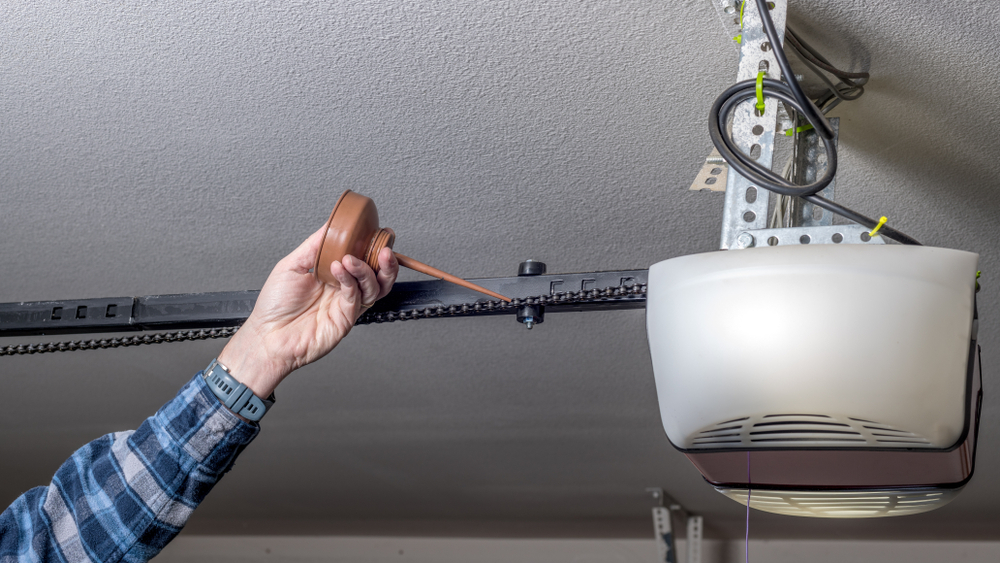
- Lubricate moving parts: Use a silicone-based spray on pulleys, rollers, and hinges to reduce friction.
- Test door balance: Disconnect the opener and lift the door manually. It should stay open about halfway. If not, spring or cable tension may be off.
- Replace both cables: If one cable fails, the other is likely worn. Replacing both ensures even operation and reduces the risk of future issues.
Always prioritize safety. Garage door systems are under high tension, and improper repairs can be hazardous. If you’re unsure about any step, consult a professional technician.
FAQ: Common Questions About Garage Door Cable Repairs
What causes garage door cables to break?
Cables can fail due to normal wear, rust, improper installation, or excessive strain from unbalanced doors. Regular maintenance and using quality materials help prevent premature failure.
Can I replace a garage door cable myself?
While some homeowners tackle cable replacement, it involves working with high-tension components. If you lack experience or proper tools, it’s safer to hire a professional to avoid injury.
How much does it cost to fix a broken garage door cable?
The cost varies based on door type and labor rates. DIY kits are affordable, but professional repairs typically range from $100 to $200, including parts and labor.
How long do garage door cables last?
With proper maintenance, cables can last 8–15 years. Factors like climate, usage, and material quality affect lifespan.
Is it necessary to replace both cables if only one is broken?
Yes, it’s best to replace both at the same time. If one cable has failed, the other is likely close to wearing out, and replacing both ensures balanced, reliable operation.