If you’ve noticed your garage door cable loose or sagging, it’s important to address the issue promptly. A slack cable can lead to uneven door movement, noisy operation, or even a door that won’t open or close properly. For homeowners, understanding how to safely tighten a garage door cable can prevent further damage and help maintain the smooth operation of your door system.
Before starting any adjustments, it’s critical to recognize that garage door cables are under significant tension, especially in systems with torsion springs. Mishandling can cause injury or property damage. This article provides a practical, step-by-step approach to tightening a loose cable, highlights safety tips, and explains when it’s best to call a professional.
For a deeper technical dive into cable types, specs, and troubleshooting, you can consult the garage door cable professional guide for expert tips and diagrams.
Understanding Why Garage Door Cables Become Loose
Garage door cables are essential for lifting and lowering the door smoothly. Over time, cables can lose tension due to normal wear, improper installation, or issues with other door components. Common causes include:
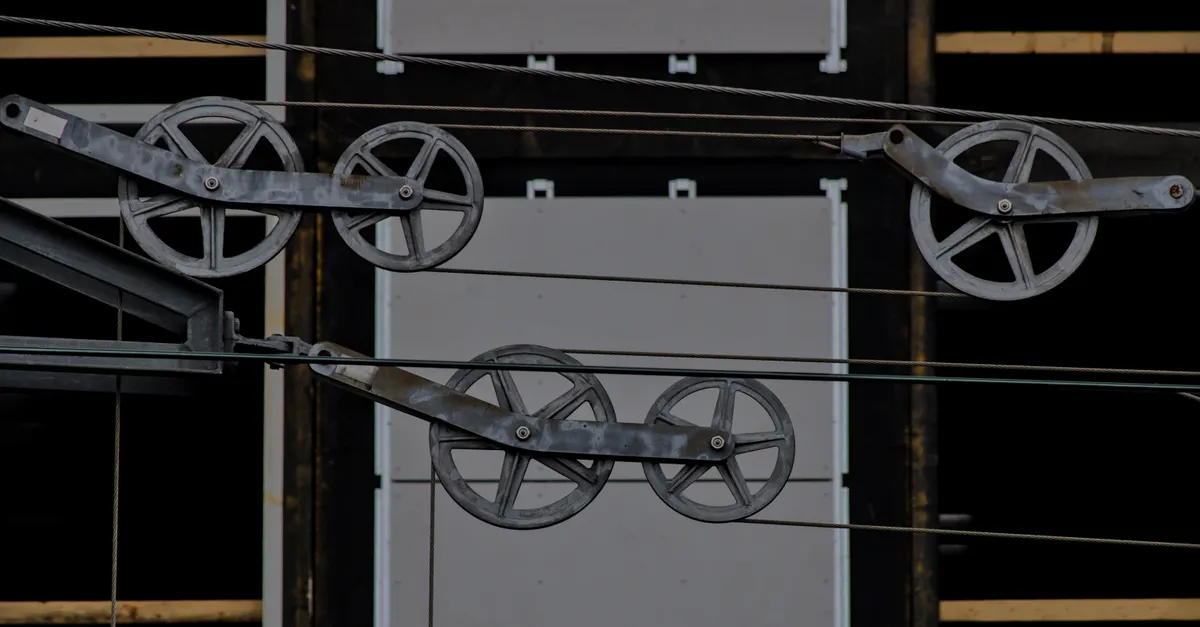
- Worn pulleys or drums that allow slack to develop
- Frayed or stretched cables from years of use
- Improper cable winding during previous repairs
- Broken or weak springs affecting cable tension
When a cable is loose, you might notice the door hangs unevenly, moves jerkily, or leaves gaps at the bottom. Addressing these symptoms early helps avoid more serious failures.
Safety Precautions Before Tightening Garage Door Cables
Working with garage door cables involves risks, especially if your system uses torsion springs. Always follow these safety guidelines:
- Disconnect the power to the garage door opener before starting.
- Keep the door fully closed to minimize spring tension and prevent accidental movement.
- Wear safety glasses and gloves to protect against sudden cable movement.
- Never attempt to adjust or remove torsion springs unless you have professional experience.
If you’re unsure about any step or notice severe cable damage, it’s best to contact a qualified technician.
How to Identify a Loose Garage Door Cable
Spotting a garage door cable loose is usually straightforward. Look for these signs:
- Visible slack or sagging in the cable when the door is closed
- The door appears crooked or doesn’t sit flush with the ground
- Unusual noises, such as scraping or popping, during operation
- Difficulty lifting or lowering the door manually
Regular inspection can help you catch these issues early. For seasonal maintenance tips, see the garage door cable seasonal maintenance resource.
Step-by-Step Guide: Tightening a Loose Garage Door Cable
Follow these steps to safely address a slack cable on most standard residential garage doors. This guide covers basic adjustments for extension spring systems, which are common in many homes.
- Gather your tools: You’ll need locking pliers, a wrench set, and a sturdy step ladder. Have replacement cables or pulleys on hand if needed.
- Release door tension: With the door fully closed, disconnect the opener and secure the door in place using locking pliers on the track.
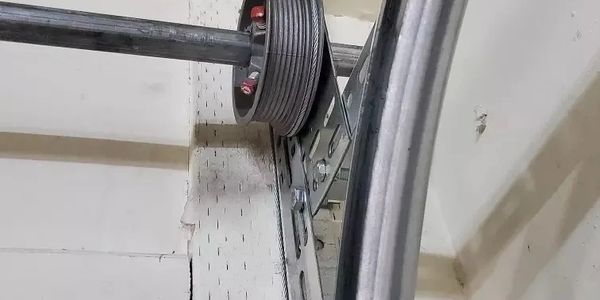
- Locate the loose cable: Inspect both sides of the door. Identify which cable has slack or is off the drum/pulley.
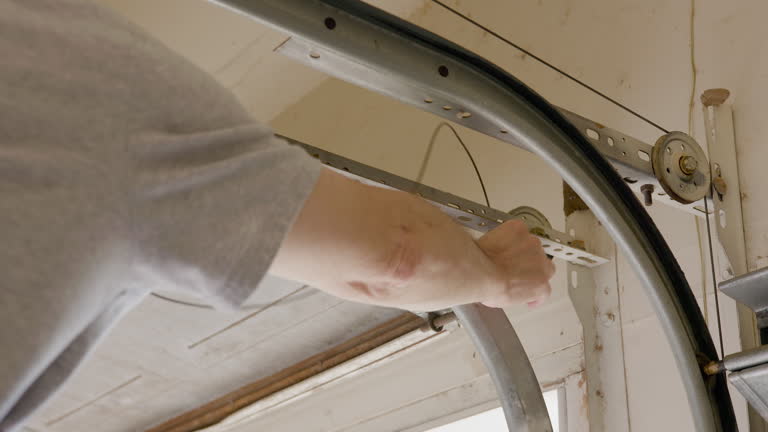
- Adjust the cable: For extension spring systems, you can usually tighten the cable by repositioning it on the hook or bracket at the bottom of the door. Remove the cable from the hook, pull it taut, and reattach it securely.
- Check the pulleys and drums: Ensure the cable is properly seated in the pulley or drum groove. Replace worn or damaged components as needed.
- Test the door: Remove the locking pliers and manually lift the door a few inches. The door should move smoothly and stay balanced. Reconnect the opener and test automatic operation.
For torsion spring systems or if you encounter resistance, consult a professional. Adjusting torsion cables involves high tension and can be dangerous without the right tools and training.
When to Replace Instead of Tighten
Sometimes, tightening isn’t enough. Replace the cable if you notice:
- Fraying, rust, or broken strands
- Severe kinks or bends
- Visible corrosion or moisture damage
See the garage door cable moisture damage guide for tips on handling rust and corrosion. Using high-quality, galvanized cables helps prevent future issues and extends the lifespan of your garage door system.
Preventing Cable Loosening in the Future
Routine maintenance is the key to preventing cable slack and other garage door issues. Here are a few tips:
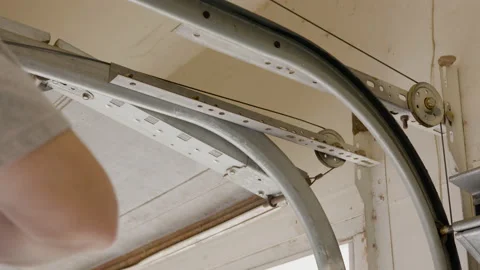
- Inspect cables and pulleys every few months for wear or corrosion
- Lubricate moving parts with a silicone-based spray
- Keep the tracks clean and free of debris
- Address minor issues before they become major repairs
For more on long-term care, see the garage door cable corrosion prevention guide. Understanding the garage door cable working principle can also help you spot problems early and maintain optimal performance.
Expert Tips for Safe DIY Cable Adjustments
While many homeowners can handle minor cable tightening, always keep safety at the forefront. Here are a few expert recommendations:
- Use the right tools and never force components into place
- Replace both cables if one shows significant wear for balanced operation
- Consult manufacturer instructions for your specific door model
- If the door is heavy or difficult to lift after adjustments, stop and seek professional help
For a detailed explanation of cable function and system design, visit this resource on what garage door cables do.
Frequently Asked Questions
How do I know if my garage door cable is too loose?
Common signs include a sagging cable, uneven door movement, or the door not closing all the way. If you hear scraping noises or see the cable off its drum or pulley, it’s time to inspect and possibly tighten or replace it.
Is it safe to tighten garage door cables myself?
For extension spring systems, minor adjustments are often safe if you follow proper precautions. However, if your door uses torsion springs or you feel unsure, it’s best to hire a professional to avoid injury.
How often should I check my garage door cables?
Inspect cables every three to six months as part of regular garage door maintenance. Look for fraying, corrosion, or slack, and address issues promptly to prevent bigger problems.
Conclusion
Dealing with a garage door cable loose is a common maintenance task that, when handled correctly, keeps your door operating safely and efficiently. By following the steps outlined above and prioritizing safety, you can often resolve minor slack issues yourself. For complex repairs or if you encounter damaged cables, don’t hesitate to call a professional. Regular inspection and care will help prevent future cable problems and extend the life of your garage door system.