Garage doors rely on strong, well-maintained cables to operate smoothly and safely. When these cables wear out, fray, or snap, your garage door can become stuck, unbalanced, or even dangerous to use. This garage door cable repair guide is designed to help homeowners understand the basics of cable issues, identify when repairs are possible, and perform safe troubleshooting steps. Whether you’re dealing with a minor cable issue or considering a full replacement, knowing the right approach is crucial for both safety and long-term reliability.
Before diving into hands-on repairs, it’s important to recognize the risks involved. Garage door cables are under significant tension, especially in systems with torsion or extension springs. Attempting repairs without the right knowledge or tools can lead to injury. If you’re unsure at any step, it’s always wise to consult a professional or refer to a garage door cable professional guide for advanced tips and specifications.
Understanding Garage Door Cable Types and Common Issues
Garage door cables come in several varieties, each suited to specific door mechanisms. The most common types include:
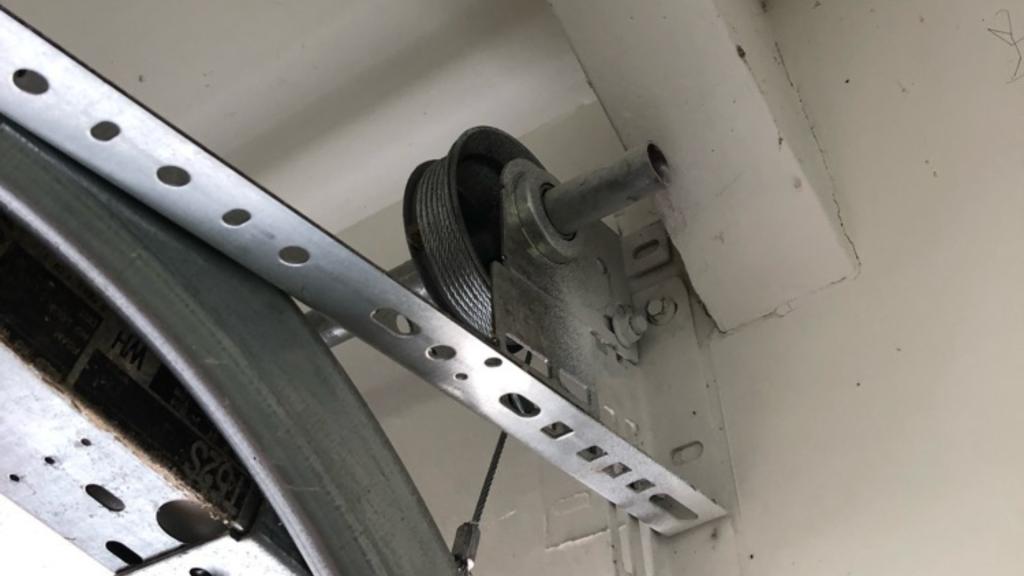
- Lifting cables – Found in torsion spring systems, these cables wind around drums to lift the door.
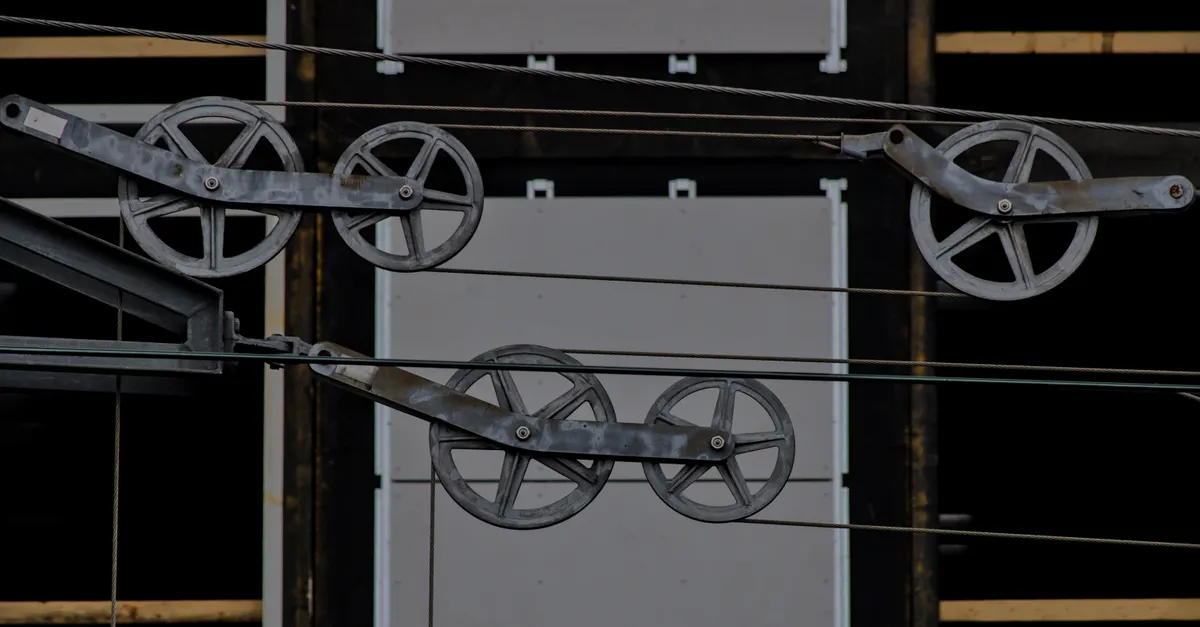
- Extension spring cables – Used in extension spring setups, these cables run along the sides and help balance the door.
- Safety cables – Installed inside extension springs to prevent injury if a spring breaks.
Each type of cable is prone to wear from friction, moisture, and repeated use. Signs of trouble include fraying, visible rust, kinks, or slack in the cable. If your garage door is uneven, jerky, or won’t open fully, cable issues are a likely culprit. For a detailed look at the different cable types, visit this overview of garage door cable varieties.
Safety Precautions Before Attempting Repairs
Working on garage door cables requires caution. Always follow these safety steps before starting any repair:
- Disconnect power to the garage door opener to prevent accidental activation.
- Release tension from the springs if possible, using manufacturer-recommended procedures.
- Wear gloves and eye protection to guard against sharp wires and debris.
- Use sturdy ladders and have a helper nearby for added safety.
If you notice severe cable damage, broken springs, or are unsure about the process, it’s best to call a professional. For seasonal care tips, check out this garage door cable seasonal maintenance guide.

Step-by-Step DIY Troubleshooting for Garage Door Cables
Troubleshooting garage door cable problems starts with a careful inspection. Here’s how to approach the process safely:
- Visual Inspection: With the door closed, look for frayed, loose, or broken cables along the sides of the door. Check for rust, kinks, or separation from the drum or pulley.
- Test Door Balance: Disconnect the opener and manually lift the door halfway. If it doesn’t stay in place, cables or springs may be worn.
- Listen for Unusual Sounds: Squeaking, grinding, or popping noises often indicate cable or pulley issues.
- Check Cable Tension: Cables should be taut but not overly tight. Excess slack or uneven tension can cause the door to operate poorly.
For more advanced troubleshooting, refer to a guide on moisture damage and rust fixes to address corrosion-related problems.
How to Replace Damaged Garage Door Cables
If you’ve identified a damaged cable and are comfortable with basic tools, you can attempt a replacement. Here’s a simplified outline for a typical extension spring system:
- Open the door fully and secure it with C-clamps on both tracks.
- Detach the old cable from the bottom bracket and pulley.
- Thread the new cable through the pulley and attach it to the bracket.
- Ensure the cable is routed correctly and tension is even on both sides.
- Remove the clamps and test the door’s movement by hand.
Always use cables rated for your door’s weight and type. If you’re working with a torsion spring system, consider professional help, as these springs are under extreme tension and can be hazardous. For more technical details, see this resource on winter cable issues that can affect replacement procedures.
Preventive Maintenance and Care for Garage Door Cables
Regular maintenance can extend the life of your garage door cables and prevent unexpected failures. Here are some practical tips:
- Inspect cables monthly for signs of wear, rust, or fraying.
- Lubricate moving parts with a silicone-based spray to reduce friction.
- Keep cables dry and clean to prevent corrosion. Address any water leaks or condensation in your garage.
- Schedule annual professional inspections to catch issues early, especially if your door is used frequently.
For more on preventing rust and corrosion, see the ultimate care guide for cable corrosion prevention.
When to Call a Professional for Garage Door Cable Repairs
While many minor cable issues can be handled by experienced DIYers, certain situations call for professional expertise:
- The cable has snapped and the door is stuck or unbalanced.
- You notice broken or stretched springs in addition to cable problems.
- The cable is off the drum in a torsion spring system.
- You’re unsure about the repair process or lack the proper tools.
Professional technicians have the experience and equipment to safely handle high-tension components and ensure your door operates correctly. Attempting complex repairs without proper training can lead to injury or further damage.
FAQ: Garage Door Cable Troubleshooting and Repair
What are the signs that my garage door cables need repair?
Common indicators include visible fraying, rust, or kinks in the cable, the door moving unevenly, getting stuck, or making unusual noises. If you notice slack cables or the door doesn’t stay open, it’s time for an inspection.
Can I replace garage door cables myself?
Homeowners with basic mechanical skills can often replace extension spring cables, provided they follow safety precautions and use the correct parts. However, repairs involving torsion springs or severe cable damage should be left to professionals due to the risk of injury.
How often should garage door cables be inspected?
It’s best to inspect cables at least once a month for signs of wear, corrosion, or damage. Regular checks help catch problems early and prevent costly repairs or accidents.
What causes garage door cables to fail?
Cables can fail due to age, frequent use, exposure to moisture, lack of lubrication, or improper installation. Environmental factors like humidity and salt can accelerate corrosion, especially in coastal areas.
Is it safe to use my garage door if a cable is frayed or broken?
No, using a garage door with a damaged cable is unsafe. The door can become unbalanced, fall unexpectedly, or cause further damage to other components. Stop using the door and arrange for repairs as soon as possible.