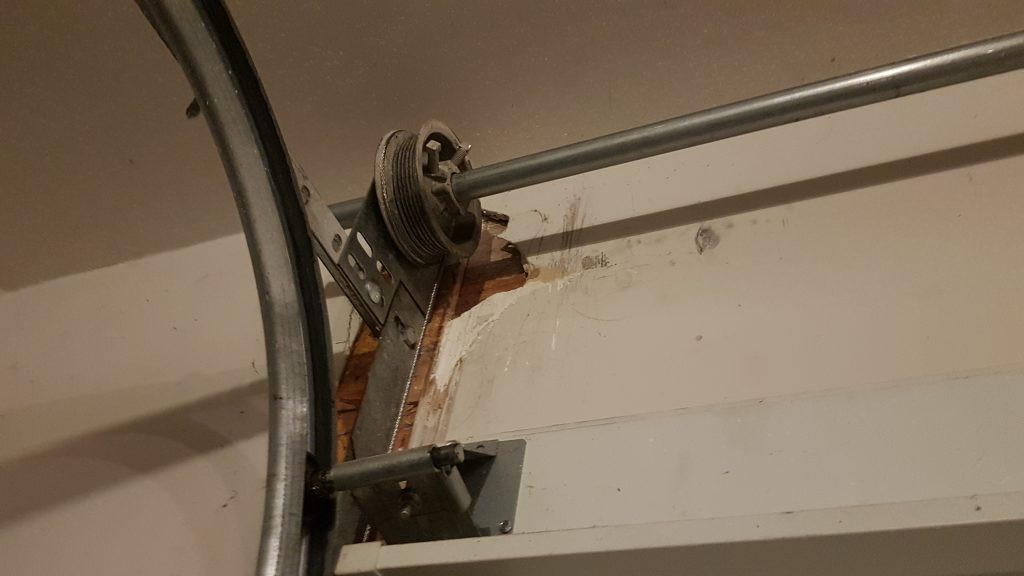
Garage doors rely on strong, flexible cables to lift and lower safely. Over time, these cables can become vulnerable to garage door cable corrosion, which threatens the reliability and safety of your entire system. Understanding what leads to cable deterioration, how to spot early signs, and when to replace cables is essential for homeowners who want to avoid costly repairs or dangerous failures.
This article explores the main causes of cable rust, practical steps for prevention, and the essential rules for safe replacement. For those seeking more technical details or advanced troubleshooting, the garage door cable professional guide offers in-depth advice and specifications.
Why Garage Door Cables Rust and Deteriorate
Steel cables are designed to be durable, but several environmental and mechanical factors can accelerate corrosion. The most common contributors include:
- Moisture Exposure: Rain, snow, and high humidity introduce water to the garage environment. When cables are exposed to moisture, especially if the garage isn’t well-sealed, rust can form quickly.
- Salt and Chemicals: In colder climates, road salt and de-icing chemicals can be tracked into the garage. These substances are highly corrosive to metal, speeding up the breakdown of cable strands.
- Lack of Maintenance: Without regular inspection and lubrication, cables are more likely to develop rust. Dirt and debris can also trap moisture against the metal, worsening the problem.
- Age and Wear: Over years of use, cables naturally weaken. Friction, bending, and repeated tension cycles can create small cracks or worn spots that become entry points for corrosion.
For a comprehensive approach to stopping rust before it starts, see the garage door cable corrosion prevention guide, which covers cleaning, lubrication, and protective coatings.
Recognizing the Signs of Cable Corrosion
Spotting early warning signs can help you address cable issues before they lead to a failure. Look for the following indicators:
- Visible Rust: Orange or brown discoloration on the cable surface is a clear sign of corrosion.
- Fraying or Broken Strands: As rust weakens the metal, individual wires may snap, leading to frayed sections.
- Stiff or Noisy Operation: Corroded cables may not move smoothly over pulleys, causing jerky movement or squeaking sounds.
- Uneven Door Movement: If one cable is more corroded than the other, the door may lift unevenly or become misaligned.
It’s important to address these symptoms immediately. Ignoring them can result in sudden cable failure, which may cause the door to drop unexpectedly or become stuck.
How Corrosion Impacts Garage Door Safety
Corroded cables are a serious safety hazard. The cables bear the full weight of the garage door, and even minor rust can significantly reduce their strength. If a cable snaps, the door may crash down, potentially causing injury or property damage. In addition, a failing cable can put extra strain on other components, such as springs and pulleys, leading to more extensive repairs.
Routine inspection is crucial. If you notice any signs of rust or fraying, stop using the door and arrange for a replacement as soon as possible. For more on the risks of moisture and rust, the garage door cable moisture damage resource explains how water exposure accelerates cable failure and what to do about it.
Replacement Rules for Damaged Garage Door Cables
Replacing corroded cables is not just a matter of convenience—it’s a safety requirement. Here are the key rules to follow when dealing with cable replacement:
- Replace Both Cables: Even if only one cable shows visible rust or damage, it’s best practice to replace both at the same time. This ensures balanced operation and prevents uneven wear.
- Choose the Right Cable Type: Garage doors use either torsion or extension spring systems, each requiring specific cable types. Always match the replacement cable to your door’s design and weight.
- Use Quality Materials: Opt for galvanized or stainless steel cables, which offer better resistance to corrosion than standard steel.
- Follow Manufacturer Specifications: Cable length, thickness, and end fittings must match the original equipment. Incorrect sizing can lead to operational issues or premature failure.
- Prioritize Safety: Garage door cables are under high tension. If you’re not experienced with garage door repairs, hire a professional to avoid injury.
For those considering a full system update, the garage door cable system upgrade guide covers modern cable options and enhanced safety features.
Preventing Cable Corrosion and Extending Lifespan
While it’s impossible to eliminate all risk, several maintenance habits can greatly reduce the chances of cable rust:
- Keep the Garage Dry: Use weatherstripping and ensure proper drainage to minimize water intrusion.
- Clean and Lubricate Regularly: Wipe down cables to remove dirt and apply a silicone-based lubricant to protect against moisture.
- Inspect Seasonally: Check cables for rust, fraying, or stiffness at least twice a year, especially after winter or wet seasons. The garage door cable seasonal maintenance guide provides a helpful checklist for year-round care.
- Address Leaks and Spills Promptly: Clean up any water, salt, or chemical spills in the garage to prevent them from reaching the cables.
For more do’s and don’ts, this expert guide on garage door cable safety offers additional tips on what to avoid and how to handle cable issues responsibly.
Frequently Asked Questions
How often should I inspect my garage door cables for corrosion?
It’s recommended to inspect cables at least twice a year—ideally in spring and fall. If you live in a humid or coastal area, or if your garage is exposed to road salt, check more frequently. Early detection of rust or fraying can prevent sudden failures and costly repairs.
Can I repair a corroded garage door cable, or does it need full replacement?
Once corrosion is visible, the cable’s strength is compromised. Temporary fixes are not safe or reliable. The best practice is to replace the affected cable(s) with new, high-quality ones to restore safe operation.
What type of lubricant is best for preventing cable rust?
Use a silicone-based or garage door-specific spray lubricant. Avoid heavy oils or grease, as they can attract dust and debris, which may worsen corrosion over time. Apply lubricant sparingly and wipe away any excess.
Is it safe to replace garage door cables myself?
Garage door cables are under significant tension and can cause injury if handled improperly. If you have experience with garage door systems and the right tools, you may attempt replacement. However, most homeowners should hire a professional to ensure safety and proper installation.
By understanding the causes of cable rust, following replacement best practices, and maintaining your system, you can keep your garage door operating safely for years to come.