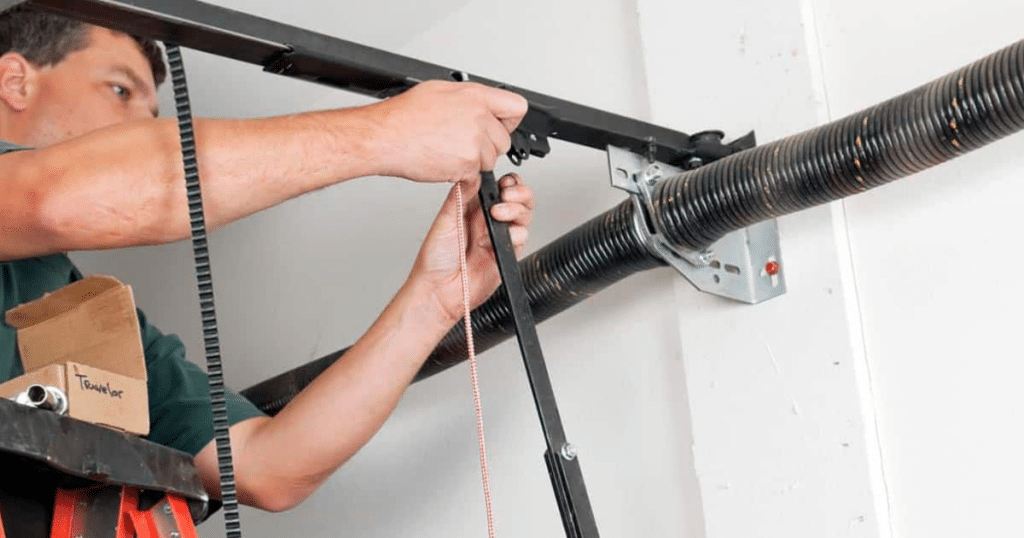
Understanding the garage door cable cost factors is essential for homeowners planning repairs or replacements. The price of replacing or repairing garage door cables can vary widely, depending on several variables. Knowing what influences these expenses helps you budget effectively and avoid unexpected costs. In this article, we’ll explore the main elements that impact garage door cable pricing, from the type of cable to labor and maintenance considerations.
For those looking to dive deeper into technical details and maintenance advice, the garage door cable professional guide offers expert tips and specifications to help you make informed decisions.
Main Elements That Influence Garage Door Cable Pricing
Several components contribute to the overall expense of garage door cable work. Let’s break down the most significant garage door cable cost factors:
- Type of Cable: Torsion and extension cables differ in price. Torsion cables are generally more robust and may cost more than extension cables, which are often used in lighter doors.
- Material Quality: Cables made from galvanized steel or stainless steel offer better durability but can increase the total cost.
- Garage Door Size and Weight: Heavier or oversized doors require thicker, stronger cables, which are more expensive than standard options.
- Labor Charges: Professional installation or repair services will add to your expenses, especially if emergency or after-hours service is needed.
- Geographic Location: Prices can vary by region due to labor rates, availability of parts, and local demand.
Types of Garage Door Cables and Their Impact on Cost
The type of cable required for your garage door is one of the primary garage door cable cost factors. Here’s how different cables affect your budget:
- Torsion Spring Cables: These are designed for doors with torsion spring systems. They are typically thicker and more durable, which can increase the material cost.
- Extension Spring Cables: Used with extension spring systems, these cables are usually less expensive but may require more frequent replacement in high-use doors.
- Safety Cables: Installed as a backup, safety cables are an added expense but are crucial for preventing accidents if a spring breaks.
Material and Build Quality
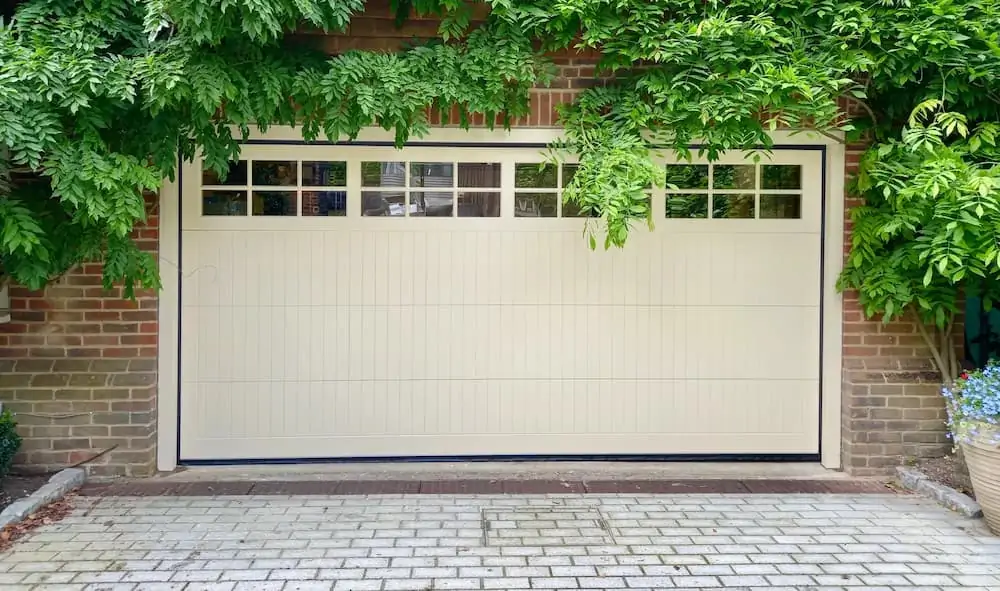
When considering garage door cable cost factors, material quality is a key aspect. Most cables are made from galvanized steel, which resists rust and corrosion. Stainless steel cables are also available and offer even greater longevity, but at a higher price point. The thickness (gauge) of the cable also matters; thicker cables are stronger and last longer, but they cost more up front.
For guidance on preventing rust and corrosion, see the garage door cable corrosion prevention guide, which offers practical tips for extending cable life and minimizing replacement costs.
Labor and Installation Expenses
Professional installation is strongly recommended for garage door cables due to the tension and safety risks involved. Labor costs can vary depending on the complexity of the job, your location, and whether additional repairs are needed. Standard service calls may range from $75 to $200, while emergency or after-hours work can be higher. Some companies include the cost of cables in their service fee, while others charge separately for parts and labor.
Additional Expenses to Consider
Beyond the cables and installation, other factors may influence your total outlay:
- Pulleys and Drums: Worn or damaged pulleys and drums may need to be replaced along with the cables, adding to the overall cost.
- Brackets and Fasteners: Hardware that secures the cables may also require replacement, especially if it shows signs of wear or corrosion.
- Maintenance: Regular inspections and lubrication can extend cable life and reduce the frequency of replacements, saving money in the long run.
For seasonal care tips, the garage door cable seasonal maintenance article provides a comprehensive overview of winter and summer maintenance routines.
How Regional Differences Affect Pricing
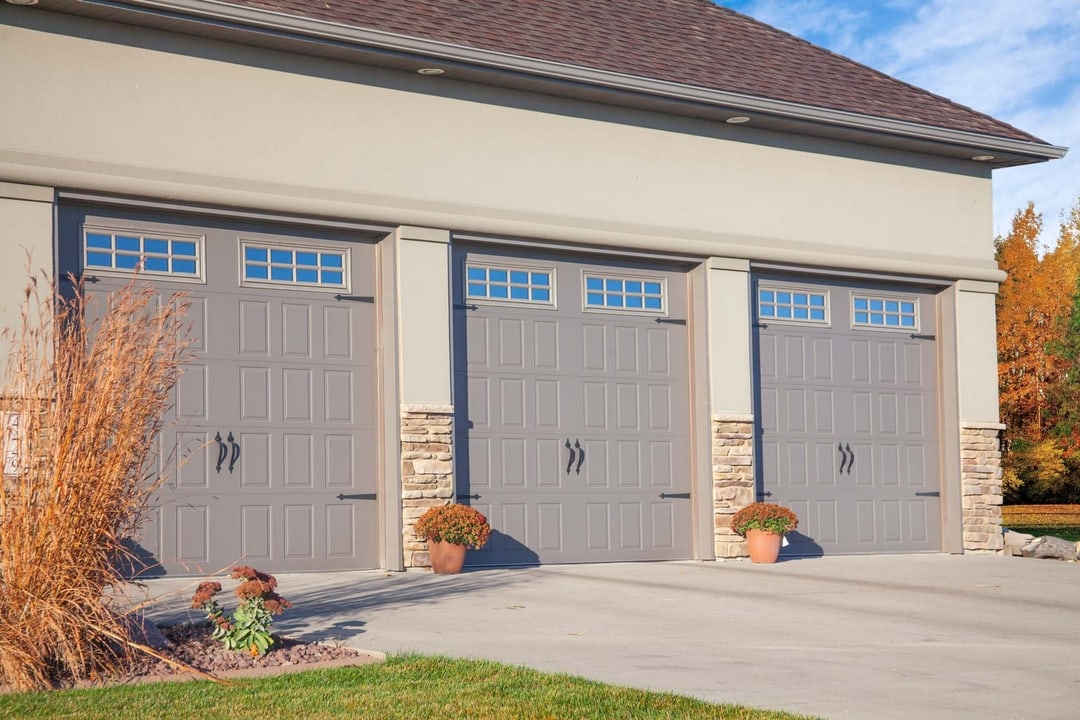
Where you live can significantly impact the cost of garage door cable repairs or replacements. Urban areas with higher labor rates and greater demand for service may see higher prices. In contrast, rural locations might have lower labor costs but could face increased part prices due to shipping or limited local supply. Always request quotes from multiple providers in your area to ensure competitive pricing.
DIY vs. Professional Service: Weighing the Costs
Some homeowners consider replacing garage door cables themselves to save money. While DIY kits are available, this approach comes with safety risks and may void warranties. Professional services ensure the job is done safely and correctly, often with a warranty on parts and labor. If you do choose to tackle the job yourself, make sure to use high-quality parts and follow safety protocols closely.
For a detailed look at the dos and don’ts of cable maintenance, see this comprehensive guide to garage door cable safety.
Tips for Reducing Garage Door Cable Expenses
While some costs are unavoidable, there are ways to minimize your expenses:
- Regular Maintenance: Lubricate cables and inspect hardware regularly to catch issues early.
- Address Issues Promptly: Don’t delay repairs, as damaged cables can lead to more expensive problems.
- Compare Quotes: Get estimates from several service providers to find the best value.
- Bundle Repairs: If other garage door components need attention, combine repairs to save on labor costs.
For more on preventing damage from moisture, check out the garage door cable moisture damage resource, which covers rust prevention and repair tips.
FAQ: Common Questions About Garage Door Cable Expenses
What is the average price to replace garage door cables?
The typical cost to replace garage door cables ranges from $100 to $250, including parts and labor. The final amount depends on the type of cable, door size, and local labor rates.
Are there signs that indicate cables need replacement?
Yes. Fraying, rust, visible wear, or a garage door that doesn’t open or close smoothly are common signs that cables may need attention. Addressing these issues early can prevent more costly repairs.
Can I replace garage door cables myself to save money?
While DIY replacement is possible, it’s risky due to the high tension in garage door systems. Professional service is recommended for safety and to ensure proper installation.
How can I extend the lifespan of my garage door cables?
Regular maintenance, such as lubricating cables and checking for rust or fraying, helps prolong cable life. Keeping the door balanced and addressing issues promptly also reduces wear and tear.
Do all garage doors use the same type of cable?
No. The type of cable required depends on the door’s spring system (torsion or extension), size, and weight. Using the correct cable is essential for safe and reliable operation.