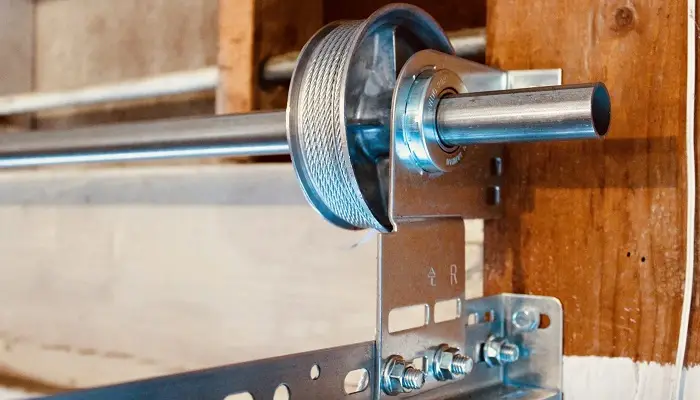
When it comes to garage door cable industrial use, the demands are far greater than those for residential settings. Industrial garage doors are heavier, cycle more frequently, and must meet strict safety and durability standards. Choosing the right cable is essential for ensuring reliable operation, minimizing downtime, and maintaining workplace safety.
This guide explores the essential specifications, materials, and standards for industrial garage door cables. You’ll learn what sets these cables apart, how to select the correct type for your facility, and how to maintain them for long-term performance. For a deeper technical dive, you can also consult the garage door cable professional guide for additional tips and specs.
Understanding Industrial Garage Door Cable Requirements
Industrial environments, such as warehouses, factories, and distribution centers, require cables that can withstand frequent operation and heavy loads. Garage door cable industrial use involves unique requirements, including:
- High load capacity to support oversized and insulated doors
- Enhanced abrasion resistance for longevity in demanding settings
- Corrosion protection to withstand moisture, chemicals, and temperature extremes
- Compliance with safety standards and regulations
Unlike residential cables, industrial-grade options are engineered for maximum strength and reliability. Selecting the correct cable type is crucial for both safety and operational efficiency.
Key Specifications for Maximum Strength
When evaluating cables for heavy-duty applications, several technical specs should be considered. The following table summarizes the most important factors:
| Specification | Industrial Standard | Importance |
|---|---|---|
| Cable Diameter | 3/16″ – 1/4″ (4.8mm – 6.4mm) | Determines load capacity and compatibility with drums |
| Construction | 7×19 or 7×7 galvanized steel | Impacts flexibility and strength |
| Tensile Strength | Up to 4,200 lbs (1,905 kg) or more | Ensures safe lifting of large doors |
| Coating | Galvanized or stainless steel | Prevents corrosion and extends lifespan |
| End Fittings | Heavy-duty loops, thimbles, or swaged ends | Provides secure attachment to drums and brackets |
For most industrial doors, a 7×19 galvanized steel cable with a minimum diameter of 3/16″ is recommended. Stainless steel options are preferred in corrosive or coastal environments.
Material Choices for Industrial Durability
The material composition of a cable directly affects its strength, flexibility, and resistance to environmental hazards. The two most common materials for industrial garage door cables are:
- Galvanized Steel: Offers a balance of strength, flexibility, and corrosion resistance. Suitable for most indoor and dry environments.
- Stainless Steel: Provides superior corrosion protection and is ideal for outdoor, humid, or chemical-prone locations. Slightly more expensive but offers longer service life.
Both materials can be paired with protective coatings or plastic sheaths for added durability. For advice on preventing rust and corrosion, refer to the garage door cable corrosion prevention guide.
Installation and Safety Considerations
Proper installation is critical for both performance and safety. Industrial cables must be installed by trained professionals who understand the high tension and weight involved. Key safety tips include:
- Always use cables rated for the specific door weight and cycle frequency.
- Inspect cables regularly for fraying, corrosion, or kinks.
- Replace both cables at the same time to ensure balanced operation.
- Never attempt to adjust or replace cables under tension without proper tools and training.
If you notice any signs of wear or malfunction, consult a specialist or refer to a step-by-step guide for fixing garage door cables to understand the risks and procedures.
Maintenance for Long-Term Performance
Routine maintenance extends the life of industrial cables and prevents unexpected failures. Here are some best practices:
- Lubricate cables with a light oil to reduce friction and prevent rust.
- Keep the door tracks and pulleys clean and free of debris.
- Schedule professional inspections at least once a year, or more frequently for high-cycle doors.
- Monitor for signs of moisture damage, especially in humid or wet environments. For more on this, see the garage door cable moisture damage guide.
Proactive care not only improves safety but also reduces costly downtime and repairs.
Modern Upgrades and System Enhancements
Advancements in cable technology and door systems have improved safety and efficiency for industrial settings. Upgrading to modern cable systems can offer:
- Increased load ratings for larger or insulated doors
- Improved corrosion resistance for harsh environments
- Quieter and smoother operation
- Enhanced safety features, such as breakaway cables and redundant supports
If your facility is using older hardware, consider a garage door cable system upgrade to boost performance and reduce maintenance costs.
Seasonal and Environmental Adaptations
Industrial garage doors are exposed to a variety of environmental challenges. Seasonal temperature swings, humidity, and exposure to chemicals can all impact cable performance. To ensure reliability:
- Choose cables with appropriate coatings for your climate.
- Increase inspection frequency during winter and summer extremes.
- Apply anti-corrosion treatments as needed.
For tailored advice on year-round care, see the garage door cable seasonal maintenance guide.
Frequently Asked Questions
What is the recommended cable diameter for industrial garage doors?
Most industrial doors require cables between 3/16″ and 1/4″ in diameter. The exact size depends on the door’s weight and usage frequency. Thicker cables provide higher load capacity and increased durability.
How often should industrial garage door cables be replaced?
Replacement intervals depend on usage, environment, and maintenance. High-cycle doors may need new cables every 3–5 years, while lower-use doors can last longer. Always replace cables at the first sign of fraying, corrosion, or visible wear.
Are galvanized or stainless steel cables better for industrial use?
Galvanized steel is suitable for most indoor and dry environments due to its balance of cost and durability. Stainless steel is preferred for outdoor, humid, or chemical-prone locations thanks to its superior corrosion resistance.