Regularly checking your garage door cables is essential for keeping your garage door operating smoothly and safely. Over time, cables can wear out, fray, or even snap, leading to sudden breakdowns or safety hazards. Knowing how to examine these components properly can help you spot issues early and avoid costly repairs or injuries.
This guide covers the key steps and safety tips for a thorough garage door cable inspection. You’ll learn what signs of wear to look for, how to approach the task carefully, and what to do if you find a problem. If you’re new to this topic, you might also find the garage door cable beginner guide helpful for understanding the basics before diving into inspection details.
Why Inspecting Garage Door Cables Matters
Garage door cables are a critical part of the lifting system. They work alongside springs and pulleys to raise and lower the door safely. If a cable fails, the door can become unbalanced or even fall unexpectedly. This not only risks property damage but also poses a significant safety hazard for anyone nearby.
Routine checks help you catch early signs of trouble, such as fraying, rust, or loose connections. Addressing these issues promptly can extend the life of your door and prevent emergencies. For more on common issues and quick solutions, see the garage door cable common problems article.
Safety Precautions Before You Begin
Before starting any inspection, prioritize safety. Garage door cables are under high tension, especially when the door is closed. Mishandling them can lead to serious injury. Here are some important precautions:
- Disconnect the opener: Unplug the automatic opener or turn off its power source to prevent accidental activation.
- Keep the door closed: Inspect cables with the door in the closed position to minimize tension and risk.
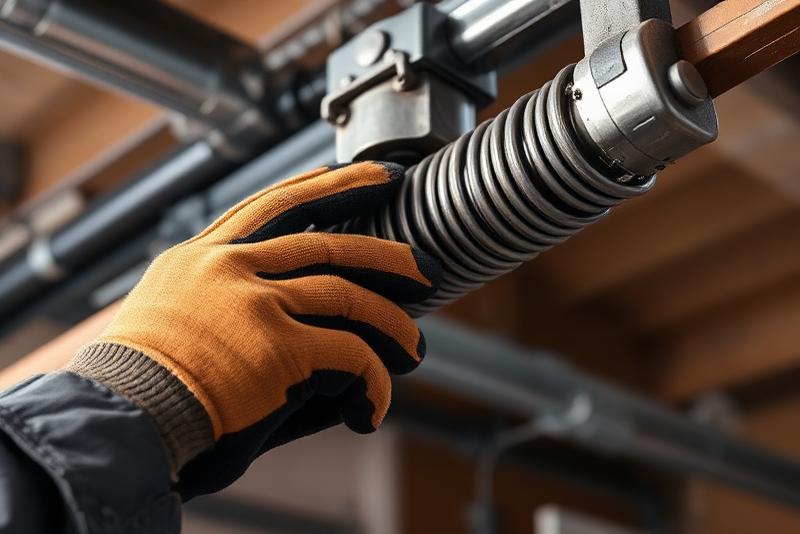
- Wear protective gear: Use gloves and safety glasses to protect your hands and eyes from sharp wires or debris.
- Do not attempt repairs: If you spot major damage or a broken cable, avoid DIY fixes. Contact a professional for repairs.
Step-by-Step Guide to Garage Door Cable Inspection
Follow these steps to check your cables thoroughly and safely:
-
Visual Assessment:
- Stand back and look at both sides of the door. The cables should run straight from the bottom bracket to the drum or pulley.
- Check for sagging, kinks, or cables that appear out of alignment.
-
Inspect for Fraying and Wear:
- Look closely for broken strands, frayed sections, or unraveling wires. Even minor fraying can weaken the cable and lead to failure.
- Check the entire length, especially near the bottom bracket and drum where wear is most common.
-
Check for Rust and Corrosion:
- Rust can eat away at the metal, making cables brittle. Look for orange or brown discoloration, especially in humid or coastal areas.
- If you see significant corrosion, replacement is usually necessary.
-
Examine Attachments and Hardware:
- Ensure that the cable is securely attached to the bottom bracket and drum or pulley. Loose nuts, bolts, or fasteners can cause the cable to slip or detach.
- Check for any signs of wear on the pulleys or drums themselves.
-
Listen for Unusual Noises:
- Operate the door manually (if safe) and listen for scraping, grinding, or snapping sounds. These can indicate cable or hardware issues.
Common Signs Your Garage Door Cables Need Attention
Spotting early warning signs can save you from unexpected breakdowns. Here are the most common indicators that your cables may need repair or replacement:
- Visible fraying or broken strands: Any sign of unraveling means the cable is compromised.
- Rust or corrosion: Discoloration or pitting along the cable weakens its structure.
- Loose or slipping cables: If the cable appears slack or has come off the drum/pulley, the door may not open or close evenly.
- Unusual noises: Squeaking, scraping, or popping sounds during operation can indicate cable or hardware issues.
- Door imbalance: If the door looks crooked or moves unevenly, a cable may be stretched or broken.
For more ways to prevent these issues, check out the garage door cable prevention tips for proactive maintenance strategies.
Types of Garage Door Cables and Their Role
Understanding the different types of cables can help you identify what to look for during inspection. Most residential garage doors use one of two main types:
- Lifting cables: Found on doors with torsion springs, these cables wind around a drum as the door opens.
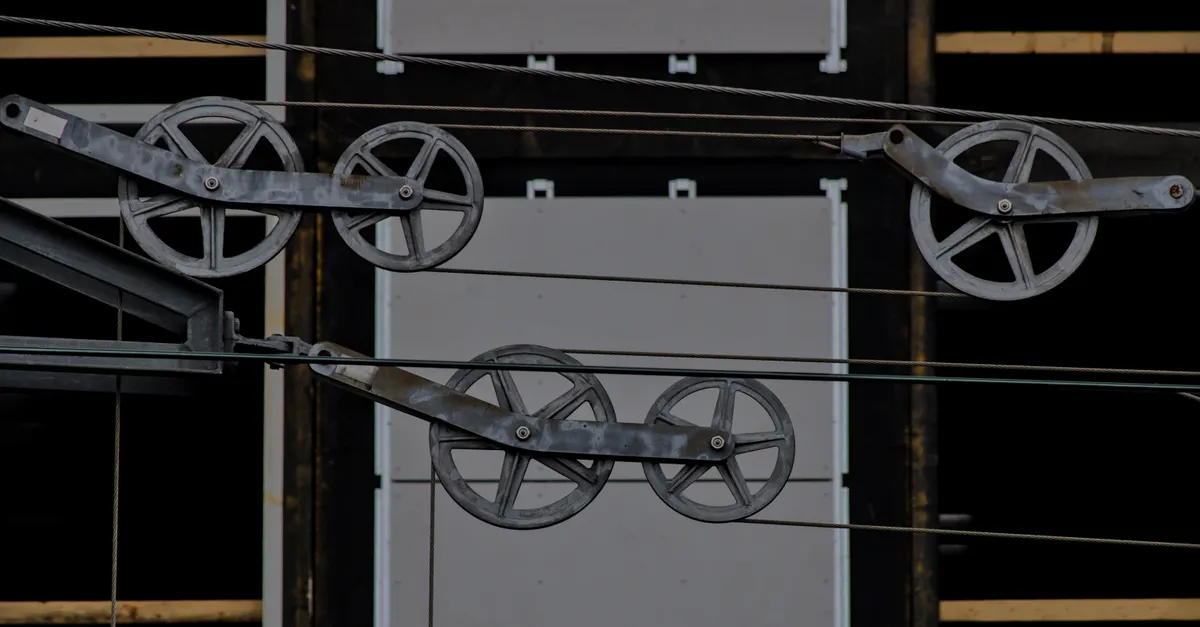
- Extension spring cables: Used with extension spring systems, these run through pulleys and help support the door’s weight.
Both types are essential for safe operation. For a deeper explanation of their function, see this detailed overview of garage door cables.
When to Call a Professional
While basic inspections can be done by most homeowners, repairs or replacements should be left to trained technicians. Garage door cables are under significant tension, and improper handling can result in serious injury. If you notice any of the following, contact a professional:
- Severe fraying or broken cables
- Cables that have come off the drum or pulley
- Door that will not open or close properly
- Visible damage to drums, pulleys, or brackets
Professional service ensures that repairs are done safely and correctly. For those interested in technical details or advanced troubleshooting, the garage door cable professional guide provides further insights.
Maintenance Tips for Longer Cable Life
Regular care can extend the lifespan of your garage door cables and reduce the risk of sudden failures. Here are some practical tips:
- Inspect cables every 6–12 months: Make inspection part of your seasonal home maintenance routine.
- Keep cables clean: Wipe away dust and debris to prevent buildup that can cause wear.
- Lubricate pulleys and drums: Use a silicone-based lubricant on moving parts, but avoid getting lubricant directly on the cables.
- Address minor issues promptly: If you see early signs of wear, schedule professional maintenance before the problem worsens.
For smoother operation and improved efficiency, see tips on garage door cable efficiency to keep your system running effortlessly.
Frequently Asked Questions
How often should I check my garage door cables?
It’s best to perform a garage door cable inspection at least once or twice a year. If you use your garage door frequently or live in a harsh climate, consider checking more often.
What should I do if I find a frayed cable?
If you notice fraying, stop using the door and contact a professional for replacement. Continuing to operate the door can cause the cable to snap, leading to further damage or injury.
Can I replace garage door cables myself?
Replacing cables is a complex and potentially dangerous task due to the high tension involved. For safety, it’s strongly recommended to hire a qualified technician for any repairs or replacements.