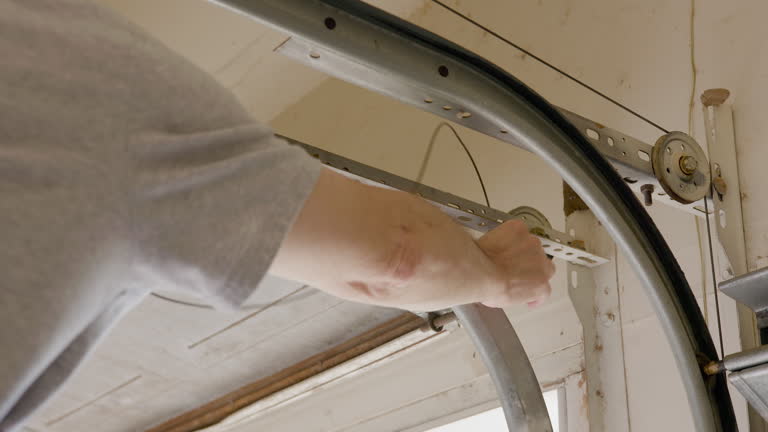
Installing or replacing garage door cables is a task that many homeowners attempt themselves, but it’s an area where errors can lead to serious safety risks and costly repairs. Understanding the most common garage door cable installation mistakes is key to ensuring your door operates smoothly and safely. Whether you’re a DIY enthusiast or simply want to be informed before hiring a professional, this guide highlights what to watch out for and how to avoid the pitfalls that can compromise your garage door’s performance.
Before diving into the details, it’s helpful to understand how cables function within your garage door system. Cables are responsible for balancing the door’s weight and ensuring smooth movement. If you’re new to this topic, the garage door cable beginner guide offers a solid foundation on the basics for homeowners.
Why Proper Cable Installation Matters
Garage door cables are under significant tension and play a crucial role in the safe operation of your door. Incorrect installation can result in uneven lifting, cable slippage, or even catastrophic failure. Not only can these issues damage your door and opener, but they also pose a risk of injury. That’s why it’s essential to avoid the most frequent cable installation errors and follow best practices throughout the process.
Most Common Cable Installation Errors
Let’s look at the mistakes that occur most often during garage door cable replacement or installation, and how to prevent them.
1. Using the Wrong Cable Type or Size
One of the most frequent garage door cable installation mistakes is selecting cables that are not designed for your specific door system. Garage doors use either torsion or extension spring cables, and each requires a particular length, thickness, and strength rating. Using the wrong cable can lead to premature wear, uneven operation, or even sudden breakage.
- Check your door’s manufacturer recommendations before purchasing replacement cables.
- Never substitute cables designed for a different spring system.
- If in doubt, consult a professional or refer to a detailed guide on garage door cables to understand their function and specifications.
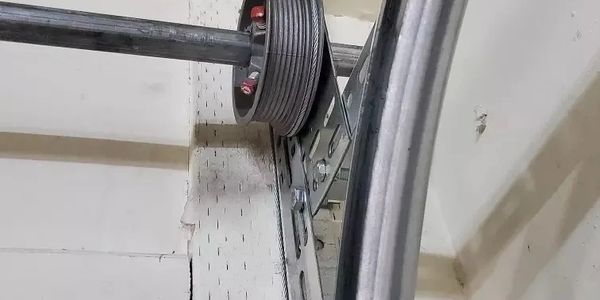
2. Incorrect Cable Routing and Attachment
Improper routing is another major source of trouble. Cables must be threaded through the correct pulleys and attached securely to the bottom bracket and drum (for torsion systems) or the extension spring pulley (for extension systems). Skipping a pulley, twisting the cable, or failing to anchor it properly can cause the cable to slip off, fray, or snap.
- Double-check the cable path before tensioning the springs.
- Ensure cables are not crossed, kinked, or rubbing against hardware.
- Use all supplied fasteners and never improvise with makeshift parts.
3. Failing to Release or Set Spring Tension Safely
Garage door springs store a tremendous amount of energy. Attempting to install or replace cables without first releasing spring tension is extremely dangerous. Conversely, failing to properly re-tension the springs after cable installation can result in a door that is unbalanced or won’t open and close smoothly.
- Always follow manufacturer instructions for releasing and setting spring tension.
- Use the correct tools, such as winding bars for torsion springs.
- If you’re unsure, consider hiring a professional to handle the spring adjustment.
4. Overlooking Cable Condition and Quality
Reusing old, frayed, or corroded cables is a shortcut that often leads to early failure. Even if the cables look intact, hidden damage can compromise their strength. Always inspect cables for signs of wear and replace them with high-quality, galvanized steel cables designed for your door type.
5. Ignoring Alignment and Balance Issues
After installing new cables, it’s essential to check that the door is balanced and moves evenly. If the door is crooked, binds, or makes unusual noises, there may be an issue with cable length, drum alignment, or spring tension. Address these problems immediately to avoid further damage.
For troubleshooting tips, see the garage door cable common problems resource for quick fixes and solutions.
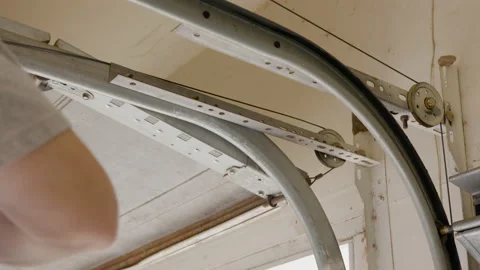
How to Prevent Costly Cable Installation Blunders
Taking a careful, step-by-step approach is the best way to avoid the most common garage door cable installation mistakes. Here are some practical tips to help you get it right:
- Read the Manual: Always refer to your garage door’s installation or service manual before starting any work.
- Gather the Right Tools: Use proper wrenches, winding bars, and safety equipment. Avoid makeshift tools that can slip or break.
- Replace in Pairs: If one cable is worn or broken, replace both to ensure even operation and prevent future issues.
- Inspect All Hardware: Check pulleys, drums, brackets, and fasteners for wear or damage. Replace any questionable parts.
- Test Door Balance: After installation, disconnect the opener and manually lift the door. It should move smoothly and stay open halfway. If not, recheck your work.
- Perform Regular Maintenance: Lubricate moving parts and inspect cables annually. For more tips, see the garage door cable prevention tips guide.
When to Call a Professional
While many homeowners can handle basic garage door maintenance, cable installation is not always a simple DIY job. If you’re uncomfortable working with high-tension springs, lack the proper tools, or encounter issues you can’t resolve, it’s best to call a qualified technician. Professional installers have the experience to avoid costly mistakes and ensure your door operates safely.
For those seeking more technical details, the garage door cable professional guide offers advanced tips and specifications for technicians and experienced DIYers.
FAQ
What are the signs that my garage door cables were installed incorrectly?
Common indicators include uneven door movement, cables slipping off the drum or pulley, excessive noise during operation, or the door failing to open or close completely. If you notice any of these issues, inspect the cable routing and attachment points, and check for frayed or loose cables.
Can I reuse old garage door cables if they look undamaged?
It’s not recommended to reuse old cables, even if they appear intact. Hidden corrosion, metal fatigue, or minor fraying can lead to sudden failure. Always use new, high-quality cables designed for your specific door system.
How often should garage door cables be replaced?
There’s no fixed schedule, as cable lifespan depends on usage, environment, and maintenance. However, inspect cables at least once a year for signs of wear, rust, or fraying. Replace them immediately if any damage is found, or as part of a major overhaul every 5–7 years for high-use doors.
Are there different cables for torsion and extension spring systems?
Yes, torsion and extension spring systems require different cable types and lengths. Using the wrong cable can cause operational problems or safety hazards. Always verify your system type and purchase cables that match the manufacturer’s specifications.
Conclusion
Avoiding garage door cable installation mistakes is essential for the safe and efficient operation of your garage door. By understanding the most common errors—such as using the wrong cable type, improper routing, neglecting spring tension, and ignoring alignment—you can prevent accidents and extend the life of your door. When in doubt, consult a professional or refer to trusted guides for additional support. Regular inspection and maintenance will help you catch issues early and keep your garage door running smoothly for years to come.