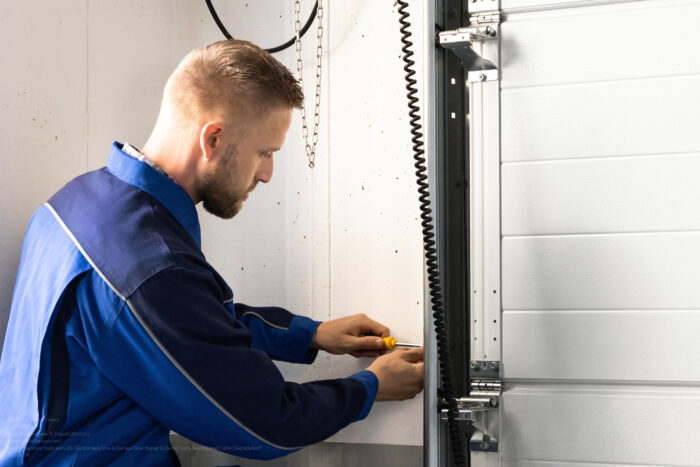
Proper care of your garage door cables is essential for the safety, reliability, and longevity of your garage door system. Cables play a critical role in supporting the door’s weight and ensuring smooth operation. Neglecting their upkeep can lead to unexpected failures, costly repairs, or even safety hazards. This garage door cable maintenance guide covers the essentials of inspecting, cleaning, and maintaining extension cables, along with expert tips to help you avoid common pitfalls and extend the life of your setup.
Whether you’re a homeowner looking to handle routine upkeep or you want to better understand when to call in a professional, this article provides actionable advice and resources. For those interested in a deeper technical dive, the garage door cable professional guide offers advanced tips and specifications for more complex repairs and upgrades.
Understanding Garage Door Cables and Their Importance
Garage door cables are heavy-duty wires that work in tandem with springs to lift and lower the door. There are two main types: torsion cables for torsion spring systems and extension cables for extension spring systems. Both require regular attention to prevent fraying, corrosion, or snapping, which could cause the door to malfunction or fall unexpectedly.
Extension cables, in particular, are under constant tension and can wear out over time. Regular maintenance ensures that your door remains balanced and operates smoothly, reducing the risk of sudden breakdowns and improving overall safety.
Step-by-Step Cable Inspection Checklist
Routine inspections are the foundation of any effective garage door cable maintenance guide. Here’s how to check your cables for signs of wear and tear:
- Visual Inspection: Look for frayed wires, rust, kinks, or broken strands along the entire length of the cable.
- Check Cable Tension: The cables should be taut but not overly tight. Sagging or loose cables may indicate a problem with the springs or pulleys.
- Examine Attachments: Inspect where the cables connect to the bottom bracket and pulleys. Ensure all fasteners are secure and free from corrosion.
- Listen for Noises: Unusual squeaking or grinding sounds during operation may signal cable or pulley issues.
If you notice any damage or excessive wear, it’s best to replace the cables promptly. For a comprehensive look at preventing future breakdowns, see the garage door cable prevention tips resource.
Cleaning and Lubricating Garage Door Cables
Keeping your cables clean and properly lubricated is a simple yet effective way to extend their lifespan. Here’s how to do it safely:
- Disconnect Power: Always unplug the garage door opener and secure the door in the open position before starting any maintenance.
- Remove Debris: Wipe the cables with a dry cloth to remove dust, dirt, and cobwebs. Avoid using water, as moisture can accelerate rust.
- Apply Lubricant: Use a garage door-specific lubricant on the cables and pulleys. Avoid heavy grease, which can attract dirt and cause buildup.
- Check for Corrosion: If you spot any rust, clean it off with a wire brush and apply a rust inhibitor. For more on this, the garage door cable corrosion prevention guide provides detailed steps.
Regular cleaning and lubrication not only prevent premature wear but also help you spot developing issues early.
Pro Tips for Maintaining Extension Cables
Extension cables require special attention due to the high tension they’re under. Here are some expert suggestions for keeping them in top shape:
- Replace in Pairs: If one cable shows signs of wear, replace both to maintain balanced operation.
- Inspect Pulleys: Worn or misaligned pulleys can cause cables to fray. Check pulleys for smooth rotation and replace if necessary.
- Seasonal Adjustments: Temperature changes can affect cable tension. Refer to the garage door cable seasonal maintenance article for tips on winter and summer care.
- Upgrade When Needed: If your system is outdated, consider a garage door cable system upgrade for improved safety and performance.
By following these tips, you can reduce the risk of sudden failures and keep your garage door running smoothly year-round.
When to Replace or Upgrade Your Cables
Even with diligent care, all cables have a finite lifespan. Here’s how to know when it’s time for a replacement or upgrade:
- Visible Damage: Fraying, broken strands, or rust that cannot be cleaned off are clear signs that replacement is needed.
- Door Operation Issues: If the door jerks, sticks, or becomes unbalanced, cables may be stretched or damaged.
- Age: If your cables are more than 5–7 years old, proactive replacement is a good idea, especially if you use your garage door frequently.
For those considering a system upgrade, modern cable and pulley kits offer enhanced durability and safety features. Always choose cables rated for your specific door size and weight. If you’re unsure, consult a professional or refer to a detailed garage door cable guide for more information.
Safety Precautions for DIY Maintenance
Working with garage door cables involves risks due to the high tension involved. Keep these safety tips in mind:
- Always disconnect the opener and secure the door before starting any work.
- Never attempt to adjust or replace cables while the springs are under tension unless you have proper training and tools.
- Wear gloves and eye protection to guard against accidental injuries.
- If in doubt, hire a professional technician to handle repairs or replacements.
Remember, your safety comes first. If a task feels beyond your comfort level, it’s best to leave it to the experts.
Frequently Asked Questions
How often should I inspect my garage door cables?
It’s recommended to inspect your cables at least twice a year. More frequent checks are advisable if you use your garage door daily or notice any changes in operation.
What are the signs that my extension cables need replacing?
Look for fraying, rust, kinks, or any broken strands. If the door becomes unbalanced or makes unusual noises, it may indicate cable issues that require prompt attention.
Can I replace garage door cables myself?
While some experienced DIYers handle cable replacement, it’s a risky task due to the tension involved. If you’re not confident or lack the right tools, it’s safer to call a professional.
Conclusion
Consistent attention to your garage door cables is crucial for safe and reliable operation. By following the steps in this garage door cable maintenance guide, you can spot problems early, perform basic upkeep, and know when to seek professional help. For more advanced advice, explore resources like the garage door cable professional guide or consult with a trusted technician. Prioritize regular inspections and proactive care to keep your garage door system running smoothly for years to come.