Ensuring garage door cable OSHA safety is a critical responsibility for any commercial property owner, facility manager, or professional technician. Garage door cables are essential for the safe operation of large, heavy doors in warehouses, loading docks, and other commercial environments. When these cables are installed, maintained, or repaired without strict adherence to safety standards, workers face significant risks—including severe injury or even fatal accidents. This article outlines the most important Occupational Safety and Health Administration (OSHA) requirements, best practices, and actionable tips for safe commercial garage door cable work.
Commercial garage doors are subject to frequent use and heavy loads, making cable integrity and proper handling even more important. OSHA regulations exist to protect workers from the dangers associated with cable failures, improper repairs, and unsafe work environments. By following these guidelines, businesses can reduce liability, prevent costly downtime, and protect their workforce.

For more on common issues and troubleshooting, see our garage door cable common problems guide.
Understanding OSHA Requirements for Garage Door Cable Work
OSHA sets forth specific regulations to ensure workplace safety around mechanical equipment, including commercial garage doors. These rules are designed to minimize risks associated with cable installation, maintenance, and repair. Key OSHA standards relevant to garage door cables include:
- 1910.212 – Machine Guarding: Requires that moving parts, such as cables and pulleys, are properly guarded to prevent accidental contact.
- 1910.147 – Lockout/Tagout (LOTO): Mandates that all sources of energy (including spring tension and electric motors) are isolated before maintenance or repair work begins.
- 1910.23 – Walking-Working Surfaces: Ensures that work areas around garage doors are kept clear of hazards such as tools, debris, and trip risks.
Employers must also provide proper training, personal protective equipment (PPE), and regular inspections to comply with OSHA’s general duty clause. Failing to follow these standards can result in citations, fines, and increased risk of workplace injuries.
Best Practices for Cable Installation and Maintenance
Adhering to garage door cable OSHA safety guidelines during installation and maintenance is essential for preventing accidents. Here are some best practices to follow:
- Use Manufacturer-Approved Parts: Always use cables, pulleys, and hardware specified by the door manufacturer. Substituting components can compromise safety and void warranties.
- Inspect Cables Regularly: Look for fraying, corrosion, kinks, or broken strands. Replace damaged cables immediately to prevent sudden failure.
- Apply Lockout/Tagout Procedures: Before servicing, disconnect and secure all power sources. Release spring tension safely using manufacturer instructions and LOTO devices.
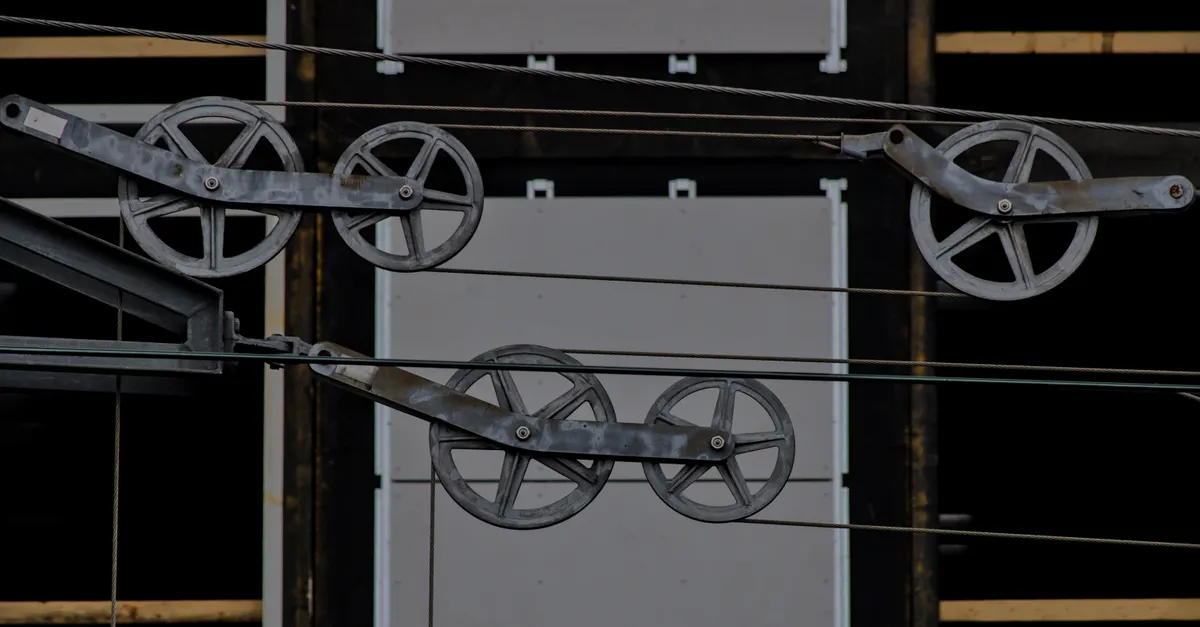
- Install Proper Guards: Ensure that cable drums, pulleys, and exposed moving parts are shielded to prevent accidental contact.
- Document All Work: Maintain records of inspections, repairs, and replacements to demonstrate compliance and track maintenance schedules.

Training and Personal Protective Equipment for Safe Cable Handling
Proper training and the use of personal protective equipment are non-negotiable elements of safe commercial garage door cable work. OSHA requires that all personnel working on or near garage doors receive adequate instruction in hazard recognition, safe work practices, and emergency procedures.
Recommended training topics include:
- Recognizing signs of cable wear and failure
- Safe methods for tensioning and releasing cables
- Lockout/tagout procedures
- Proper use of ladders and lifts
- Emergency response in case of cable breakage or door malfunction
Essential PPE for garage door cable work includes:
- Safety glasses or face shields to protect against flying debris
- Heavy-duty gloves for handling cables and hardware
- Steel-toed boots to guard against dropped tools or components
- Hard hats when working beneath suspended doors or in construction zones
Employers should document all training sessions and ensure that PPE is available and used consistently.
Inspection, Testing, and Documentation for Compliance
Routine inspections and performance testing are vital for maintaining compliance with garage door cable OSHA safety standards. OSHA expects employers to establish a regular inspection schedule and to keep detailed records of all findings and corrective actions.
Inspection checklists should include:
- Cable condition (fraying, corrosion, kinks, broken wires)
- Drum and pulley alignment
- Proper cable tension and attachment
- Functionality of safety devices (such as cable safety stops and door sensors)
- Condition of guards and covers
Performance testing may involve operating the door through several cycles to ensure smooth, safe movement and to verify that all safety mechanisms function as intended. Any deficiencies must be addressed immediately, and all actions should be logged for OSHA review.

Common Hazards and How to Prevent Them
Commercial garage door cables are exposed to a range of hazards that can compromise safety. Understanding these risks and implementing preventive measures is crucial for compliance and accident prevention.
- Cable Breakage: Caused by wear, corrosion, or improper installation. Prevent by performing regular inspections and replacing cables at the first sign of damage.
- Improper Tensioning: Over- or under-tensioned cables can cause uneven lifting, cable derailment, or sudden failure. Always follow manufacturer specifications for tension adjustment.
- Inadequate Guarding: Exposed cables and pulleys increase the risk of entanglement or contact injuries. Install guards and covers as required by OSHA.
- Poor Housekeeping: Tools, debris, or spilled lubricants near the work area can create slip, trip, and fall hazards. Maintain a clean, organized workspace at all times.
For additional prevention strategies, review our garage door cable prevention tips for commercial settings.
Additional Resources and Industry Best Practices
Staying informed about the latest industry standards and best practices is essential for ongoing safety and compliance. OSHA periodically updates its regulations, and industry groups often publish new recommendations based on emerging risks and technologies.
For a deeper understanding of cable function and safety, see this comprehensive overview of the role of cables in garage door safety and functionality. Technicians and facility managers can also benefit from advanced resources such as our garage door cable professional guide, which covers technical specifications and troubleshooting tips.
Frequently Asked Questions
What are the most important OSHA requirements for commercial garage door cable work?
Key OSHA requirements include proper machine guarding, lockout/tagout procedures, regular inspections, and the use of personal protective equipment. Employers must also provide adequate training and maintain clear documentation of all maintenance and repairs.
How often should commercial garage door cables be inspected?
OSHA recommends that cables be visually inspected at least once a month, with more frequent checks in high-traffic or harsh environments. Any signs of wear, fraying, or corrosion should prompt immediate replacement.
What should I do if a garage door cable breaks during operation?
If a cable breaks, immediately secure the area to prevent access, lock out the door’s power source, and contact a qualified technician. Do not attempt to operate or repair the door until it has been professionally inspected and repaired.
Conclusion
Adhering to garage door cable OSHA safety guidelines is essential for protecting workers and ensuring reliable operation in commercial environments. By following OSHA regulations, conducting regular inspections, providing proper training, and using the right equipment, businesses can minimize risks and maintain a safe workplace. For more foundational knowledge, visit our garage door cable beginner guide or explore tips for maximizing garage door cable efficiency in your facility.