The garage door cable pulley system is a critical component that enables smooth, balanced, and safe operation of most residential overhead doors. Whether you have a sectional or one-piece door, the interplay between cables, pulleys, and springs ensures that the heavy door can be lifted and lowered with minimal effort. Understanding how this mechanism works can help homeowners spot issues early, perform basic maintenance, and make informed decisions about repairs or upgrades.
Many common garage door problems stem from issues with the cable and pulley assembly. If you’re new to these systems, you might find it helpful to start with a garage door cable beginner guide for a foundational overview. In this article, we’ll explore the mechanics, function, maintenance, and troubleshooting tips for these essential components, as well as when to consider professional help.
How the Cable and Pulley Mechanism Works
At the heart of most modern garage doors is a counterbalance system that uses cables and pulleys to offset the weight of the door. This system is designed to make lifting and lowering the door manageable, even when the door itself weighs over 100 pounds.
- Cables: Heavy-duty steel cables run vertically along each side of the door. These are attached at one end to the bottom bracket of the door and at the other to the spring system.
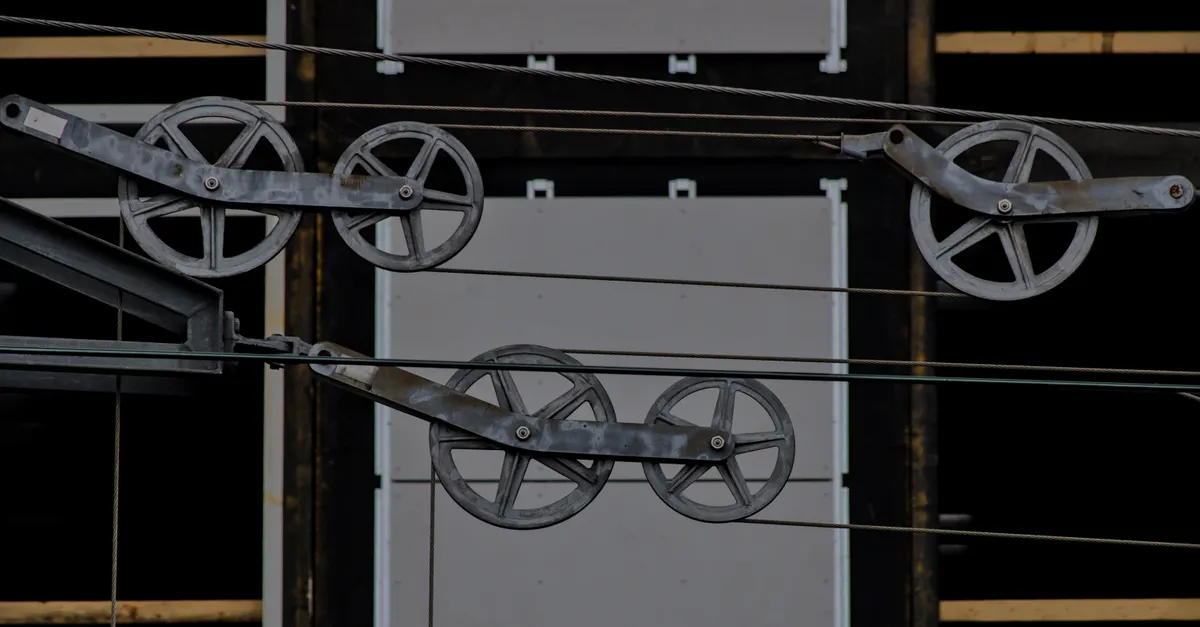
- Pulleys: Wheels or sheaves that guide the cables and help redirect the force generated by the springs. Pulleys are mounted at strategic points to ensure smooth movement and even distribution of tension.
- Springs: Either extension or torsion springs provide the necessary force to counterbalance the door’s weight. The cables and pulleys transfer this force efficiently.
When the door is opened, the cables wind or unwind around drums or pulleys, depending on the design. The springs store or release energy to assist with the movement, while the pulleys ensure that the cables remain taut and properly aligned. This coordinated action is what allows the door to move smoothly and safely.
Types of Garage Door Cable Pulley Systems
There are two main types of cable and pulley assemblies found in residential garage doors:
- Extension Spring Systems: These use extension springs mounted above the horizontal tracks, with pulleys at each end. The cables run through the pulleys and attach to the springs, stretching as the door closes and contracting as it opens.
- Torsion Spring Systems: More common in newer installations, these use torsion springs mounted above the door opening. Cables are wound around drums at each end of the spring shaft, and pulleys may be used to guide the cables, especially in larger or heavier doors.
Each system has its own maintenance needs and potential points of failure. Extension spring setups tend to use more pulleys, while torsion systems rely more on cable drums and fewer moving parts.
Key Functions and Benefits of the Pulley and Cable Assembly
The main purpose of the cable and pulley arrangement is to provide a safe, balanced lifting motion. Here’s what makes this system so effective:
- Weight Distribution: By spreading the load across cables and pulleys, the system prevents excessive strain on any single component.
- Smooth Operation: Pulleys reduce friction, allowing the cables to move freely and the door to glide open or closed without jerking.
- Safety: Properly functioning cables and pulleys help prevent sudden drops or uncontrolled movement, which can be dangerous.
- Longevity: When maintained, these components reduce wear on the door and opener, extending the lifespan of the entire system.
For those interested in optimizing their setup, learning about garage door cable efficiency can help ensure smooth, effortless lifting and reduce long-term maintenance costs.
Common Issues and Troubleshooting Tips
Even with regular use, the cable and pulley system can develop problems over time. Some of the most frequent issues include:
- Frayed or Broken Cables: Worn cables can snap, causing the door to become unbalanced or inoperable.
- Worn Pulleys: Bearings inside pulleys can wear out, leading to squeaking, sticking, or cable misalignment.
- Loose or Slipping Cables: If cables slip off the drum or pulley, the door may jam or hang unevenly.
- Corrosion: Exposure to moisture can cause rust, weakening cables and pulleys.
Addressing these issues promptly is crucial for safety. For step-by-step solutions to frequent problems, see this resource on garage door cable common problems. If you’re unsure about tackling repairs yourself, it’s best to contact a professional technician.
Maintenance Tips for Reliable Performance
Regular inspection and maintenance can help prevent costly breakdowns and extend the life of your garage door’s moving parts. Here are some practical tips:
- Visually inspect cables for fraying, rust, or kinks at least twice a year.
- Check pulleys for smooth rotation and listen for squeaks or grinding noises.
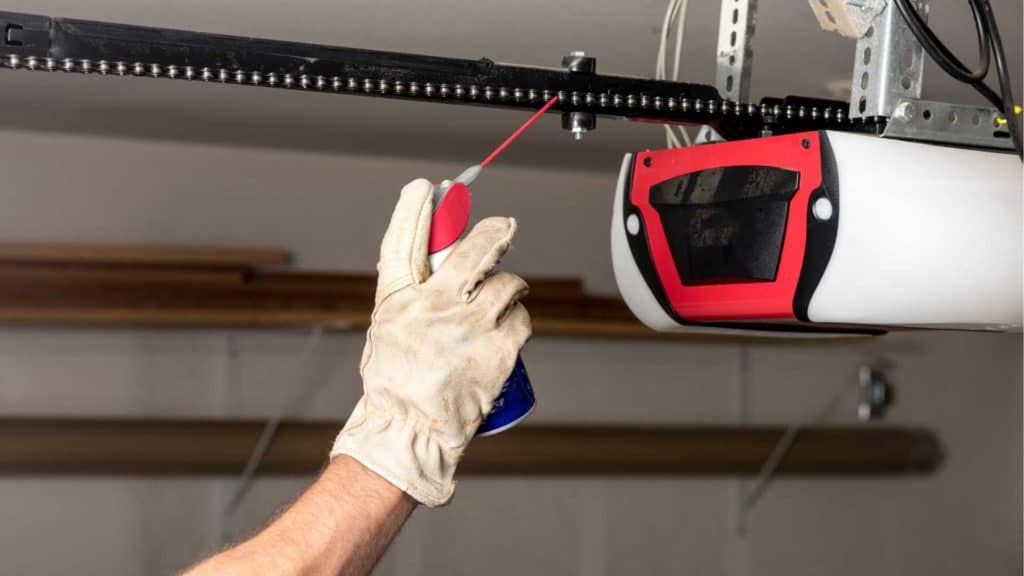
- Lubricate moving parts with a silicone-based spray, avoiding oil-based products that attract dust.
- Tighten any loose fasteners or brackets securing the cables and pulleys.
- Replace worn or damaged cables and pulleys promptly to avoid further damage.
For more advice on keeping your system in top shape, review these garage door cable prevention tips. Preventive care is often much less expensive than emergency repairs.
When to Replace or Upgrade Your Cable and Pulley System
Even with diligent maintenance, there will come a time when replacement is necessary. Signs that it’s time to upgrade or replace your cable and pulley assembly include:
- Visible fraying, rust, or broken strands on cables
- Pulleys that wobble, stick, or make excessive noise
- Difficulty opening or closing the door, even after lubrication
- Repeated cable slippage or misalignment
For those comfortable with DIY projects, you can find detailed instructions for safe installation in this guide to installing garage door springs and cables. However, due to the high tension involved, many homeowners prefer to hire a professional for this work.
Professional vs. DIY: What’s Best for Homeowners?
While some minor maintenance tasks can be handled by most homeowners, working with garage door springs, cables, and pulleys can be dangerous due to the stored energy in the system. If you notice significant wear, damage, or if the door is not operating correctly, it’s safest to call a trained technician. Professionals have the tools and expertise to handle high-tension components and ensure the system is balanced and secure.
For those interested in the technical side, the garage door cable professional guide offers in-depth tips and specifications for advanced troubleshooting and upgrades.
Frequently Asked Questions
What are the signs that my garage door cable pulley system needs repair?
Common indicators include frayed or broken cables, pulleys that squeak or don’t spin freely, the door moving unevenly, or cables slipping off the drums. If you notice any of these issues, stop using the door and inspect the components for damage.
Can I replace garage door cables and pulleys myself?
While it’s possible for experienced DIYers to replace cables and pulleys, it’s important to understand the risks involved. The springs in the system are under high tension and can cause injury if not handled properly. If you’re unsure, it’s best to hire a professional.
How often should I maintain my garage door cable and pulley assembly?
Inspect the cables and pulleys at least twice a year. Lubricate moving parts and check for signs of wear or corrosion. Promptly address any issues to prevent further damage and maintain safe operation.