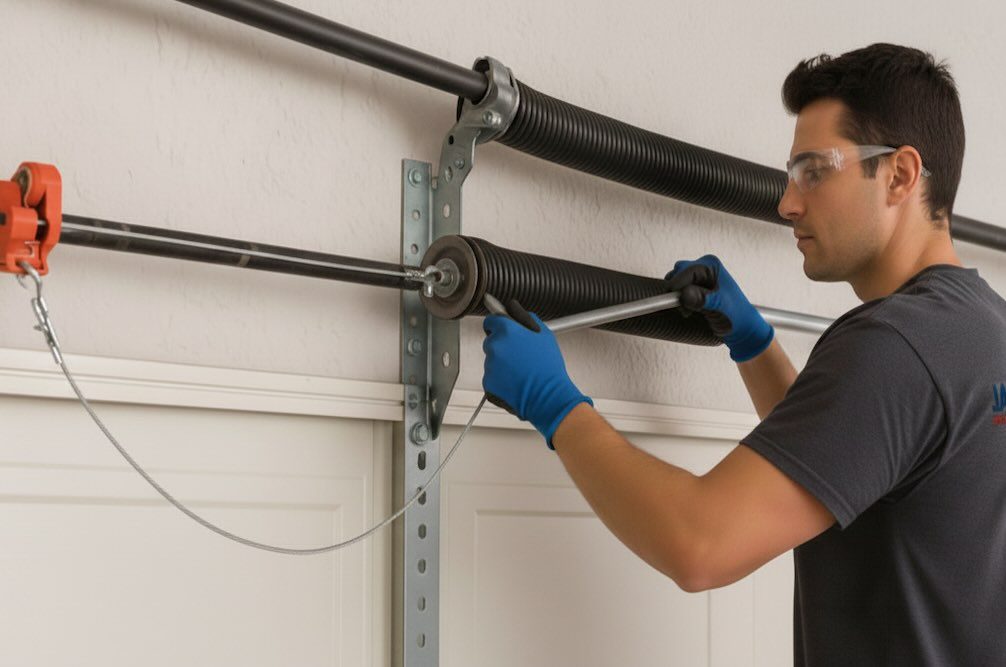
Attempting to fix garage door cables without the right knowledge or tools can lead to serious safety hazards and costly damage. Many homeowners underestimate the complexity of these repairs, making critical errors that put themselves and their property at risk. Understanding the most common garage door cable repair mistakes is essential for anyone considering a do-it-yourself approach or even for those wanting to supervise a professional repair.
Garage door cables are under high tension and play a vital role in the safe operation of your door. A single misstep can cause cables to snap, doors to fall, or springs to release with dangerous force. Before you reach for your tools, it’s important to learn which errors to avoid and when to call a professional.
For a deeper look at the types of issues that can arise, check out this guide on garage door cable common problems to better understand what you’re up against.
Why Garage Door Cable Repairs Are So Risky
Garage door cables are tightly wound and work in tandem with springs to lift and lower heavy doors. When these cables fray, snap, or come off their drums, the entire system becomes unstable. Attempting repairs without proper precautions can result in:
- Severe injuries from released tension
- Sudden door collapse
- Damage to the opener or tracks
- Worsening of existing cable or spring problems
Even experienced DIYers often underestimate the forces involved. That’s why it’s crucial to recognize the most frequent garage door cable repair mistakes and avoid them at all costs.
Top DIY Cable Repair Errors and Their Consequences
Let’s break down the most common blunders homeowners make when tackling cable issues on their own.
1. Using the Wrong Type of Cable
Not all garage door cables are the same. Using an incorrect cable—whether it’s the wrong diameter, length, or material—can cause the door to operate unsafely or fail prematurely. For a detailed explanation of cable types, see this overview of different garage door cables.
2. Failing to Release Spring Tension Properly
One of the most dangerous garage door cable repair mistakes is attempting to remove or replace cables without safely releasing the spring tension. Both torsion and extension springs store immense energy. If released suddenly, they can cause severe injury or property damage.

3. Ignoring Frayed or Damaged Cables
Some homeowners spot minor fraying and assume the cable will last a bit longer. This is a major error. Frayed cables can snap suddenly, especially under load. Always replace cables at the first sign of wear to prevent sudden failure.
4. Improper Cable Routing or Drum Alignment
Incorrectly routing cables or failing to align them on the drum can cause uneven lifting, jamming, or cable slippage. This not only strains the opener but can also lead to the door coming off its tracks.
5. Skipping Safety Checks After Repairs
After installing new cables, it’s essential to test the door’s balance and operation. Skipping this step can result in a door that closes too quickly, doesn’t seal properly, or puts extra stress on the opener and hardware.
How to Avoid Dangerous Cable Repair Blunders
While some minor garage door maintenance can be handled by handy homeowners, cable repairs are best left to professionals. If you do attempt a fix, keep these safety tips in mind:
- Always disconnect the opener and secure the door in the open position before starting work.
- Use only manufacturer-approved cables and hardware.
- Release spring tension according to the door type—never improvise with makeshift tools.
- Double-check cable routing and drum alignment before testing the door.
- Inspect all related components (springs, pulleys, brackets) for wear or damage.
For more on keeping your system running smoothly, see these garage door cable prevention tips to help you avoid future breakdowns.
Signs You Should Call a Professional
Some repairs are simply too risky for DIY. Contact a qualified technician if you notice:
- Snapped or severely frayed cables
- Broken or stretched springs
- Unusual noises or jerky door movement
- Door is off its tracks or won’t open/close fully
Professionals have the tools, training, and experience to safely handle high-tension components and ensure your door operates reliably.
Preventing Costly Cable Issues in the Future
Regular inspection and maintenance are key to avoiding the most common cable-related mishaps. Lubricate moving parts, check for signs of wear, and never ignore unusual sounds or movement. If you want a more technical overview, the garage door cable professional guide offers expert tips and specifications for keeping your system in top shape.
When it’s time for a replacement, use a garage door cable replacement checklist to ensure you have all the necessary parts and tools before starting the job.
Frequently Asked Questions
What happens if I use the wrong cable for my garage door?
Using an incorrect cable can cause uneven lifting, premature wear, or even sudden failure. Always match the cable type, diameter, and length to your specific door system as recommended by the manufacturer.
Can I repair a frayed garage door cable myself?
While minor maintenance is possible for some homeowners, repairing or replacing cables is risky due to the high tension involved. Frayed cables should be replaced immediately, and it’s safest to hire a professional for this task.
How can I tell if my garage door cable is about to fail?
Watch for visible fraying, rust, kinks, or loose strands. If the door moves unevenly or makes grinding noises, inspect the cables closely. Any sign of damage means it’s time for a replacement to avoid sudden breakage.
Is it safe to operate my garage door with a broken cable?
No. Operating a door with a broken or damaged cable can cause the door to become unbalanced, fall off its tracks, or place excessive strain on other components. Stop using the door and arrange for repairs as soon as possible.
Conclusion
Avoiding garage door cable repair mistakes is critical for both safety and the longevity of your garage door system. If you’re unsure about any aspect of cable repair, don’t take unnecessary risks—consult a professional. With regular maintenance and prompt attention to warning signs, you can keep your garage door operating smoothly for years to come.