Keeping your garage door cables in top condition is essential for the safety and longevity of your entire door system. One of the most common threats to these cables is rust, which can weaken the metal, cause fraying, and eventually lead to cable failure. Homeowners and facility managers alike benefit from understanding effective garage door cable rust prevention strategies. This guide covers proven maintenance tips, product recommendations, and expert insights to help you protect your cables and avoid costly repairs.
Rust not only compromises the strength of the cables but can also lead to sudden malfunctions that put people and property at risk. By taking proactive steps, you can extend the life of your cables and ensure smooth, reliable garage door operation. For those interested in a more technical breakdown, the garage door cable professional guide offers in-depth technical tips and specifications.
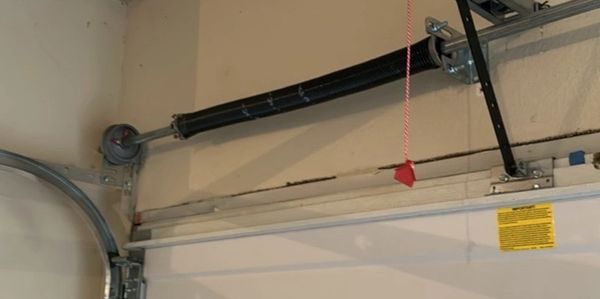
Why Rust Develops on Garage Door Cables
Garage door cables are typically made from galvanized steel, which is designed to resist corrosion. However, exposure to moisture, humidity, road salt, and chemicals can still lead to oxidation over time. Rust forms when iron in the steel reacts with oxygen and water, creating a reddish-brown flaky coating that weakens the cable structure.
- Humidity in garages, especially in coastal or rainy areas, accelerates rust formation.
- Salt from winter roads or ocean air can corrode cables quickly.
- Poor drainage or water leaks in the garage create a damp environment ideal for rust.
- Lack of maintenance allows small rust spots to grow and eventually compromise the cable.
Essential Steps for Garage Door Cable Rust Prevention
Preventing rust is far easier and less expensive than replacing damaged cables. Here are the most effective steps you can take to keep your cables rust-free:
- Regular Inspection: Check cables every few months for signs of rust, fraying, or wear. Early detection allows for prompt action.
- Keep Cables Clean: Wipe down cables with a dry cloth to remove dust, dirt, and debris. For stubborn grime, use a mild detergent and water, then dry thoroughly.
- Apply Lubricant: Use a garage door-specific lubricant or a light machine oil to coat the cables. This creates a barrier against moisture and reduces friction. Avoid heavy greases that attract dust.
- Control Moisture: Ensure your garage is well-ventilated and address any leaks or standing water promptly. Consider using a dehumidifier in damp climates.
- Replace Damaged Cables: If you notice significant rust, broken strands, or kinks, replace the cables immediately to prevent sudden failure.
Choosing the Right Products for Cable Protection
Using the correct products is crucial for effective garage door cable rust prevention. Here are some recommendations:
- Lubricants: Look for silicone-based or lithium-based sprays specifically designed for garage doors. These products resist water and do not attract dust or dirt.
- Galvanized Cables: When replacing cables, choose galvanized or stainless steel options for superior rust resistance.
- Protective Coatings: Some homeowners apply a thin layer of rust inhibitor or corrosion-resistant spray to further shield cables from moisture.
For a detailed overview of cable upgrades, the garage door cable system upgrade resource explains how modern materials and designs can enhance durability and performance.
Seasonal Maintenance for Rust-Free Garage Door Cables
Seasonal changes can have a significant impact on cable condition. Adapting your maintenance routine to the time of year helps prevent rust and other issues:
- Winter: Salt from roads and increased humidity can accelerate corrosion. Inspect cables more frequently and reapply lubricant as needed. For more winter-specific advice, see the garage door cable winter issues guide.
- Spring: Clean away any debris or salt residue left over from winter. Check for rust spots and address them immediately.
- Summer: High humidity can be a problem in some regions. Ensure good ventilation and use a dehumidifier if necessary.
- Fall: Prepare for wetter weather by inspecting weather seals and ensuring water cannot pool near the garage door tracks or cables.
For a comprehensive look at seasonal care, visit the garage door cable seasonal maintenance article.
Advanced Tips for Long-Term Rust Prevention
Beyond basic cleaning and lubrication, there are additional steps you can take to maximize the lifespan of your garage door cables:
- Install Drip Shields: These prevent rainwater from running down the cables and tracks.
- Upgrade to Stainless Steel: For environments with extreme moisture or salt exposure, stainless steel cables offer superior resistance to corrosion.
- Schedule Professional Maintenance: Annual service by a qualified technician can catch issues before they become serious and ensure all components are in optimal condition.
- Monitor for Early Signs: Listen for squeaking or grinding noises, which may indicate lack of lubrication or developing rust.
For more in-depth strategies, the garage door cable corrosion prevention guide provides the ultimate care checklist for homeowners and property managers.
Common Mistakes That Lead to Cable Rust
Even with the best intentions, some habits can inadvertently cause cables to rust faster. Avoid these pitfalls:
- Using the wrong type of lubricant, such as WD-40, which can strip away protective coatings.
- Neglecting to dry cables after cleaning or exposure to water.
- Ignoring small rust spots, which can quickly spread and weaken the cable.
- Allowing clutter or debris to accumulate near the base of the garage door, trapping moisture.
Staying vigilant and following a regular maintenance routine is the best way to avoid these issues.
Expert Resources and Further Reading
If you want to dive deeper into the subject, there are several trusted resources available. For a technical overview of gable systems and their impact on cable health, check out this comprehensive garage door gable guide. These resources provide additional context and help you make informed decisions about your garage door system.
FAQ: Garage Door Cable Rust and Maintenance
How often should I inspect garage door cables for rust?
It’s best to inspect your cables every three to six months. In areas with high humidity or salt exposure, increase the frequency to monthly checks. Early detection of rust or wear allows for prompt action and prevents major failures.
What is the safest way to clean rust from garage door cables?
Use a dry cloth or soft brush to remove surface rust. For stubborn spots, a mild detergent and water can help, but always dry the cables thoroughly afterward. Never use harsh chemicals or abrasive tools, as they can damage the cable and worsen corrosion.
Can I use household lubricants for garage door cables?
It’s recommended to use lubricants specifically designed for garage doors, such as silicone or lithium-based sprays. Household products like WD-40 are not suitable for long-term protection and may strip away protective coatings.
When should I replace garage door cables?
If you notice significant rust, broken strands, fraying, or kinks, replace the cables immediately. Damaged cables can snap without warning, posing a serious safety risk.
Are there any upgrades that help prevent rust?
Yes, upgrading to galvanized or stainless steel cables, installing drip shields, and using high-quality lubricants all contribute to better rust resistance and longer cable life.