Garage doors are a staple of modern homes, providing convenience and security. Yet, many homeowners overlook the garage door cable safety hazards that can put families and property at risk. Misinformation and common myths often lead to unsafe DIY repairs or neglect, increasing the chance of accidents and costly damage.
This article will clarify the real dangers associated with garage door cables, address widespread misconceptions, and provide practical guidance for safe maintenance. If you’re seeking reliable information on how to keep your garage door system safe, you’re in the right place.
For those new to this topic, our garage door cable beginner guide covers the basics every homeowner should know before tackling maintenance or repairs.
Understanding the Risks of Garage Door Cables
Garage door cables are under high tension and play a critical role in lifting and lowering the door. When these cables wear out, fray, or snap, they can cause sudden, dangerous movements. The force stored in the springs and cables is enough to cause serious injury or property damage if handled incorrectly.
Some of the most common garage door cable safety hazards include:
- Cables snapping and whipping with great force
- Doors crashing down unexpectedly
- Improper DIY repairs leading to further damage or injury
- Neglected maintenance causing cables to fray or slip off pulleys
Understanding these risks is the first step in preventing accidents and ensuring your garage door operates safely year-round.
Common Myths About Garage Door Cable Safety
There are several misconceptions that can lead homeowners to underestimate the dangers of garage door cables. Let’s address some of the most persistent myths:
Myth 1: “Garage Door Cables Rarely Break”
Many believe that cables are built to last the lifetime of the door. In reality, cables are subject to wear and tear from daily use, moisture, and temperature changes. Over time, they can rust, fray, or become loose, making regular inspection essential.
Myth 2: “DIY Repairs Are Safe with the Right Tools”
Even with proper tools, working on garage door cables is risky. The tension in the system can cause cables or springs to snap unexpectedly. Professional technicians have the training and safety equipment to handle these repairs without endangering themselves or others.
Myth 3: “If One Cable Looks Fine, the Door Is Safe”
Garage doors typically use two cables. If one fails, the other is under increased strain and may also break soon after. It’s important to inspect and replace both cables as needed to prevent sudden door collapse.
Warning Signs of Cable Problems
Spotting cable issues early can prevent accidents and expensive repairs. Here are some warning signs to watch for:
- Visible fraying or rust on cables
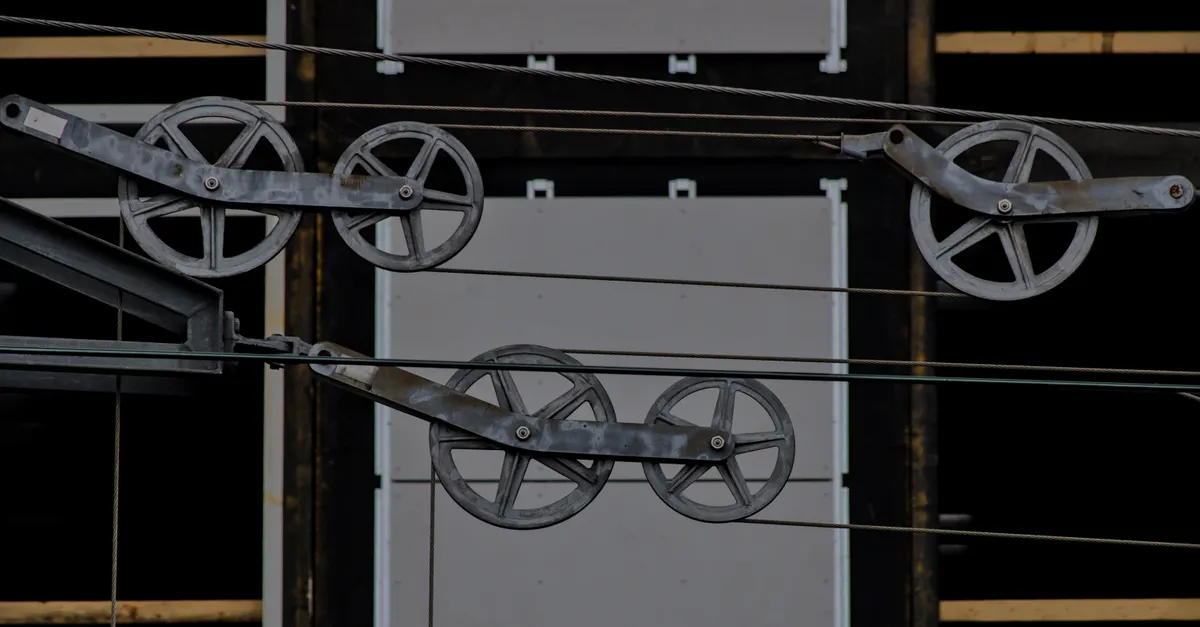
- Loose or slack cables hanging from the drum or pulley
- Uneven door movement or the door appearing crooked
- Loud snapping or grinding noises during operation
- The door does not open or close smoothly
If you notice any of these issues, stop using the door and contact a professional. Attempting to operate or repair a damaged cable can make the problem worse and increase the risk of injury.
For more on troubleshooting, see our detailed guide on garage door cable common problems.
Safe Maintenance Practices for Garage Door Cables
While some garage door maintenance tasks are suitable for homeowners, cable repairs are best left to professionals. However, there are steps you can take to minimize risk and keep your system in good working order:
- Inspect cables visually every few months for signs of wear, rust, or fraying.
- Lubricate moving parts (except cables) to reduce friction and wear.
- Test the door balance by disconnecting the opener and lifting the door manually. If it feels heavy or uneven, cables or springs may be failing.
- Keep the area around the cables clear to prevent accidental entanglement or snagging.
- Schedule professional inspections annually to catch hidden issues before they become hazards.
For proactive tips on avoiding breakdowns, check out our garage door cable prevention tips article.

When to Call a Professional
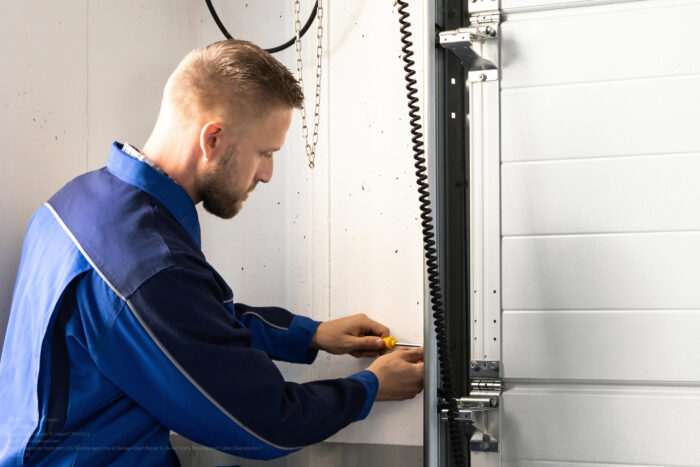
Attempting to fix or replace garage door cables without proper training is extremely dangerous. If you notice any of the warning signs listed above, or if your door is not operating correctly, contact a qualified technician immediately. Professionals have the tools and expertise to safely release tension, replace cables, and ensure the system is balanced and secure.
For those interested in technical details or advanced troubleshooting, our garage door cable professional guide offers in-depth information for technicians and experienced DIYers.
Additional Resources and Expert Advice
Staying informed is key to preventing garage door cable safety hazards. For a comprehensive overview of garage door gable systems and their components, see this complete garage door gable guide from industry experts.
Regular maintenance, prompt repairs, and a clear understanding of the dangers can help you avoid accidents and extend the life of your garage door system. Don’t let myths or misinformation put your safety at risk—always rely on trusted sources and professional help when dealing with high-tension components.
Frequently Asked Questions
What should I do if my garage door cable snaps?
If a cable breaks, stop using the door immediately and avoid standing near it. Do not attempt to open or close the door manually. Contact a professional technician to assess and repair the system safely.
How often should garage door cables be inspected?
It’s recommended to visually inspect cables every three to six months for signs of wear, rust, or fraying. Annual professional inspections are also important to catch hidden issues early.
Can I replace garage door cables myself?
Replacing cables is not a safe DIY project due to the high tension involved. Even experienced DIYers risk serious injury without the proper tools and training. Always hire a qualified technician for cable repairs or replacements.
Are there ways to prevent cable failures?
Regular inspections, keeping cables clean and dry, and scheduling professional maintenance can help prevent failures. Addressing minor issues early and avoiding overloading the door also reduces risk.