When temperatures drop, garage door sensors can become unreliable or stop working altogether. Homeowners often find their garage doors refusing to close or open properly during winter months. Understanding how to fix garage door sensor in cold weather is essential for maintaining convenience and safety. This article provides practical steps to diagnose and resolve common sensor problems caused by cold conditions, ensuring your garage door operates smoothly all year round.
If you notice flickering lights on your sensors or inconsistent door movement, you might be dealing with weather-related malfunctions. For more information on related issues, you can check out how to fix garage door sensor flickering for additional troubleshooting tips.

Why Cold Weather Affects Garage Door Sensors
Cold temperatures can impact garage door sensors in several ways. The most common issues include condensation, frost, and contraction of materials, all of which can interfere with the sensor’s ability to detect objects or communicate with the garage door opener. Electrical connections may also become brittle or loose due to freezing conditions, leading to intermittent failures.
- Condensation and frost can fog up the sensor lens, blocking the infrared beam.
- Metal contraction may cause misalignment between the sending and receiving units.
- Wiring problems can develop as insulation stiffens and cracks in low temperatures.
Signs Your Garage Door Sensors Are Affected by Cold
Recognizing the symptoms of weather-related sensor problems is the first step toward a solution. Some of the most common signs include:
- The garage door won’t close unless you hold the wall button down.
- Sensor indicator lights are off, flickering, or showing unusual colors.
- The door reverses immediately after attempting to close.
- Visible condensation or frost on the sensor lens.
If you’re experiencing these symptoms, it’s time to address the underlying issues before the problem worsens.
Step-by-Step Guide: Troubleshooting Garage Door Sensors in Winter
To resolve sensor malfunctions during cold weather, follow these practical steps. Each method addresses a specific cause, so work through them in order until your garage door operates reliably again.
1. Inspect and Clean the Sensor Lenses
Dirt, condensation, or frost can block the infrared beam. Use a soft, dry cloth to gently wipe both sensor lenses. Avoid using water or harsh chemicals, as these can leave residue or freeze, worsening the problem.
2. Check Sensor Alignment
Cold temperatures can cause brackets to contract, knocking sensors out of alignment. Ensure both sensors face each other directly and are mounted at the same height. Most sensors have indicator lights—when aligned, the lights should be steady (not blinking).
3. Examine and Protect Sensor Wiring
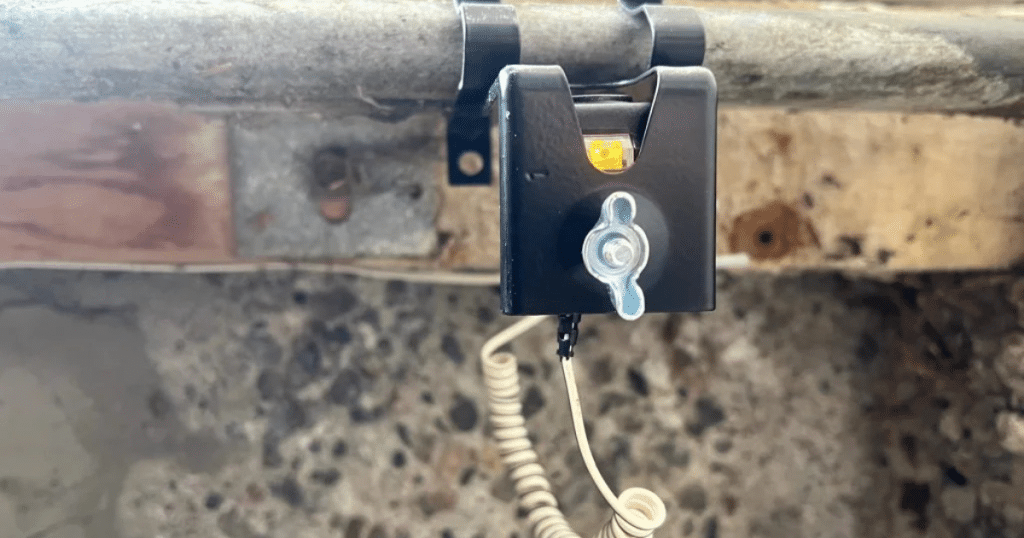
Wiring can become brittle or cracked in freezing temperatures, leading to poor connections. Inspect the wires for visible damage, especially near the sensor housing and where wires enter the wall. If you spot any frayed or broken wires, consider reviewing how to check garage door sensor wiring for damage for guidance on safe inspection and repair.
To prevent future issues, use weatherproof electrical tape or conduit to insulate exposed wires.
4. Test Sensor Functionality
After cleaning, aligning, and checking the wiring, test your sensors. Close the garage door using the remote or wall button. If the door closes smoothly, the problem is likely resolved. If not, further testing may be needed. For a detailed walkthrough, refer to how to test garage door safety sensors.
5. Address Power Supply Issues
In some cases, cold weather can affect the power supply to your sensors. Check that the opener is plugged in and that the outlet is functioning. If you suspect a power issue, try plugging another device into the same outlet to confirm.
Preventing Sensor Problems During Winter
Taking proactive steps can help you avoid garage door sensor malfunctions in the future:
- Regularly clean and inspect the sensors, especially before and during winter.
- Install weatherproof covers or shields to protect sensors from snow and ice buildup.
- Ensure the garage is well-insulated to minimize temperature fluctuations.
- Schedule annual maintenance to catch and address wiring or alignment issues early.
When to Call a Professional
If you’ve tried all the above steps and your garage door sensors are still malfunctioning, it might be time to consult a professional. Persistent issues could indicate a more serious electrical problem or a faulty sensor that needs replacement. A qualified technician can diagnose and resolve complex problems safely and efficiently.
For more advanced troubleshooting, such as rewiring, you may find how to rewire garage door sensors helpful if you’re comfortable with DIY repairs.
Additional Resources for Troubleshooting
For a comprehensive approach to diagnosing sensor faults, you can reference this step-by-step guide to testing if your garage door sensors are faulty. These resources provide further insight into identifying and fixing sensor issues beyond just cold weather complications.
Frequently Asked Questions
Can cold weather permanently damage garage door sensors?
Prolonged exposure to freezing temperatures can cause wear and tear on sensor components and wiring, but most issues are temporary and can be fixed with cleaning, realignment, or minor repairs. Severe or repeated problems may require sensor replacement.
How often should I check my garage door sensors during winter?
It’s a good idea to inspect your sensors at least once a month during colder months. Clean the lenses, check alignment, and look for any signs of condensation, frost, or wiring damage.
What should I do if my garage door only closes when I hold the button?
This usually indicates a sensor issue—either misalignment, dirty lenses, or wiring problems. Follow the troubleshooting steps above, and for more details, see why does my garage door only close when I hold the button.
Are there weatherproof garage door sensors available?
Yes, some manufacturers offer sensors designed to withstand harsh weather conditions. Upgrading to weather-resistant models can help prevent future issues if you live in an area with extreme winters.