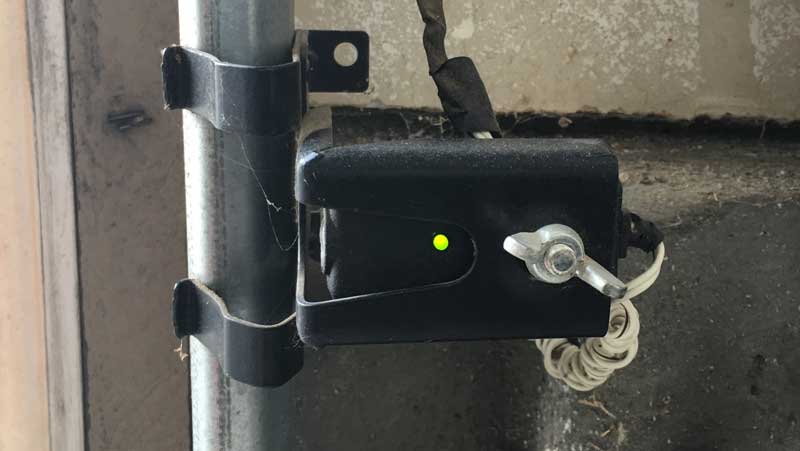
If your garage door refuses to close on sunny afternoons, you’re not alone. Many homeowners encounter issues with garage door sensors malfunctioning when exposed to direct sunlight, especially during the afternoon hours. The sun’s intense rays can interfere with the photo-eye sensors, causing the system to think there’s an obstruction and preventing the door from closing. Understanding how to fix garage door sensor in direct afternoon sun can save you time, frustration, and unnecessary service calls.
This guide covers the most effective solutions for resolving sunlight interference, explains why these problems occur, and offers practical tips for keeping your garage door operating smoothly. We’ll also point you to additional resources, including related troubleshooting guides such as how to fix garage door sensor mounting on metal studs, to help you address other common sensor issues.
Understanding Sunlight Interference with Garage Door Sensors
Garage door safety sensors, also known as photo-eyes, are designed to prevent the door from closing if something is in its path. They work by sending an invisible infrared beam from one side of the door to the other. If this beam is broken, the door won’t close. However, direct sunlight—especially during the afternoon when the sun is low and strong—can overwhelm the sensor’s receiver, causing it to misinterpret sunlight as an obstruction.
Common symptoms of sunlight interference include:
- The garage door starts to close but immediately reverses.
- The sensor indicator light flickers or turns off when the sun hits it.
- The door works fine in the morning or evening but not in the afternoon.
Understanding these symptoms is the first step toward finding a reliable solution for garage door sensor problems in direct sun.
Quick Solutions for Sunlight-Related Sensor Issues
There are several practical methods to resolve issues caused by direct sunlight on your garage door sensors. Here are the most effective strategies:
1. Adjust the Sensor Alignment
Sometimes, simply tweaking the angle of the sensors can help. Slightly tilting the receiver sensor away from the direct path of the sun can reduce interference. Make sure both sensors are still aligned with each other, as misalignment can cause the door to malfunction regardless of sunlight.
2. Install Sun Shields or Hoods
Many homeowners find success by adding a physical barrier to block sunlight from hitting the sensor directly. You can purchase commercial sun shields, or make your own using small pieces of PVC pipe or cardboard tubes. Attach the shield around the sensor so it shades the lens but does not block the infrared beam.
3. Use Polarized or Tinted Covers
Some garage door sensor manufacturers offer polarized covers or filters designed to block out certain wavelengths of light, including the type emitted by the sun. These covers can be installed over the sensor lens to help minimize sunlight interference without affecting the infrared beam.
4. Swap Sensor Placement
If only one sensor is being affected by sunlight, try swapping the sender and receiver units (if your system allows). The receiver is typically more sensitive to sunlight, so moving it to the shaded side of the garage may solve the problem.
5. Upgrade to Sunlight-Resistant Sensors
Some newer garage door sensors are engineered to be less sensitive to sunlight. If you’ve tried the above fixes and still experience problems, consider upgrading to a model designed for high-light environments. When shopping, look for sensors that specifically mention sunlight resistance in their specifications.
Step-by-Step Guide: Fixing Garage Door Sensors in Direct Sun
For those who want a more detailed approach, here’s a step-by-step process to address sunlight interference:
- Inspect the sensors: Check for dirt, cobwebs, or debris on the sensor lenses and clean them with a soft cloth.
- Observe the indicator lights: With the sun shining directly on the sensors, note whether the indicator lights are steady, blinking, or off.
- Realign the sensors: Loosen the mounting brackets and gently adjust the angle to minimize direct sunlight exposure. Tighten the brackets once aligned.
- Add a sun shield: Attach a short tube or a commercial hood around the sensor to shade it from the sun.
- Test the door: Try closing the garage door during peak sunlight hours to see if the issue is resolved.
- Consider additional fixes: If problems persist, try swapping sensor positions or installing polarized covers as described above.
For more troubleshooting tips, you can also explore this comprehensive guide to troubleshooting garage door sensors.

Preventing Future Sunlight Interference
Once you’ve resolved the immediate issue, it’s wise to take steps to prevent future problems with your garage door sensors. Here are some proactive measures:
- Regularly clean the sensor lenses to remove dust and debris that can scatter sunlight.
- Check sensor alignment every few months, especially after storms or accidental bumps.
- Inspect for obstructions such as garden tools or toys that may reflect sunlight onto the sensors.
- Consider landscaping or installing a small awning to provide natural shade during peak sun hours.
For other sensor-related issues, such as wiring problems or unusual noises, you may find it helpful to read resources like how to fix garage door sensor wiring using electrical tape or how to fix garage door sensor hum or buzz.
When to Call a Professional
If you’ve tried all the above solutions and your garage door still won’t close during sunny afternoons, it may be time to consult a professional technician. Persistent issues could indicate a faulty sensor, wiring problems, or a malfunctioning garage door opener. A trained expert can diagnose and repair complex problems safely and efficiently.
Additionally, if you notice symptoms such as the sensor light blinking twice or a dead transmitter, refer to guides like why is my garage door sensor light blinking twice or why is my garage door sensor transmitter dead for targeted troubleshooting steps.
Frequently Asked Questions
Why does direct sunlight affect my garage door sensor?
Direct sunlight can overwhelm the sensor’s receiver, causing it to misinterpret the intense light as an obstruction. This disrupts the infrared beam, preventing the door from closing properly during peak sunlight hours.
Can I use any material to make a sun shield for my sensor?
Yes, you can use materials like PVC pipe, cardboard tubes, or commercial sun shields. The key is to block sunlight from hitting the sensor lens directly without obstructing the infrared beam between the sensors.
What if my garage door sensor still doesn’t work after trying these fixes?
If sunlight interference solutions don’t resolve the issue, there may be other problems such as faulty wiring, sensor misalignment, or a defective sensor. In such cases, consult a professional or refer to troubleshooting guides focused on wiring and sensor electronics.
Are there sensors that are immune to sunlight interference?
Some modern sensors are designed to be less sensitive to sunlight, but no sensor is completely immune. Installing polarized covers or upgrading to sunlight-resistant models can significantly reduce the risk of interference.
By following these practical steps and preventative measures, you can ensure your garage door operates reliably—even during the brightest afternoons. Addressing sunlight interference not only improves convenience but also maintains the safety features of your garage door system.