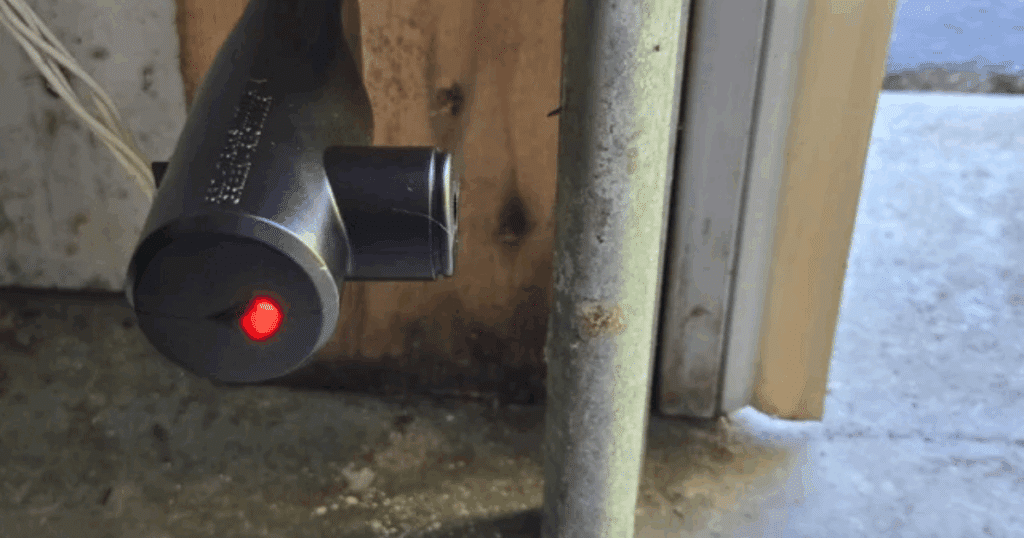
Garage door sensors are essential for safety and daily convenience, but when they start to feel hot or even overheat, it can signal a serious issue. Addressing this problem promptly not only prevents further damage but also ensures your garage door system operates safely. In this guide, you’ll learn practical steps for troubleshooting and resolving sensor overheating, as well as how to prevent it from happening again.
Whether you’re a homeowner dealing with a malfunctioning sensor or a DIY enthusiast looking to understand the root causes, this article covers the most common reasons for excessive heat in garage door sensors and provides actionable solutions. If you’re also interested in related sensor issues, you may find it helpful to read about how to fix garage door sensor mounting on metal studs for more troubleshooting tips.
Understanding Why Garage Door Sensors Overheat
Before diving into solutions, it’s important to understand why a garage door sensor might become excessively warm. Overheating can be caused by several factors, including:
- Electrical issues such as short circuits or faulty wiring.
- Direct sunlight exposure, which can heat up the sensor housing and internal components.
- Obstructed airflow or poor installation, preventing heat from dissipating.
- Old or defective sensors that are no longer functioning efficiently.
Identifying the underlying cause is the first step toward a lasting fix. In some cases, the sensor may simply be reacting to environmental factors, while in others, it could be a sign of a more serious electrical problem.
Initial Safety Steps Before Troubleshooting
Whenever you’re dealing with electrical components, safety should be your top priority. Always disconnect the garage door opener from its power source before attempting any inspection or repair. This precaution reduces the risk of electric shock and prevents accidental activation of the door while you’re working.
If you’re unsure about handling electrical repairs, consider consulting a professional. However, many overheating issues can be resolved with careful observation and basic tools.
Step-by-Step Guide for Addressing Overheating Garage Door Sensors
Follow these steps to diagnose and resolve a sensor that feels hot to the touch:
-
Inspect the Sensor Housing
Check for any visible signs of melting, discoloration, or warping. These are indicators that the sensor has been exposed to excessive heat for an extended period. -
Check for Sunlight Exposure
Sensors installed where direct sunlight hits them can overheat quickly. If possible, shade the sensor or adjust its position to reduce sun exposure. Installing a small cover or shield may help. -
Examine the Wiring
Loose, frayed, or damaged wires can cause electrical resistance, leading to overheating. Carefully inspect the wiring connections at both the sensor and the opener. If you find any issues, turn off the power and repair or replace the wires. For detailed wiring fixes, see how to fix garage door sensor wiring using electrical tape. -
Test for Short Circuits
Use a multimeter to check for continuity and ensure there are no shorts in the circuit. Shorts can cause the sensor to draw excess current, resulting in heat buildup. -
Clean the Sensor Lenses
Dirt and debris can cause the sensor to work harder, potentially leading to overheating. Gently wipe the lenses with a soft, dry cloth. -
Replace Faulty Sensors
If the sensor continues to overheat after performing the above checks, it may be defective. Replacing it with a new, compatible unit is often the best solution.
Common Mistakes to Avoid When Fixing Hot Sensors
While troubleshooting, avoid these frequent errors:
- Ignoring persistent overheating, which can lead to sensor failure or even fire hazards.
- Using incompatible replacement parts that may not dissipate heat properly.
- Over-tightening mounting brackets, which can restrict airflow around the sensor.
- Neglecting to check both sensors (sending and receiving units), as both can be affected by the same issue.
Taking a systematic approach and avoiding these pitfalls will help you achieve a more reliable repair.

When to Replace Versus Repair a Sensor
Sometimes, even after following all troubleshooting steps, the sensor may continue to overheat. In such cases, replacement is often the safest and most cost-effective option. Modern sensors are designed with better heat tolerance and improved circuitry, making them less susceptible to temperature-related failures.
Replacement is recommended if:
- The sensor housing is melted, cracked, or severely discolored.
- Internal components show signs of burning or corrosion.
- Overheating recurs despite addressing wiring and environmental issues.
If you’re replacing your sensor, be sure to purchase a model compatible with your garage door opener. For a reliable selection, consider the garage door sensor lights available from reputable retailers.
Preventing Future Overheating Problems
Proactive maintenance can help you avoid sensor overheating in the future. Here are some best practices:
- Regularly inspect wiring and connections for signs of wear or damage.
- Keep the sensor area clean and free of debris.
- Ensure sensors are mounted in locations shielded from direct sunlight and moisture.
- Test the sensor function monthly to catch issues early.
For more tips on troubleshooting sensor issues, you might also want to read about why is my garage door sensor light blinking twice for insights into related malfunctions.
Additional Resources for Troubleshooting
If you’re still experiencing problems after following these steps, there are additional resources and guides available. For example, you can learn more about sensor color codes and what they mean by visiting this comprehensive guide to garage door sensor colors and troubleshooting.
For issues related to sensor noise, check out how to fix garage door sensor hum or buzz for more solutions.
If your transmitter is unresponsive, see why is my garage door sensor transmitter dead for detailed troubleshooting steps.
Frequently Asked Questions
What causes a garage door sensor to become hot?
Common causes include electrical faults, exposure to direct sunlight, poor ventilation, and aging components. Faulty wiring or short circuits are especially likely to cause excessive heat buildup.
Is it safe to use a garage door if the sensor is overheating?
No, using a garage door with an overheating sensor can be dangerous. Overheated sensors may fail to detect obstructions, compromising safety. Always address the issue before resuming normal operation.
Can I fix an overheating sensor myself, or should I call a professional?
Many overheating issues can be resolved with careful inspection and basic repairs, such as adjusting the sensor position or replacing damaged wires. However, if you’re uncomfortable working with electrical components or the problem persists, it’s best to consult a qualified technician.
How can I tell if my sensor needs to be replaced?
If the sensor housing is melted, the unit remains hot even after troubleshooting, or the sensor fails to function properly, replacement is recommended. Persistent overheating is a sign that the internal components may be damaged beyond repair.