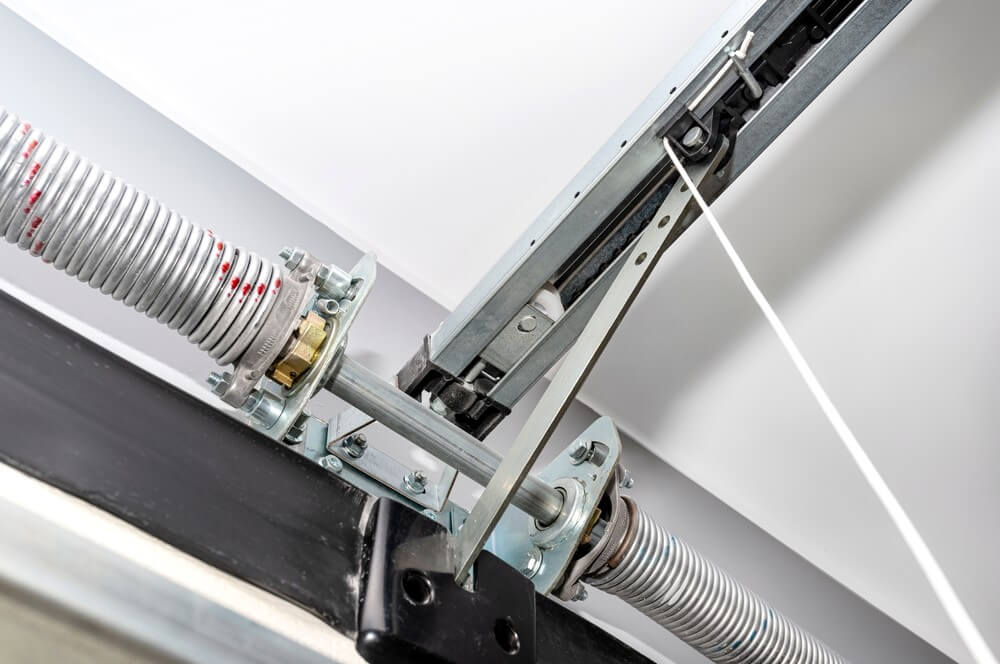
Maintaining proper garage door cable alignment is essential for the smooth and safe operation of your garage door. Misaligned cables can cause uneven lifting, noisy operation, or even dangerous situations where the door becomes stuck or falls off its tracks. Understanding how these cables work and how to keep them correctly positioned will help you avoid costly repairs and extend the life of your garage door system.
This guide covers the basics of cable alignment, common causes of misalignment, step-by-step instructions for inspection and adjustment, and tips for preventing future issues. If you’re new to garage door maintenance, you may also find the garage door cable beginner guide helpful for foundational knowledge.
Understanding Garage Door Cable Alignment
Garage doors rely on a system of cables and springs to lift and lower the door evenly. The cables are wound around drums at the top corners of the door and are attached to the bottom brackets. When the cables are properly aligned, the door opens and closes smoothly, distributing weight evenly across the system.
Misalignment occurs when the cables slip off the drum, become twisted, or develop slack. This can lead to jerky movement, gaps under the door, or even the cable coming off entirely. For a deeper look at typical cable issues, the garage door cable common problems article provides quick fixes and solutions for homeowners.
Signs Your Garage Door Cables Are Out of Alignment
Recognizing the symptoms of cable misalignment early can save you from more serious problems. Here are some common indicators:
- The door appears crooked or uneven when opening or closing.
- You hear scraping, grinding, or popping noises during operation.
- The cables look loose, frayed, or have slipped off the drum.
- The door moves slower than usual or gets stuck partway.
- Visible gaps appear between the door and the ground.
If you notice any of these issues, it’s important to address them promptly to prevent further damage.

Causes of Cable Misalignment
Several factors can lead to cables coming out of alignment:
- Wear and Tear: Over time, cables can stretch, fray, or lose tension, making them prone to slipping.
- Obstructions: Debris or objects in the track can force the cable off the drum.
- Poor Installation: Incorrectly installed cables or drums can cause persistent alignment issues.
- Broken Springs: If a spring breaks, the sudden loss of tension can cause cables to unravel or become misaligned.
- Improper Manual Operation: Forcing the door open or closed by hand can sometimes knock cables off their tracks.
Understanding these causes is the first step in preventing future problems with your garage door system.
How to Inspect and Realign Garage Door Cables
While some alignment tasks are best left to professionals, homeowners can safely perform basic inspections and minor adjustments. Always prioritize safety—if you’re unsure, consult a technician.
- Disconnect Power: Unplug the garage door opener to prevent accidental activation.
- Release Tension: If your door uses extension springs, open the door fully and secure it with locking pliers. For torsion springs, it’s best to call a professional.
- Inspect Cables: Check for fraying, rust, or slack. Ensure cables are properly seated in the drum grooves.
- Realign as Needed: If a cable has slipped off, carefully guide it back onto the drum. Make sure it sits evenly and matches the opposite side.
- Test Operation: Reconnect power and test the door’s movement. Listen for unusual sounds and watch for smooth, even lifting.
For a more technical breakdown of cable systems, the garage door cable professional guide offers advanced tips and specifications.
Preventing Future Cable Alignment Issues
Regular maintenance is key to keeping your garage door cables in top shape. Here are some preventive measures:
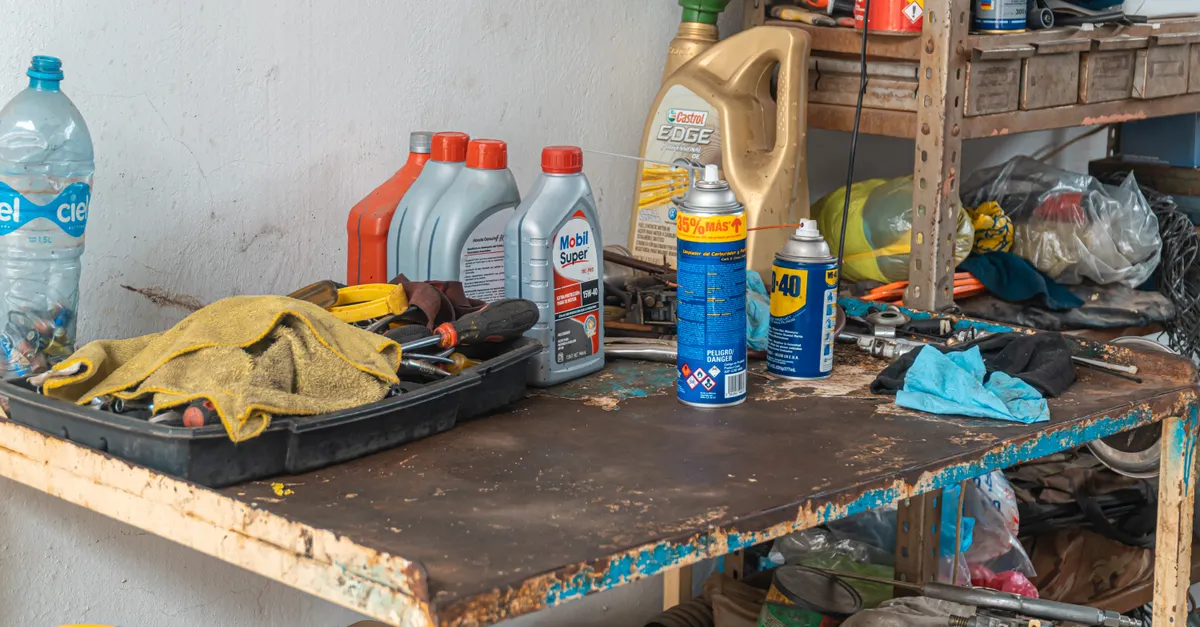
- Lubricate Moving Parts: Use a silicone-based spray on cables, pulleys, and drums to reduce friction.
- Inspect Regularly: Check cables, springs, and tracks monthly for signs of wear or misalignment.
- Clear Tracks: Remove debris and ensure tracks are straight and properly secured.
- Balance the Door: An unbalanced door puts extra strain on cables. If the door is hard to lift manually, have it balanced by a professional.
- Replace Worn Components: Swap out frayed or stretched cables promptly to avoid sudden failures.
For more strategies to avoid costly repairs, see the garage door cable prevention tips article.
When to Call a Professional
While minor adjustments can be performed by homeowners, certain situations require expert attention. Contact a professional if:
- The cable is severely frayed or broken.
- The door is stuck in an open or closed position.
- You have torsion springs, which are under high tension and can be dangerous.
- There are repeated alignment issues despite your efforts.
Professional technicians have the tools and experience to handle complex repairs safely and efficiently.
How Garage Door Cables Work
To better understand the importance of alignment, it’s helpful to know how cables function within the garage door system. Cables work in tandem with springs to counterbalance the weight of the door, allowing it to open and close with minimal effort. For a detailed explanation, visit this comprehensive guide on garage door cable mechanics.
Frequently Asked Questions
What causes garage door cables to come off the drum?
Common causes include worn or stretched cables, obstructions in the track, broken springs, or improper manual operation. Regular inspection and maintenance can help prevent cables from slipping off the drum.
Can I realign garage door cables myself?
Basic inspections and minor realignment can be performed by homeowners, especially on doors with extension springs. However, if your system uses torsion springs or if the cables are severely damaged, it’s safer to call a professional.
How often should I check my garage door cable alignment?
It’s a good idea to inspect your cables at least once a month. Look for signs of wear, slack, or misalignment, and address any issues promptly to avoid bigger problems down the line.
Are there ways to make my garage door operate more smoothly?
Yes, keeping cables properly aligned, lubricating moving parts, and ensuring the door is balanced all contribute to smoother operation. For more tips, see the garage door cable efficiency resource.