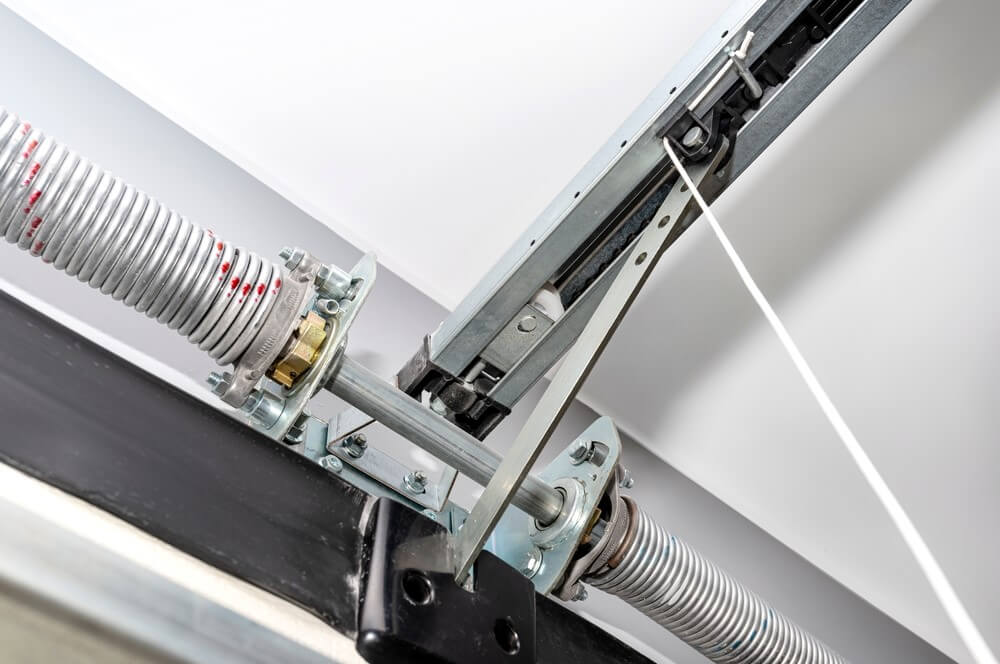
The smooth, reliable operation of a modern garage door depends on a carefully engineered network of components. Among the most critical are the garage door cable and spring system. These parts work together to balance the door’s weight, making it possible to lift and lower even heavy doors with minimal effort. Understanding how these elements interact is essential for homeowners, DIY enthusiasts, and anyone interested in garage door maintenance or repair.
This article explores the roles of cables and springs, how they function as a unit, and why their interaction is vital for both safety and performance. We’ll also highlight common issues, maintenance tips, and resources for further learning. If you’re new to these mechanisms, you may find the garage door cable beginner guide especially helpful for foundational knowledge.
Key Components of Garage Door Lifting Mechanisms
To appreciate how the cable and spring system works, it’s helpful to break down its main parts. Most residential garage doors use either a torsion or extension spring setup, each relying on cables for safe and effective operation.
- Springs: These store and release energy to counterbalance the door’s weight. Torsion springs are mounted above the door, while extension springs run along the sides.
- Cables: Heavy-duty steel cables attach to the bottom corners of the door and wind around drums or pulleys. They transfer the spring’s force, allowing the door to move smoothly.
- Drums and Pulleys: These guide the cables as they wind and unwind, ensuring even tension and controlled movement.
Each of these components must be in good condition and correctly installed for the system to function safely. If you’re experiencing issues, such as uneven lifting or jerky movement, reviewing garage door cable common problems can help you identify potential causes.
The Relationship Between Cables and Springs
The interaction between the cables and springs is what allows a garage door to feel almost weightless when operated by hand or with an opener. Here’s how these parts work together:
- When the door is closed, the springs are under maximum tension, storing energy.
- As the door is lifted, the springs unwind (torsion) or stretch (extension), releasing stored energy.
- The cables, attached to the bottom of the door, wind around drums or move over pulleys, transferring the spring’s force to the door itself.
- This counterbalancing effect means you’re not lifting the full weight of the door—just a fraction of it.
If either the cable or spring fails, the system loses its balance. This can make the door very heavy, dangerous to operate, or cause it to become stuck. That’s why regular inspection and prompt repair are so important.
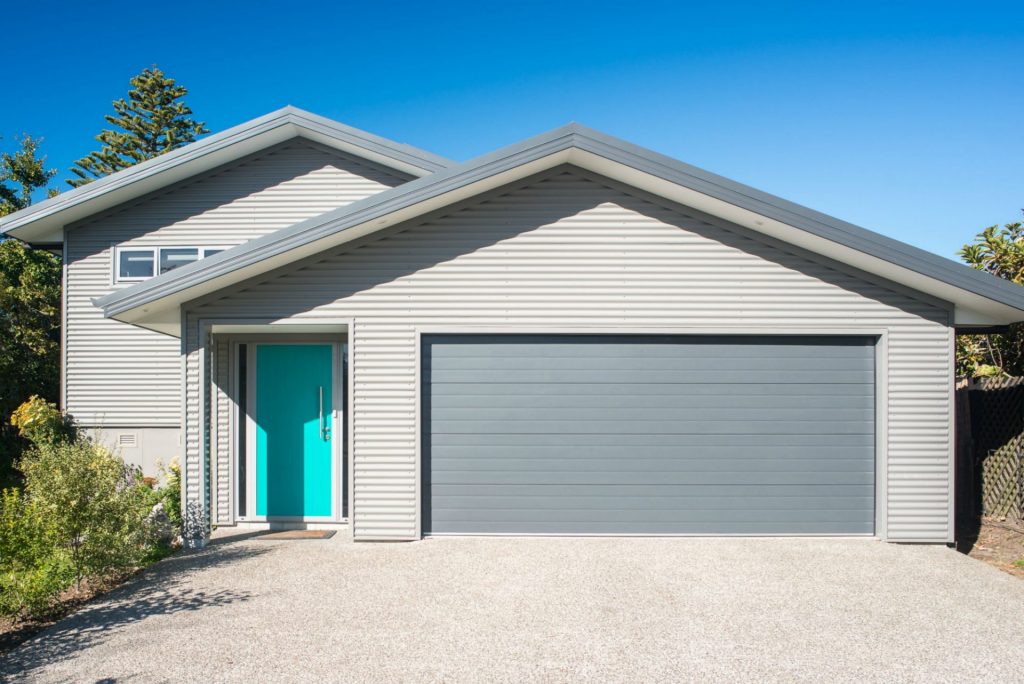
Types of Garage Door Cable and Spring Systems
There are two primary systems used in residential settings, each with its own method of balancing the door:
Torsion Spring and Cable Arrangement
In this setup, a torsion spring is mounted horizontally above the door. The cables attach to the bottom of the door and wind around drums at each end of the spring shaft. As the door opens, the spring unwinds, and the cables lift the door evenly. This system is known for its durability and smoother operation.
Extension Spring and Cable Setup
Extension springs run parallel to the horizontal tracks on either side of the door. The cables run through pulleys and attach to the springs. When the door is closed, the springs are stretched; as the door opens, they contract, helping to lift the door. This system is common in older or lighter garage doors.
Common Problems and Warning Signs
Over time, wear and tear can affect the performance of your garage door’s lifting system. Here are some issues to watch for:
- Frayed or broken cables: This can cause the door to hang unevenly or become stuck.
- Loose or stretched springs: The door may feel heavy or fail to stay open.
- Unusual noises: Squeaking, grinding, or popping sounds may indicate a problem with the cables or springs.
- Slow or jerky movement: This could be due to cable misalignment, worn pulleys, or spring fatigue.
If you notice any of these symptoms, it’s best to stop using the door and consult a professional. Attempting to repair springs or cables without proper tools and training can be dangerous.
Maintenance Tips for Cable and Spring Systems
Regular maintenance can extend the life of your garage door’s lifting components and prevent costly breakdowns. Here are some practical tips:
- Visually inspect cables for fraying, rust, or kinks every few months.
- Check springs for signs of stretching, gaps, or corrosion.
- Lubricate moving parts (except cables) with a silicone-based spray to reduce friction.
- Test the door’s balance by disconnecting the opener and lifting the door halfway. It should stay in place; if not, the springs may need adjustment.
- Review garage door cable prevention tips for more ways to keep your system running smoothly.
For a more technical perspective, the garage door cable professional guide offers advanced advice on specifications and troubleshooting.
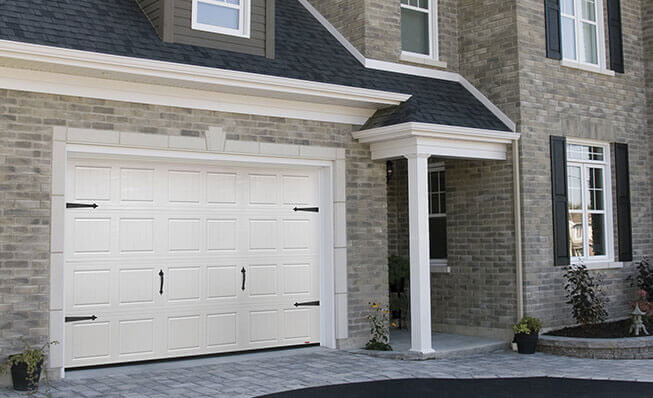
Why Proper Cable and Spring Interaction Matters
The synergy between cables and springs is what allows a garage door to operate safely and efficiently. If one part is damaged or out of sync, the entire system is compromised. This can lead to:
- Sudden door drops, posing a risk of injury or property damage
- Increased strain on the opener, leading to premature failure
- Higher energy costs if the door doesn’t seal properly
For more details on how cables contribute to smooth operation, see the garage door cable efficiency article.
For a deeper technical dive, you can also consult this comprehensive guide on how garage door cables work for further reading.
Frequently Asked Questions
How do I know if my garage door cable or spring is failing?
Common signs include the door feeling unusually heavy, visible fraying or rust on cables, loud noises during operation, or the door not staying open. If you notice any of these, stop using the door and contact a professional for inspection.
Can I replace garage door cables or springs myself?
While some experienced DIYers attempt these repairs, it’s generally not recommended due to the high tension involved. Improper handling can cause serious injury. It’s best to hire a qualified technician for cable or spring replacement.
How often should I inspect or service my garage door cable and spring system?
It’s wise to visually inspect your system every few months and schedule professional maintenance annually. Regular checks help catch issues early and ensure safe, reliable operation.