Homeowners are increasingly interested in making their garages smarter and more convenient. One key area of focus is garage door cable automation compatibility, which determines whether your existing door system can work seamlessly with modern smart openers. Understanding how cables, pulleys, and automation systems interact is essential for anyone considering an upgrade or troubleshooting issues with their current setup.
This article explores the essentials of integrating smart openers with cable-driven garage doors, the technical requirements for compatibility, and practical steps to ensure a smooth transition to automated operation. Whether you’re planning a DIY installation or consulting a professional, knowing the basics will help you make informed decisions and avoid common pitfalls.
If you’re new to the world of garage door cables and want to understand the basics before diving into automation, the garage door cable beginner guide offers a solid foundation. For those already familiar, let’s look at the factors that determine whether your garage door is ready for smart automation.
Understanding Cable-Driven Garage Door Systems
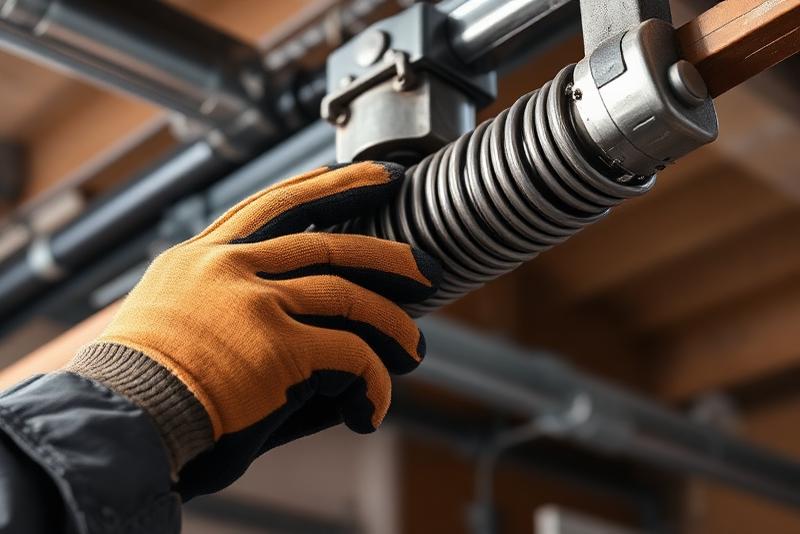
Most residential garage doors use a system of cables and pulleys to lift and lower the door smoothly. These cables are critical for balancing the door’s weight and ensuring safe, reliable operation. When considering automation, it’s important to assess the type and condition of your current cable setup.
- Torsion spring systems use cables wound around drums mounted above the door. These are common in modern installations and generally compatible with most smart openers.
- Extension spring systems use cables attached to pulleys and springs running along the horizontal tracks. Compatibility varies, and some older models may require upgrades for automation.
If your cables are frayed, stretched, or showing signs of wear, replacing them before installing a smart opener is strongly recommended. For more on identifying and resolving cable issues, see this resource on garage door cable common problems.
Key Factors for Smart Opener Integration
When evaluating garage door cable automation compatibility, several technical factors come into play. Not all doors and openers are created equal, and ensuring a good match is crucial for safety and performance.
- Door Weight and Balance: Smart openers are designed to work within specific weight ranges. If your cables or springs are not properly balanced, the opener may struggle or fail.
- Track and Cable Condition: Automated systems place additional stress on cables and tracks. Any existing damage or misalignment should be addressed before installation.
- Opener Compatibility: Not all smart openers are suitable for every door type. Check manufacturer specifications for supported cable and spring systems.
- Safety Features: Modern openers include sensors and automatic reversal mechanisms. Ensure your cables and pulleys allow for smooth, unobstructed movement to avoid false triggers or malfunctions.
For a deeper technical dive, the garage door cable professional guide provides detailed specs and troubleshooting tips for advanced users.
Choosing the Right Smart Opener for Your Door
Selecting a compatible smart opener involves more than just picking a brand. You’ll need to match the opener’s drive type and power rating to your door’s cable and spring configuration.
- Belt and Chain Drive Openers: These are the most common and generally work well with both torsion and extension spring systems, provided the cables are in good condition.
- Direct Drive and Jackshaft Openers: Ideal for high-lift or specialty doors, but may require specific cable arrangements for optimal performance.
- Smart Features: Look for openers with Wi-Fi, app control, and integration with home automation platforms. Ensure these features do not interfere with the mechanical operation of your cables and pulleys.
Before purchasing, consult your door’s manual or a professional installer to confirm compatibility. For additional efficiency tips, see the guide on garage door cable efficiency.
Preparing Your Garage Door for Automation
Proper preparation is key to a successful automation upgrade. Here’s a step-by-step approach to ensure your system is ready:
- Inspect Cables and Pulleys: Replace any worn or damaged parts. High-quality, galvanized cables are recommended for longevity and safety.
- Test Door Balance: Disconnect the opener and manually lift the door. It should move smoothly and stay open halfway. If not, adjust or replace springs and cables as needed.
- Check Track Alignment: Misaligned tracks can cause cables to slip or bind, leading to opener strain or failure.
- Install Safety Sensors: Modern openers require sensors at the base of the door. Ensure cables and hardware do not obstruct these devices.
For a comprehensive overview of cable maintenance and prevention strategies, the garage door cable prevention tips article is a valuable resource.
Common Issues and Troubleshooting Tips
Even with careful planning, some challenges may arise when automating a cable-driven garage door. Here are a few common issues and how to address them:
- Opener Struggles or Stalls: This often points to cable tension problems or a door that’s out of balance. Recheck all hardware and adjust as needed.
- Noisy Operation: Worn pulleys or cables can create excessive noise. Lubricate moving parts and replace any components showing signs of wear.
- Sensor Malfunctions: Ensure cables do not block safety sensors. Clean sensor lenses and check alignment regularly.
- Intermittent Connectivity: If your smart opener loses connection, verify that Wi-Fi signals are strong in the garage and that the opener’s firmware is up to date.
For a detailed explanation of what garage door cables do and their role in automation, see this comprehensive overview of garage door cable functions.
Maintaining Your Automated Garage Door System
Routine maintenance is essential for safe and reliable operation. Here are some best practices:
- Inspect cables and pulleys monthly for signs of fraying, rust, or stretching.
- Lubricate moving parts with a silicone-based spray to reduce wear and noise.
- Test safety features such as auto-reverse and manual release regularly.
- Update smart opener software to benefit from security patches and new features.
Staying proactive with maintenance not only extends the life of your system but also ensures ongoing garage door cable automation compatibility as technology evolves.
FAQ: Garage Door Cable Automation and Smart Openers
Can I automate any garage door with cables?
Most cable-driven doors can be automated, but the system must be in good condition and compatible with the chosen smart opener. Doors with severe wear, non-standard hardware, or outdated spring systems may require upgrades before automation.
How do I know if my cables are compatible with a smart opener?
Check the opener manufacturer’s specifications for supported cable and spring systems. Torsion spring setups are usually compatible, while some extension spring systems may need specific cable kits or pulleys. If unsure, consult a professional installer.
What maintenance is required after automating my garage door?
Regularly inspect cables, pulleys, and tracks for wear. Lubricate moving parts, test safety sensors, and keep your smart opener’s software updated. Address any unusual noises or operational issues promptly to avoid bigger problems.
Will automation affect the lifespan of my cables?
Automated operation can increase the frequency of use, which may accelerate cable wear if not properly maintained. Using high-quality cables and performing routine checks can help maximize lifespan.
Integrating smart technology with your garage door system offers convenience and enhanced security, but only if your cables and hardware are up to the task. By understanding the essentials of garage door cable automation compatibility and following best practices for installation and maintenance, you can enjoy seamless, reliable operation for years to come.