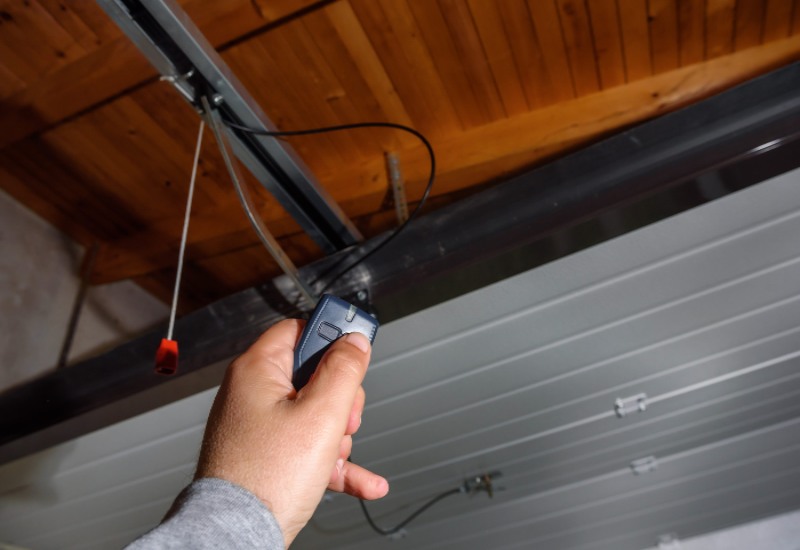
A malfunctioning garage door can be a major inconvenience, and one of the most common issues homeowners face is a snapped or frayed cable. Understanding the garage door cable broken causes is essential for both prevention and timely repair. These cables play a crucial role in lifting and lowering your garage door safely. When they fail, the door can become stuck, unbalanced, or even dangerous to operate.
In this article, we’ll break down the most frequent reasons cables snap, how to spot early warning signs, and what you can do to extend the life of your garage door system. If you’re looking for a more technical overview or want to dive deeper into cable specifications, the garage door cable professional guide offers in-depth technical tips and specs.
Understanding the Role of Garage Door Cables
Garage door cables are heavy-duty wires that work alongside springs to lift and lower the door smoothly. They are under constant tension, especially in systems using torsion or extension springs. When a cable breaks, the entire balance of the door is compromised, making it difficult or unsafe to operate.
To learn more about how these cables function within the system, check out this detailed explanation of garage door cable mechanics.
Main Reasons Garage Door Cables Snap
There are several factors that can lead to cable failure. Recognizing these garage door cable broken causes can help you prevent unexpected breakdowns and costly repairs.
1. Wear and Tear from Daily Use
Most garage doors are used multiple times a day. Over time, the cables experience friction and stress, which gradually weakens the metal strands. Eventually, this wear leads to fraying and, ultimately, snapping. Regular inspection can catch early signs of wear before a complete failure occurs.
2. Rust and Corrosion
Exposure to moisture, humidity, or road salt can cause cables to rust. Corrosion weakens the steel, making it brittle and more likely to break under tension. For tips on protecting your cables from rust, see the garage door cable corrosion prevention guide.
3. Poor Maintenance Practices
Neglecting routine maintenance is a leading contributor to cable problems. Lubricating moving parts, checking for fraying, and keeping the tracks clean all help extend cable life. Skipping these steps accelerates wear and increases the risk of sudden failure.
4. Misalignment or Track Obstructions
If the garage door tracks are bent, dirty, or obstructed, cables can rub against sharp edges or get pinched. This abnormal friction causes premature fraying and can lead to a sudden break. Ensuring tracks are clean and properly aligned is a simple way to avoid this issue.
5. Incorrect Cable Installation
Improper installation—such as using the wrong cable length or failing to secure connections—puts unnecessary strain on the system. This can cause cables to unwind, slip off pulleys, or snap unexpectedly. Always use cables designed for your specific door model and follow manufacturer guidelines.
6. Extreme Temperatures and Seasonal Changes
Temperature fluctuations can cause metal to expand and contract, which stresses the cables. In cold climates, cables may become brittle and more susceptible to snapping. For advice on handling seasonal changes, see the garage door cable winter issues guide and the seasonal maintenance checklist.
Warning Signs Your Cable Is About to Break
Catching problems early can prevent a complete cable failure. Watch for these signs:
- Visible fraying or broken strands on the cable
- Rust spots or discoloration
- Unusual noises during operation (grinding, scraping)
- The door appears crooked or unbalanced
- Cable slack or visible separation from the drum or pulley
If you notice any of these symptoms, it’s best to stop using the door and arrange for repairs. Operating a garage door with a compromised cable can be dangerous.
How to Prevent Garage Door Cable Failures
While some cable issues are unavoidable due to age, many can be prevented with proactive care. Here are some practical steps:
- Regular Lubrication: Apply a light garage door lubricant to cables, pulleys, and springs every few months.
- Inspect for Damage: Check cables for fraying, rust, or kinks during your seasonal home maintenance.
- Keep Tracks Clean: Remove dirt, debris, and obstructions from tracks to minimize cable wear.
- Address Moisture Issues: Fix leaks or condensation problems in your garage to prevent rust. For more on this, see the moisture damage guide.
- Schedule Professional Tune-Ups: Have a qualified technician inspect and service your garage door annually.
What to Do If Your Garage Door Cable Snaps
If you discover a broken cable, avoid operating the door. Disconnect the automatic opener to prevent accidental use. Replacing cables involves working with high-tension springs, which can be hazardous. Unless you have experience and the right tools, it’s safest to call a professional for repairs.
If you prefer DIY repairs, ensure you purchase the correct replacement parts. Kits like pulley and cable sets or extension spring cables are available for most standard doors, but always match the specifications to your door’s requirements.
Frequently Asked Questions
How long do garage door cables typically last?
Most cables last between 7 and 15 years, depending on usage, maintenance, and environmental factors. Regular inspections and lubrication can help maximize their lifespan.
Can I replace a garage door cable myself?
While it’s possible for experienced DIYers, replacing cables involves working with high-tension springs, which can be dangerous. If you’re unsure, it’s best to hire a professional to ensure safety and proper installation.
What are the most common signs of cable failure?
Look for fraying, visible rust, slack in the cable, or a door that appears crooked or unbalanced. Unusual noises during operation can also indicate a problem.
Conclusion
Understanding the main garage door cable broken causes—from daily wear and rust to poor maintenance and installation—can help you avoid unexpected failures. Regular care, prompt repairs, and using the right replacement parts are key to keeping your garage door safe and functional. For more technical details or troubleshooting tips, explore the linked resources throughout this article.