Choosing the correct cables for your garage door is essential for safety, smooth operation, and long-term reliability. With so many types, sizes, and materials available, understanding garage door cable compatibility can feel overwhelming. This guide breaks down the key factors to consider, helping you select the right cables for your specific door system and avoid common mistakes that can lead to malfunctions or costly repairs.
Whether you’re replacing worn cables or upgrading your system, knowing what makes a cable compatible with your garage door’s mechanism is crucial. We’ll cover the main cable types, sizing considerations, material options, and how to identify the right match for your setup. For those new to garage door maintenance, you may also find the garage door cable beginner guide helpful as a starting point.
Understanding Cable Types for Garage Doors
The first step in ensuring proper garage door cable compatibility is identifying which type of cable your door uses. Most residential garage doors operate with either torsion spring cables or extension spring cables. Each type is designed for a specific spring system and cannot be used interchangeably.
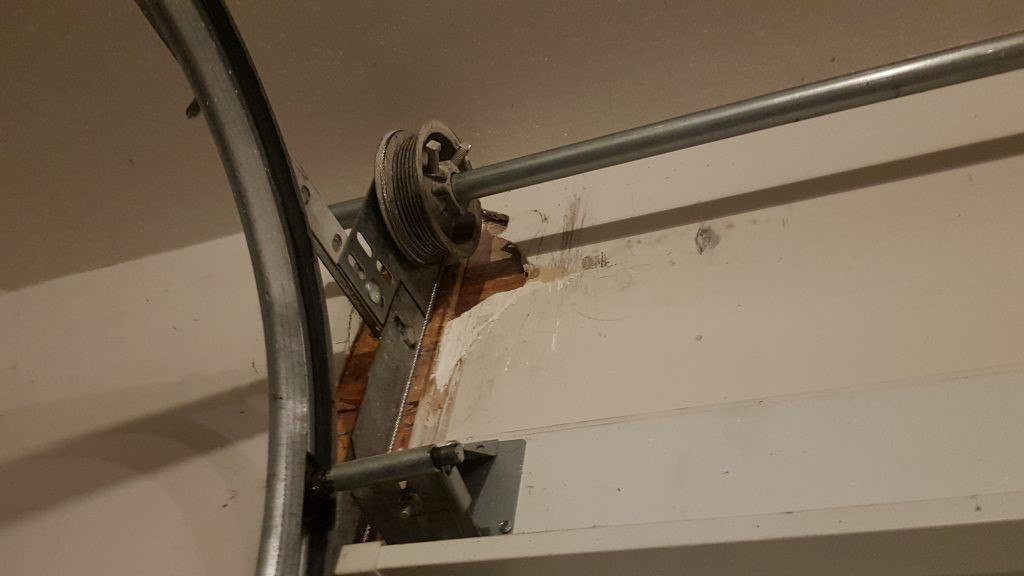
- Torsion Spring Cables: These cables are attached to drums at the top corners of the door and wind around the drum as the door opens. They are typically thicker and handle greater tension, making them suitable for heavier doors.
- Extension Spring Cables: Used with extension spring systems, these cables run along the sides of the door and stretch as the door closes. They are generally thinner and are designed for lighter or single-car doors.
Using the wrong cable type can result in improper tension, uneven lifting, or even dangerous cable snapping. Always match the cable type to your door’s spring system.
Key Factors Affecting Garage Door Cable Compatibility
Beyond the basic type, several other factors determine whether a cable is the right fit for your garage door:
Cable Length and Diameter
Length and thickness are critical for safe and efficient operation. The cable must be long enough to accommodate the full travel of the door but not so long that it causes slack or tangling. Diameter affects the cable’s strength—thicker cables are needed for heavier doors, while lighter doors can use thinner options.
- Standard residential cables are usually 1/8″ or 3/32″ in diameter.
- Length varies by door height—common sizes are 7′, 8′, or custom lengths for taller doors.
Always check your door’s specifications or consult the manufacturer’s manual to confirm the correct cable dimensions.
Material and Construction
Most garage door cables are made from galvanized steel, which offers a good balance of strength and corrosion resistance. Stainless steel cables are available for coastal or high-humidity environments, providing extra protection against rust. Some cables use a vinyl coating for smoother operation and added durability.
Choosing the right material ensures longevity and reduces the risk of premature wear, especially in challenging climates.
End Fittings and Attachments
The ends of garage door cables are fitted with loops, stops, or thimbles that secure the cable to the drum, bracket, or spring. These fittings must match your door’s hardware to ensure a secure connection. Using incompatible fittings can lead to slippage or failure during operation.
How to Identify the Correct Cable for Your Garage Door
To find a compatible replacement, start by inspecting your existing cables and noting the following:
- Measure the cable length (from end to end, including fittings).
- Check the diameter using a caliper or ruler.
- Identify the spring system (torsion or extension).
- Examine the end fittings for shape and size.
- Note any special features, such as coatings or reinforced loops.
If you’re unsure, consult your garage door’s manual or contact the manufacturer with your door’s model number. Many suppliers also offer compatibility charts or customer support to help match cables to specific doors.
Common Issues Caused by Incompatible Cables
Using cables that are not suited to your door’s requirements can cause a range of problems. Some of the most frequent issues include:
- Uneven door movement due to mismatched cable lengths or diameters.
- Premature cable wear from using materials not designed for your environment.
- Safety hazards such as cable snapping or slippage if end fittings are not compatible.
- Operational noise and jerky motion from improper tension or slack.
For troubleshooting tips and solutions to these problems, refer to the garage door cable common problems resource.
Tips for Safe Replacement and Maintenance
When replacing or upgrading your garage door cables, keep these safety and maintenance tips in mind:
- Always disconnect power to automatic openers before working on cables.
- Wear gloves and eye protection to guard against frayed wires or sudden tension release.
- Replace cables in pairs to ensure balanced operation.
- Inspect drums, pulleys, and brackets for wear before installing new cables.
- Lubricate moving parts with a silicone-based spray to reduce friction and extend cable life.
If you are not comfortable performing cable replacement yourself, consider hiring a professional. For advanced technical details, the garage door cable professional guide offers in-depth advice for technicians and experienced DIYers.

How to Prevent Cable Failures and Extend Lifespan
Regular inspection and proactive care are key to avoiding cable-related breakdowns. Here are some practical steps:
- Check cables for fraying, rust, or kinks every few months.
- Keep the area around the cables clean and free of debris.
- Lubricate cables and pulleys as recommended by your door manufacturer.
- Address minor issues promptly to prevent bigger failures.
For more strategies to avoid costly repairs, see the garage door cable prevention tips guide.
Expert Advice and Additional Resources
If you need further guidance, many professional installers and manufacturers provide detailed charts and support for matching cables to your specific door model. For a comprehensive overview of cable efficiency and how it impacts smooth operation, the garage door cable efficiency article is a valuable resource.
For a deeper dive into best practices and safety, you can also consult the dos and don’ts of garage door cables for expert recommendations.
Frequently Asked Questions
How do I know if my garage door cables are compatible with my system?
Check your door’s spring type (torsion or extension), measure the existing cable’s length and diameter, and inspect the end fittings. Refer to your door’s manual or contact the manufacturer for exact specifications. Using the wrong cable can lead to operational issues or safety hazards.
Can I use any steel cable for my garage door?
No, not all steel cables are suitable. Garage door cables are designed for specific loads, lengths, and end fittings. Using a generic or incorrect cable can result in improper tension, uneven lifting, or even cable failure. Always use cables rated for your door’s weight and spring system.
How often should garage door cables be replaced?
With regular maintenance, high-quality cables can last several years. However, if you notice fraying, rust, or visible damage, replace them immediately. It’s also a good idea to replace cables when upgrading springs or after a major repair to ensure continued safe operation.