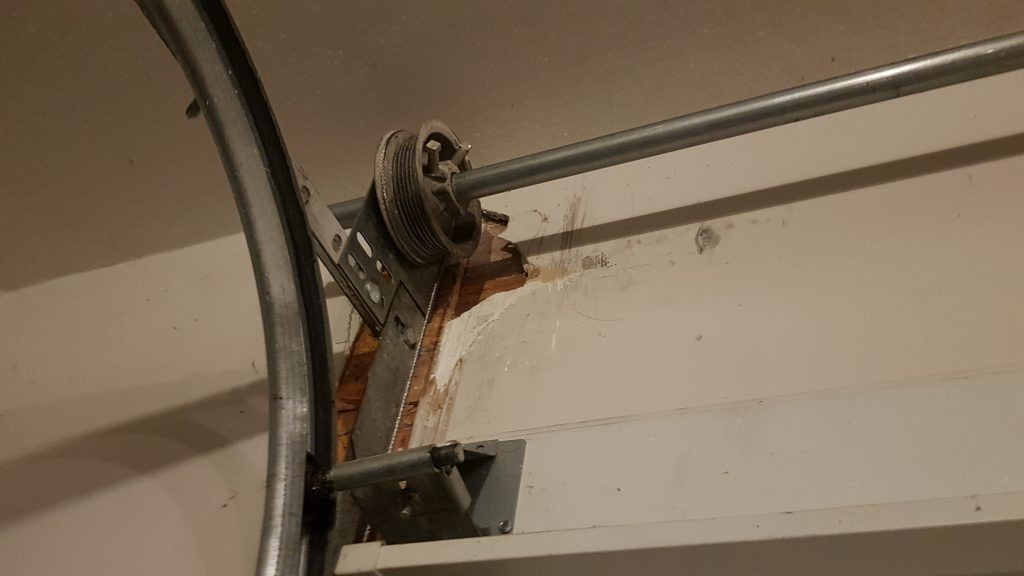
If you’re dealing with a garage door cable door won’t close situation, you’re not alone. Many homeowners encounter this frustrating issue, which can leave your garage exposed and disrupt your daily routine. Understanding the causes and solutions can help you restore your garage door’s function quickly and safely. This guide covers the most common reasons a garage door won’t close due to cable problems, step-by-step troubleshooting, and when to call a professional.
Before diving into the details, it’s helpful to know that cable issues are a frequent culprit behind malfunctioning garage doors. Whether the cables are loose, off the drum, frayed, or broken, these problems can prevent your door from closing properly. Addressing them promptly is essential for both security and convenience.
For a deeper understanding of cable-related issues and how to prevent them, check out this helpful resource on garage door cable common problems.
Common Reasons Your Garage Door Won’t Close Due to Cable Issues
When your garage door refuses to close, cables are often to blame. Here are some of the most frequent cable-related causes:
- Loose or slack cables: If the cables have lost tension, the door may not move smoothly or could get stuck halfway.
- Cables off the drum: When a cable slips off its drum, the door can become uneven or jammed.
- Frayed or broken cables: Damaged cables can’t support the door’s weight, making it unsafe to operate.
- Obstructions or misalignment: Objects in the cable path or misaligned tracks can interfere with cable function.
Identifying the specific cable problem is the first step toward a solution. Sometimes, the issue is visible, such as a dangling or tangled cable. Other times, you may need to inspect the tracks and drums more closely.
Step-by-Step Troubleshooting for Garage Door Cable Problems
Follow these steps to diagnose and potentially fix cable-related garage door issues. Always prioritize safety—if you’re unsure, consult a professional.
1. Inspect the Cables and Drums
Start by visually examining both sides of your garage door. Look for:
- Cables that are loose, off the drum, or visibly frayed
- Drums that appear damaged or out of alignment
- Uneven door movement or a door that’s crooked when attempting to close
If you spot any of these problems, avoid operating the door further to prevent additional damage.
2. Check for Obstructions and Track Alignment
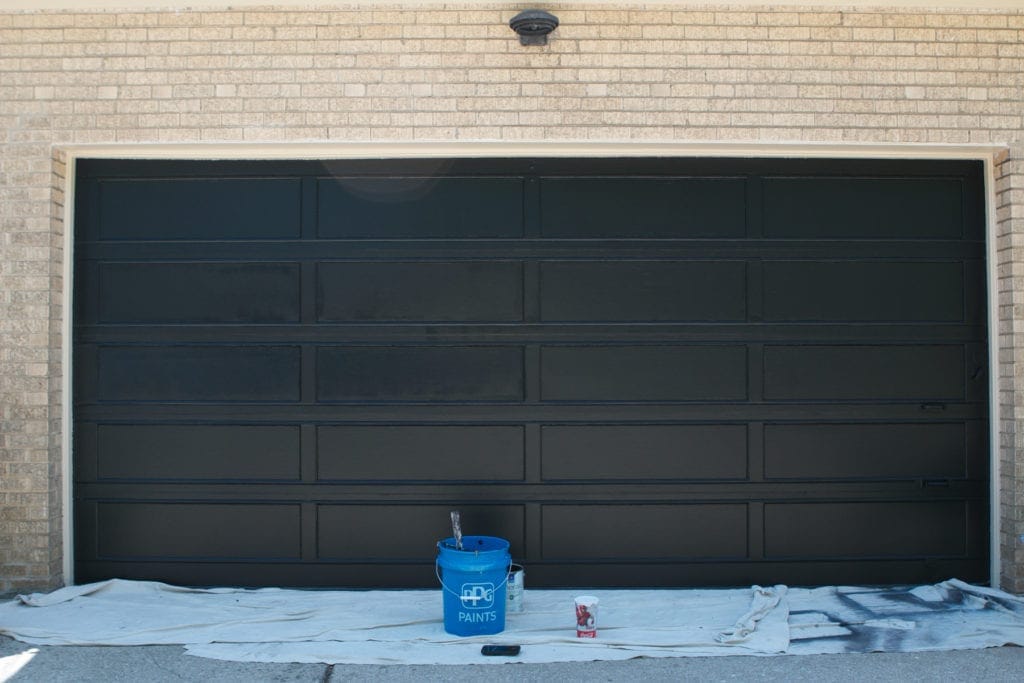
Sometimes, a garage door won’t close because something is blocking the path or the tracks are misaligned. Remove any debris near the cables and tracks. Use a level to check if the tracks are straight and parallel. Misaligned tracks can cause cables to slip or bind.
3. Test the Door’s Balance
Disconnect the opener by pulling the emergency release cord. Manually lift the door halfway and let go. If the door falls or rises quickly, the springs or cables may be unbalanced. This imbalance often results from cable issues and requires immediate attention.
4. Examine the Springs
Both torsion and extension springs work closely with cables. If a spring is broken or stretched, it can affect cable tension and door movement. Never attempt to repair springs yourself—they are under high tension and can be dangerous.
How to Fix Garage Door Cable Issues Safely
Some minor cable problems can be addressed by experienced DIYers, but most repairs are best left to professionals. Here’s what you can do:
- Tighten loose cables: If you have the right tools and experience, you may be able to re-tension a loose cable. Always follow manufacturer instructions and use proper safety gear.
- Remove obstructions: Clear away any debris or objects interfering with the cables or tracks.
- Replace damaged cables: For frayed or broken cables, purchase a compatible replacement kit. If you’re unsure which kit to buy, refer to your door’s manual or consult a technician.
For a comprehensive overview of professional repair techniques and technical details, see the garage door cable professional guide.
When to Call a Professional for Cable Repairs
While some maintenance tasks are manageable, cable repairs can be hazardous due to the high tension involved. Contact a qualified technician if:
- The cables are completely off the drum or tangled
- You notice broken or severely frayed cables
- The door is stuck, crooked, or extremely heavy to lift
- You’re unsure about any repair step
Attempting complex repairs without proper training can result in injury or further damage. Professional technicians have the tools and expertise to restore your garage door’s function safely.
Preventing Future Cable Problems
Regular maintenance is key to avoiding cable-related garage door failures. Here are some prevention tips:
- Inspect cables and hardware every few months for signs of wear
- Lubricate moving parts as recommended by your door manufacturer
- Keep the tracks clean and free of debris
- Address minor issues before they become major problems
For more ways to keep your system running smoothly, review these garage door cable prevention tips and learn how to stop costly breakdowns before they start.
Expert Advice and Additional Resources
If you want to learn more about cable efficiency and optimal garage door performance, explore this guide on garage door cable efficiency. For a checklist of what you need before starting any replacement, consult the garage door cable replacement checklist.
For a detailed overview of what to do and what to avoid when handling cables, see this comprehensive guide to garage door cable dos and don’ts.
Frequently Asked Questions
What should I do if my garage door cable is off the drum?
If you notice a cable has slipped off its drum, stop using the door immediately. Attempting to operate the door can cause further damage or injury. It’s best to contact a professional for safe realignment and repair.
Can I replace garage door cables myself?
While some experienced DIYers can handle cable replacement, it’s a risky task due to the high tension in the system. If you’re not confident or lack the proper tools, hire a professional to avoid injury and ensure the job is done correctly.
How often should I inspect my garage door cables?
Inspect your cables at least every three to six months. Look for signs of fraying, rust, or slack. Regular checks help catch problems early and extend the life of your garage door system.
Why does my garage door stop halfway when closing?
This can be caused by cable issues, track misalignment, or obstructions. Inspect the cables and tracks for visible problems. If you can’t identify the cause, schedule a professional inspection.
Are there signs that cables are about to fail?
Common warning signs include visible fraying, rust, slack, or uneven door movement. Address these issues promptly to prevent a complete failure and potential safety hazards.