A snapped or tangled garage door cable can bring your day to a halt. When this essential part fails, your garage door may become stuck, crooked, or even unsafe to operate. Acting quickly and safely is crucial to prevent further damage or injury. This guide explains what steps to take if you’re facing a garage door cable emergency fix situation, how to identify the problem, and what you can do immediately—plus when to call in a professional.
Understanding the basics of garage door cable systems and knowing a few quick actions can help minimize risks and costs. For those looking to deepen their knowledge or prevent future issues, check out the garage door cable professional guide for technical tips and specifications.
Recognizing a Garage Door Cable Failure
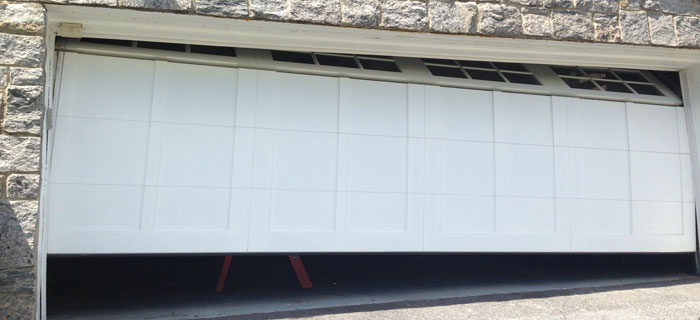
Garage door cables are responsible for lifting and lowering the heavy door safely. When a cable snaps, unravels, or comes off its drum, the door may become lopsided or refuse to open and close. Common signs of cable failure include:
- The door hangs at an angle or appears crooked.
- You hear a loud bang or snap as the cable breaks.
- The door won’t move, or only one side lifts.
- Visible fraying, rust, or a loose cable on the ground.
It’s important to note that a broken cable can put extra stress on other parts, such as springs and pulleys, increasing the risk of further damage or accidents.
Immediate Steps for a Garage Door Cable Emergency Fix
If you discover a cable issue, follow these steps to keep yourself and your property safe:
- Stop Using the Door: Do not attempt to open or close the garage door, especially with an automatic opener. This can worsen the problem or cause injury.
- Disconnect the Opener: Pull the emergency release cord to disengage the opener. This prevents accidental activation while you assess the situation.
- Secure the Area: Keep children and pets away from the garage until repairs are complete. A door with a broken cable can fall unexpectedly.
- Inspect Visually: Look for the broken or loose cable, and check for any other visible damage to springs, brackets, or tracks.
If the door is stuck open and you need to close it temporarily, proceed with extreme caution. It’s best to have another adult help you manually lower the door, supporting both sides evenly. Never attempt to lift a heavy or jammed door by yourself.

Temporary Solutions for a Broken Garage Door Cable
While a true garage door cable emergency fix should be handled by a professional, there are a few temporary measures you can take if you need to secure your garage until help arrives:
- Prop the Door: If the door is stuck open, use sturdy boards or locking pliers clamped to the tracks to prevent it from falling. Do not rely on makeshift supports for long-term safety.
- Lock the Door: If the door is closed, engage the manual lock (if available) to keep your garage secure.
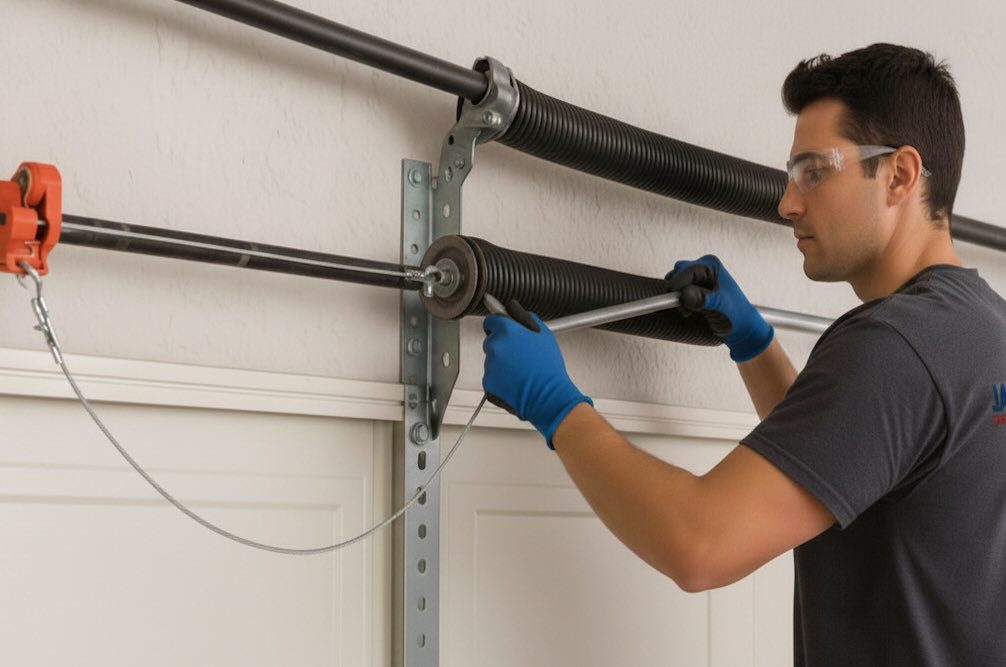
- Do Not Remove Springs: Never attempt to remove or adjust springs yourself. These are under high tension and can cause serious injury.
If you have basic tools and some experience, you may be able to re-seat a cable that has slipped off the drum (not snapped). However, this is only a stopgap and should not replace a full repair.
For a deeper look at cable types and their functions, you can refer to this guide to different types of garage door cables.
When to Call a Professional for Cable Repairs
Most cable emergencies require a trained technician. Attempting a full repair without the right tools and knowledge can be dangerous. Call a professional if:
- The cable is completely broken or frayed.
- The door is off its tracks or severely misaligned.
- You notice damage to springs, drums, or brackets.
- The door is too heavy to move safely by hand.
A qualified repair service will replace the damaged cable, inspect the entire system, and ensure the door is balanced and safe to use. For those interested in long-term solutions, consider reading about a garage door cable system upgrade to modernize your setup.
Preventing Future Cable Emergencies
Regular maintenance is the best way to avoid sudden cable failures. Here are some practical tips:
- Inspect cables monthly for signs of wear, rust, or fraying.
- Lubricate moving parts, including cables and pulleys, as recommended. Learn more about garage door cable lubrication frequency for optimal performance.
- Keep the tracks clear of debris and check for misalignment.
- Schedule professional tune-ups annually to catch issues early.
For more strategies to keep your system running smoothly, review these garage door cable prevention tips and advice on garage door cable corrosion prevention.
Frequently Asked Questions
Can I fix a broken garage door cable myself?
While some minor adjustments can be made by experienced DIYers, most cable repairs involve high tension and risk. It’s safest to contact a professional for a lasting and secure solution.
How can I tell if my garage door cable is about to fail?
Warning signs include visible fraying, rust, or kinks in the cable, as well as unusual noises or the door moving unevenly. Regular inspections can help you spot problems before they become emergencies.
What should I do if my garage door is stuck open due to a cable issue?
First, disconnect the opener and avoid using the door. If you need to close it for security, carefully lower it with help, using sturdy supports to prevent it from falling. Contact a repair service as soon as possible.
Are all garage door cables the same?
No, there are several types of cables designed for different door systems and spring mechanisms. For a detailed overview, see this resource on garage door cable types.
Conclusion
A cable emergency can be stressful, but knowing what to do can help you stay safe and minimize damage. Remember to avoid using the door, secure the area, and call a professional for repairs. Regular maintenance and inspections are key to preventing future problems. For more in-depth information, explore the linked resources throughout this article and keep your garage door system in top shape.