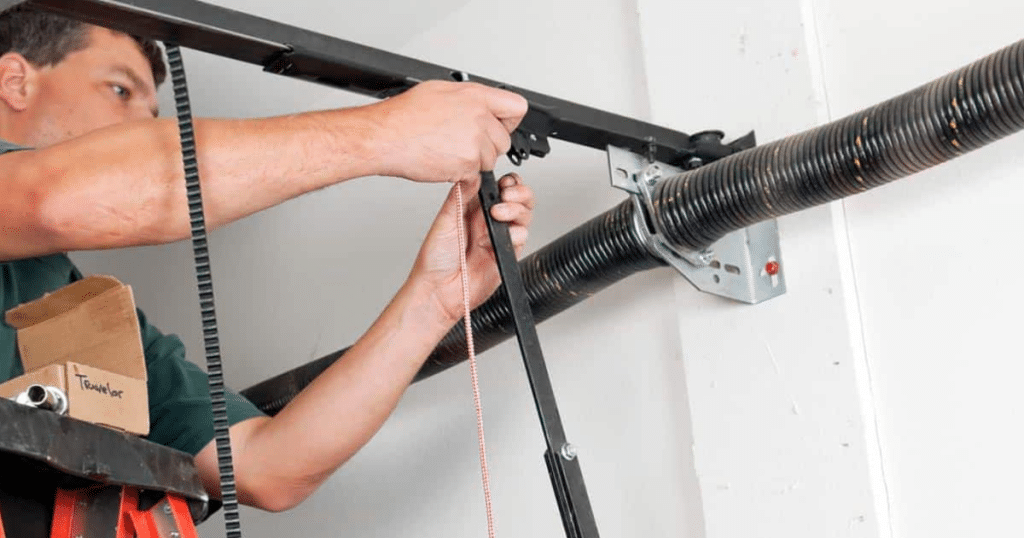
Garage doors rely on a network of cables, springs, and pulleys to operate smoothly and safely. Over time, these cables can wear out, fray, or even snap, putting your property and safety at risk. Recognizing garage door cable warning signs early can prevent costly repairs and dangerous accidents. This article will walk you through the most common symptoms of cable trouble, what to look for during an inspection, and how to respond if you spot an issue.
Understanding the basics of cable maintenance is essential for every homeowner. If you want to dive deeper into the technical side, the garage door cable professional guide offers detailed tips and specifications for both DIYers and professionals.
Why Garage Door Cables Matter
Cables are a critical part of your garage door’s lifting system. They work alongside springs to bear the weight of the door, ensuring smooth and balanced operation. When cables start to fail, your door may become difficult to open, close unevenly, or even get stuck. Ignoring early signs of cable wear can lead to sudden breakage, which may cause property damage or personal injury.
Routine inspection and prompt attention to problems can extend the life of your garage door and keep your household safe.
Top 5 Cable Issues to Watch For
Spotting cable problems early is the key to avoiding emergencies. Here are five crucial things to check when inspecting your garage door system:
1. Frayed or Broken Cable Strands
One of the most obvious garage door cable warning signs is visible fraying. Over time, steel cables can develop broken wires or unravel, especially near the ends where they attach to the drum or bracket. If you notice any broken strands, exposed wires, or unraveling, the cable is compromised and should be replaced immediately.
- Inspect both sides of the door for frayed sections.
- Pay close attention to the bottom bracket and drum area.
- Do not attempt to operate the door if significant fraying is present.
Frayed cables can snap under tension, causing the door to fall or become unbalanced. For tips on preventing these issues, see the garage door cable prevention tips guide.
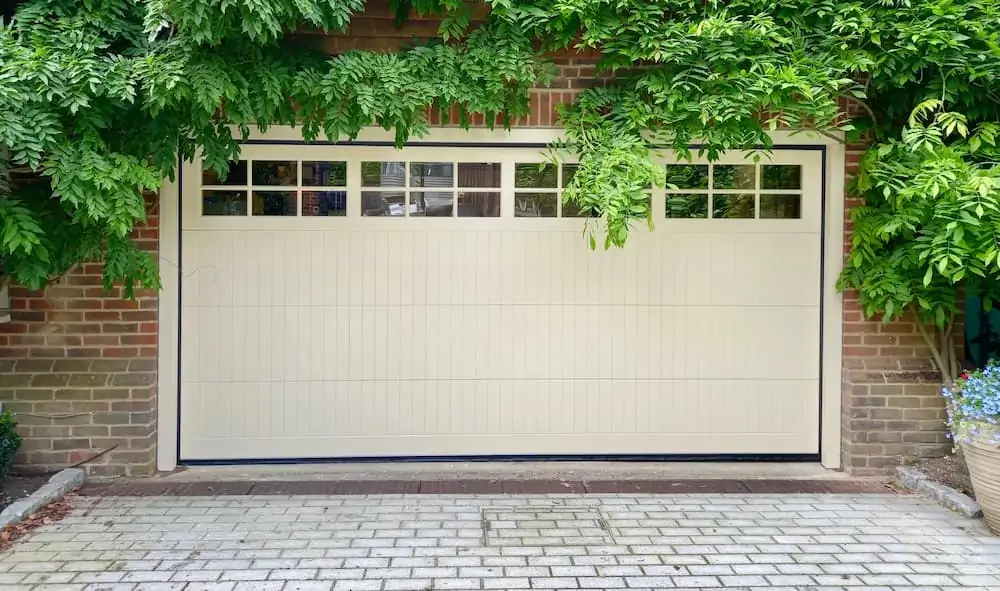
2. Rust, Corrosion, or Discoloration
Steel cables are vulnerable to moisture, especially in humid or coastal environments. Rust or corrosion weakens the metal, making it more likely to snap under load. Signs of trouble include:
- Orange or brown discoloration on the cable surface
- Flaking or pitting of the metal
- Stiffness or rough texture when touched
Corrosion is often a sign that your garage is too damp or the cables are not properly lubricated. For long-term care, review the garage door cable corrosion prevention guide for actionable maintenance steps.
3. Loose or Unwound Cables
If you notice that the cables have slipped off the drum or appear slack when the door is closed, this is a serious issue. Loose cables can cause the door to become unbalanced, jam, or even fall unexpectedly. Common causes include:
- Improper tensioning during installation
- Worn or damaged drums and pulleys
- Broken springs affecting cable tension
Never attempt to rewind or tighten cables yourself unless you have experience with garage door systems. The tension in these cables can cause severe injury if handled incorrectly.
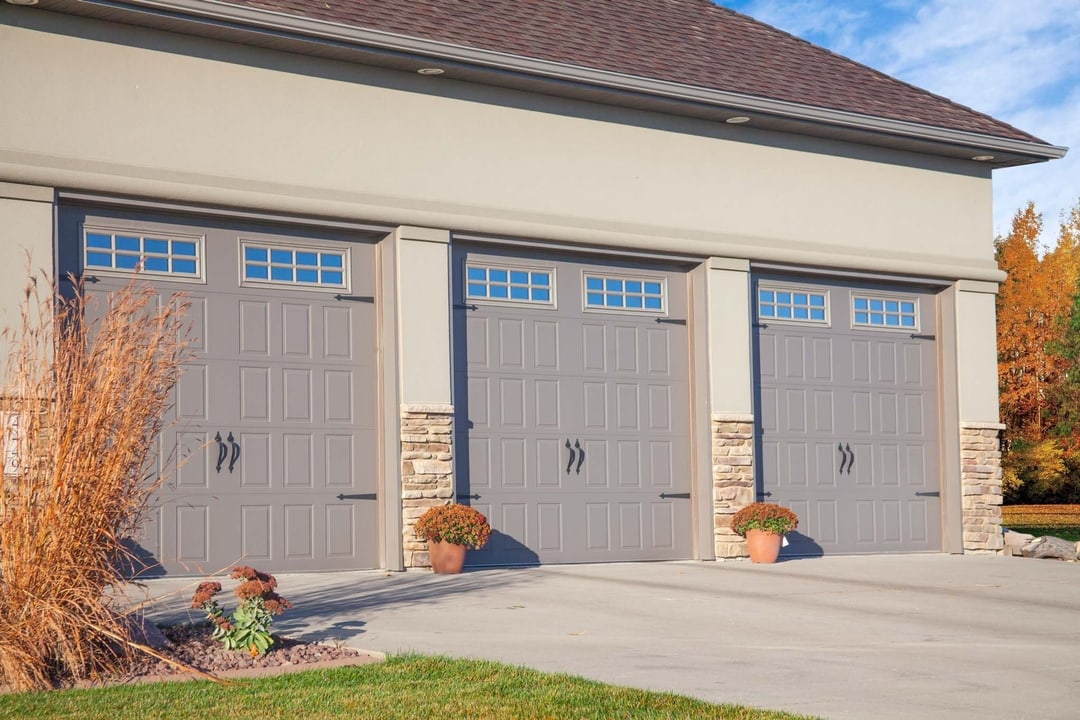
4. Door Jerking, Sticking, or Uneven Movement
When cables are damaged or misaligned, your garage door may move unevenly, jerk during operation, or get stuck partway. These symptoms often indicate that one cable is carrying more weight than the other, or that a cable has come off its drum. If you notice:
- The door is crooked when opening or closing
- Sudden stops or jerks in movement
- Unusual noises, such as grinding or snapping sounds
Stop using the door and schedule a professional inspection. Continuing to use a door with cable issues can cause further damage to the tracks, opener, and other components.
5. Visible Wear at Cable Attachments
The points where cables attach to the bottom bracket and drum are under constant stress. Look for signs of wear, such as:
- Fraying or thinning near the attachment point
- Loose fasteners or brackets
- Movement or shifting of the cable during operation
These areas are critical for safe operation. If you spot any wear or movement, have the system checked by a professional. For those considering improvements, the garage door cable system upgrade article covers modern solutions for enhanced safety and reliability.
How to Inspect Garage Door Cables Safely
Before starting any inspection, make sure the garage door is fully closed and disconnected from the opener. Never touch cables under tension or attempt repairs without proper training. Use a flashlight to check both sides of the door, focusing on the areas mentioned above. If you spot any of the garage door cable warning signs, contact a qualified technician for repairs.
Regular maintenance, including lubrication and cleaning, can help prevent many cable issues. For guidance on how often to lubricate your cables, refer to the garage door cable lubrication frequency resource.
What to Do If You Find a Problem
If you notice any of the warning signs listed, stop using your garage door immediately. Continuing to operate a door with damaged cables can lead to sudden failure and potential injury. Contact a professional garage door technician for an assessment and repair. If you’re interested in learning about the dos and don’ts of cable maintenance, check out this comprehensive guide on garage door cable safety.
Replacing cables is not a DIY job for most homeowners, as the cables are under high tension and can cause serious injury if mishandled. Always prioritize safety and use high-quality replacement parts designed for your specific door model.
FAQ: Common Questions About Garage Door Cable Issues
How often should I inspect my garage door cables?
It’s recommended to visually inspect your cables every three to six months, especially if your garage is exposed to moisture or heavy use. Look for fraying, rust, and other signs of wear during routine maintenance.
Can I lubricate garage door cables myself?
Yes, you can apply a light lubricant to the cables to help prevent rust and ensure smooth operation. However, avoid over-lubricating or using heavy grease, as this can attract dirt and debris. For best practices, follow the manufacturer’s recommendations or consult a professional.
Is it safe to replace garage door cables on my own?
Replacing cables involves working with components under high tension, which can be dangerous without proper tools and experience. It’s best to hire a trained technician for cable replacement to ensure your safety and the correct functioning of your garage door system.
What causes garage door cables to fail?
Common causes include normal wear and tear, rust and corrosion, improper installation, and lack of maintenance. Environmental factors such as humidity and road salt can also accelerate cable deterioration.
Conclusion
Staying alert to garage door cable warning signs is crucial for the safety and longevity of your garage door system. Regular inspections, prompt repairs, and proper maintenance can help you avoid unexpected breakdowns and costly repairs. If you notice any of the issues discussed in this article, consult a professional technician to keep your garage door operating safely and smoothly.