Garage doors rely on a system of cables and springs to open and close smoothly. Over time, these cables can begin to show signs of wear, most notably fraying. Garage door cable fraying is a serious safety concern that should never be ignored. If left unaddressed, it can lead to sudden cable failure, property damage, or even injury. Understanding when to act and how to spot the warning signs is essential for any homeowner or property manager.
This guide explains why frayed cables are dangerous, how to recognize early symptoms, and what steps to take if you notice your garage door cables are wearing out. For those seeking more technical details, the garage door cable professional guide offers in-depth information on cable types and specifications.
Why Frayed Garage Door Cables Are a Serious Hazard
When a garage door cable begins to fray, it means the metal strands that make up the cable are breaking apart. This weakens the cable’s ability to support the heavy weight of the door. If the cable snaps, the door can drop suddenly, causing significant damage or putting anyone nearby at risk of injury.
Fraying is often a sign of age, corrosion, or inadequate maintenance. In some cases, cables may rub against other hardware, accelerating wear. For this reason, regular inspection and prompt replacement are critical for safety and reliability.
Common Causes of Cable Wear and Fraying
Several factors contribute to garage door cable fraying:
- Age and Fatigue: Cables naturally weaken over years of use, especially in high-cycle doors.
- Corrosion: Exposure to moisture, salt, or chemicals can cause rust, making cables brittle and prone to breaking.
- Poor Alignment: Misaligned pulleys or drums can cause cables to rub and wear unevenly.
- Lack of Maintenance: Dirt, dust, and lack of lubrication can accelerate cable deterioration.
- Improper Installation: Incorrect cable routing or tension can lead to premature fraying.
To minimize these risks, follow garage door cable prevention tips for routine care and inspection.
How to Spot Early Signs of Cable Fraying
Early detection is key to preventing sudden failure. Here’s what to look for during a visual inspection:
- Visible Broken Strands: Look for individual wires sticking out or missing from the cable bundle.
- Rust or Discoloration: Orange or brown spots indicate corrosion, which weakens the cable.
- Kinks or Bends: Sharp bends or twists can cause internal damage, even if the cable looks intact from the outside.
- Looseness or Slack: Cables that appear loose or sagging may be stretched or damaged.
- Unusual Noises: Squeaking, grinding, or popping sounds during operation can signal cable problems.
It’s important to inspect both sides of the door, as cables may wear unevenly. If you notice any of these symptoms, it’s time to consider immediate replacement.

When to Replace Frayed Garage Door Cables Immediately
Not all cable wear is equal. Minor surface rust or slight discoloration may not require urgent action, but any visible fraying or broken strands means the cable is compromised. Immediate replacement is necessary if:
- You see broken or unraveling wires.
- The cable is visibly thinning or has flat spots.
- There are kinks, bends, or severe rust.
- The door is uneven, jerky, or won’t stay open.
Delaying replacement can result in a sudden break, which may cause the door to fall or become stuck. For a step-by-step overview of the replacement process, see the garage door cable replacement checklist.
How to Replace Garage Door Cables Safely
Replacing cables is a task that requires caution. Garage doors are under high tension, and improper handling can be dangerous. Here’s a general outline of the process:
- Disconnect the garage door opener and secure the door in the open position.
- Release tension from the springs carefully (consult your door’s manual).
- Remove the old, frayed cable from the drum and bottom bracket.
- Install the new cable, making sure it’s routed correctly and tensioned evenly.
- Test the door’s balance and operation before reconnecting the opener.
If you’re not comfortable with these steps, it’s best to hire a professional. For those interested in a DIY approach, this detailed guide to installing garage door springs and cables covers the process thoroughly.

Preventing Cable Fraying and Extending Cable Life
While all cables will eventually wear out, you can extend their lifespan with proper care:
- Inspect cables every few months for signs of wear or corrosion.
- Keep cables clean and free of debris.
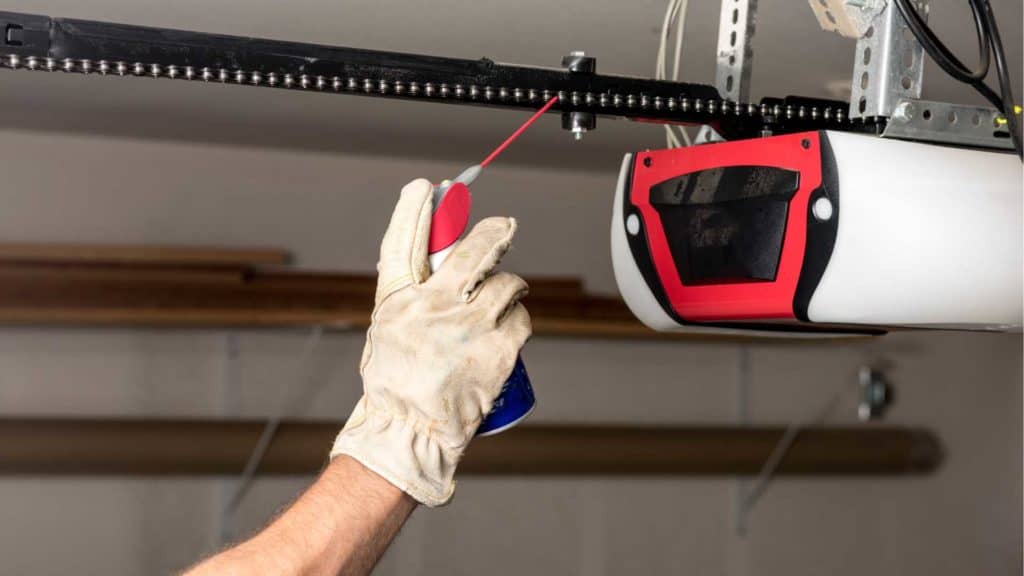
- Lubricate moving parts, including pulleys and drums, with a silicone-based spray.
- Ensure the door is balanced and tracks are aligned.
- Replace worn or rusted hardware promptly.
For more on optimizing your system, the garage door cable efficiency resource explains how to keep your door operating smoothly and safely.
Upgrading Your Garage Door Cable System
If your garage door is older or you’ve experienced repeated cable issues, it may be time for an upgrade. Modern cable systems offer improved durability and safety features. Upgrading can also make your door quieter and more efficient. Learn about the latest options in the garage door cable system upgrade overview.
Frequently Asked Questions
How long do garage door cables typically last?
Most garage door cables last between 7 and 15 years, depending on usage, environment, and maintenance. High-cycle doors or those exposed to harsh weather may need replacement sooner.
Can I repair a frayed garage door cable, or must it be replaced?
Frayed cables should always be replaced, not repaired. Attempting to fix a damaged cable can compromise safety and lead to sudden failure.
Is it safe to use my garage door if the cable is fraying?
No, using a door with a frayed cable is unsafe. The risk of sudden breakage increases, which can cause the door to fall or become stuck. Replace the cable as soon as possible to avoid accidents.
What should I do if both cables are fraying at the same time?
If both cables show signs of wear, replace them together to ensure balanced operation and prevent uneven stress on the door system.
Do I need special tools to replace garage door cables?
Replacing cables often requires winding bars, wrenches, and safety equipment. If you’re unsure, it’s best to hire a professional to avoid injury.