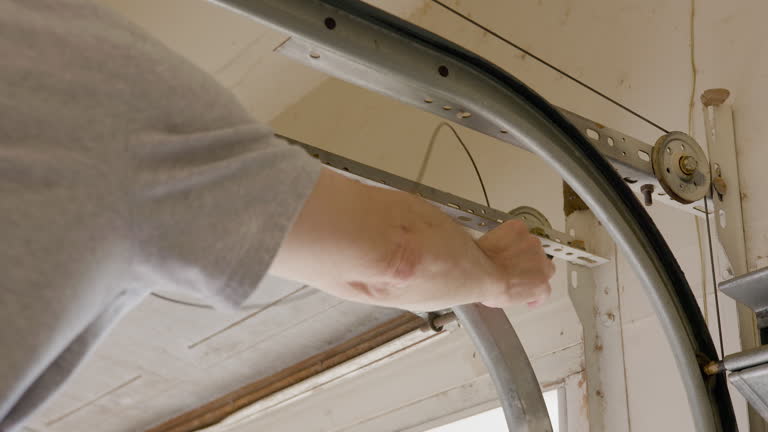
When a garage door cable snaps or comes off its drum, it can leave your vehicle trapped and your home exposed. Garage door cable emergency repair is a critical service for homeowners facing sudden breakdowns, especially outside regular business hours. Understanding what to do in these urgent situations can help you restore safety and access quickly, while minimizing further damage or risk.
This guide covers what causes cable failures, how to identify an emergency, and the safest steps to take. You’ll also find practical advice on temporary fixes, when to call professionals, and how to prevent future issues. For a deeper dive into cable basics, check out the garage door cable beginner guide for homeowners.
Recognizing a Garage Door Cable Emergency
Garage door cables are essential for balanced, safe operation. When one fails, the door can become crooked, jammed, or even dangerously heavy. Signs of an urgent cable problem include:
- The door is stuck halfway or hangs at an angle.
- You hear a loud snap or see a cable dangling.
- The opener strains but the door won’t move.
- The door slams shut or won’t stay open.
These symptoms mean the door is unsafe to use. Attempting to operate it can cause further damage or injury. If you notice any of these signs, stop using the door immediately and assess the situation.
Common Causes of Sudden Cable Failure
Several factors can lead to a need for garage door cable emergency repair. The most frequent causes include:
- Wear and tear: Cables fray over time due to repeated lifting and lowering.
- Rust or corrosion: Moisture and salt can weaken steel cables, especially in humid climates.
- Poor maintenance: Lack of lubrication and infrequent inspections allow small issues to become big problems.
- Misalignment: If the door tracks are out of line, cables can slip off the drum or pulley.
- Improper installation: Incorrect cable routing or tensioning can cause premature failure.
For more on the root causes and how to spot them early, see the garage door cable common problems resource.
What to Do When a Cable Breaks
When facing a cable emergency, safety is the top priority. Here’s what you should do:
- Stop using the opener. Disconnect the automatic opener to prevent further strain or damage.
- Do not try to lift the door manually. Without both cables, the door may be unbalanced and extremely heavy.
- Secure the area. Keep children and pets away from the door until it’s fixed.
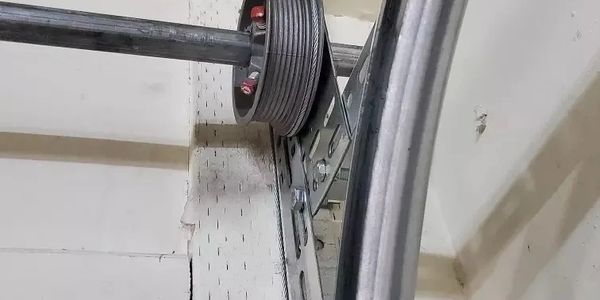
- Visually inspect the damage. Look for frayed, snapped, or loose cables, and note whether the door is off its tracks.
- Contact a professional. Emergency repair specialists are trained to handle high-tension components safely and can restore function quickly.
Attempting a DIY fix is not recommended unless you have experience with garage door systems. The springs and cables are under high tension and can cause serious injury if mishandled.
Temporary Solutions Until Help Arrives
If you’re waiting for a technician, there are a few steps you can take to minimize risk and protect your property:
- Lock the door: If the door is partially open, use locking pliers or C-clamps on the tracks to prevent it from falling.
- Cover the opening: If the door is stuck open, use plywood or a tarp to secure your garage temporarily.
- Unplug the opener: Prevent accidental activation by disconnecting the power to the opener.
These measures can help keep your home secure and prevent further damage until professional help arrives.
How Emergency Repair Services Work
Many garage door companies offer 24/7 emergency repair for cable failures. Here’s what to expect from a rapid-response service:
- Quick dispatch: Technicians are available day and night to handle urgent repairs.
- On-site assessment: The specialist will inspect the cables, springs, and tracks to determine the cause and extent of the damage.
- Safe cable replacement: Using proper tools and techniques, the technician will replace broken cables and rebalance the door.
- System check: After repairs, the entire door system is tested for smooth, safe operation.
- Advice on prevention: Many companies provide tips to help you avoid future emergencies.
For a technical perspective on cable types and specifications, the garage door cable professional guide offers detailed insights for those interested in the mechanics.
Preventing Future Cable Emergencies
While not all cable failures can be predicted, regular maintenance greatly reduces the risk of sudden breakdowns. Here are some prevention tips:
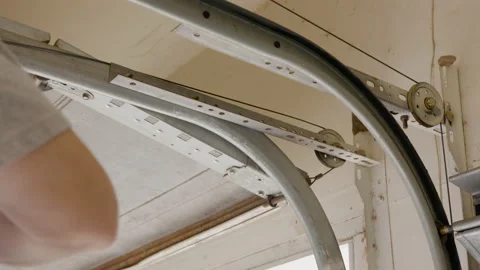
- Inspect cables regularly: Look for fraying, rust, or loose strands every few months.
- Lubricate moving parts: Use a silicone-based spray on cables, pulleys, and rollers to minimize friction.
- Keep tracks aligned: Misaligned tracks put extra strain on cables and can cause them to slip or snap.
- Schedule annual professional tune-ups: A technician can spot early warning signs and adjust tension as needed.
For more strategies to avoid costly breakdowns, read the garage door cable prevention tips article.
Understanding the Role of Garage Door Cables
Cables are a critical component in both torsion and extension spring systems. They work in tandem with springs to lift and lower the door smoothly and safely. Without properly functioning cables, the entire system is compromised.
If you’re curious about the technical function of these components, this guide to garage door cable functions provides a detailed explanation of how cables support the weight and balance of your garage door.
When to Replace vs. Repair Cables
Not all cable issues require a full replacement. Minor fraying or a slipped cable can sometimes be repaired if caught early. However, if the cable is snapped, severely rusted, or has multiple broken strands, replacement is the safest option. A professional can advise on the best course of action based on the cable’s condition and the age of your door system.
For homeowners focused on smooth operation, the garage door cable efficiency resource explains how well-maintained cables contribute to effortless lifting and longer system life.
FAQ: Fast Answers to Garage Door Cable Emergencies
How dangerous is a broken garage door cable?
A broken cable can make the door extremely heavy and unstable. Attempting to lift or operate the door can cause it to fall or become further damaged, posing a risk of injury. Always treat cable failures as a safety hazard and avoid DIY repairs unless you have proper training.
Can I open my garage door if a cable has snapped?
It is not safe to open the door with a snapped cable. The door may become unbalanced and could fall unexpectedly. Disconnect the opener and wait for a professional to assess and repair the issue.
How quickly can emergency repair services respond?
Many companies offer 24/7 response and can often arrive within an hour, depending on your location and technician availability. Fast service is especially important if your car is trapped or your home is unsecured.
What should I do if both cables are off the drum?
If both cables have come off, do not attempt to move the door. Secure the area, unplug the opener, and call a repair specialist immediately. Trying to fix both cables without the right tools and knowledge can be extremely dangerous.
How can I tell if my cables need replacing?
Look for visible signs such as fraying, rust, or broken strands. If the door is not operating smoothly or makes unusual noises, have a technician inspect the cables during your next maintenance visit.
Dealing with a garage door cable emergency can be stressful, but knowing what to do and who to call makes all the difference. With the right information and quick action, you can restore safety and convenience to your home in no time.