A functioning garage door relies on a network of moving parts, and the cables are among the most critical. When a cable snaps, it can leave your garage door stuck, unbalanced, or even dangerous to operate. Understanding the main garage door cable failure causes helps homeowners prevent unexpected breakdowns, avoid costly repairs, and maintain a safe environment.
Garage door cables are under constant tension and support the heavy weight of the door. Over time, wear and tear, environmental factors, and improper maintenance can all contribute to cable failure. In this article, we’ll explore the most common reasons garage door cables break, how to spot early warning signs, and what you can do to extend their lifespan.
If you’re new to garage door maintenance, you might find the garage door cable beginner guide helpful for understanding the basics before diving deeper into the causes of cable problems.
Understanding How Garage Door Cables Work
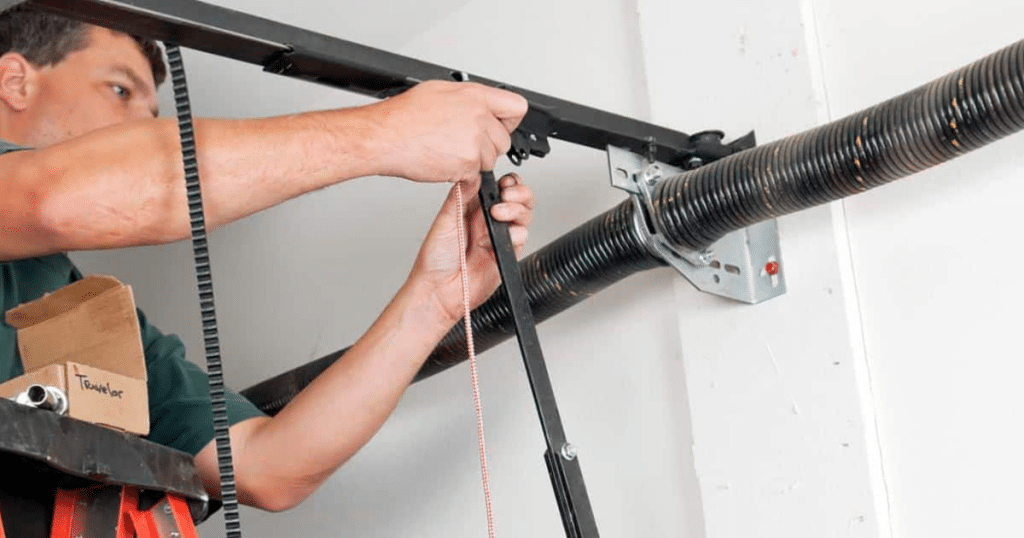
Garage door cables are typically made of steel and are designed to lift and lower the door smoothly. They work in tandem with the springs—either torsion or extension types—to balance the door’s weight. When the cables are in good condition, the door operates quietly and efficiently. However, any weakness or damage in the cables can quickly lead to operational issues or complete failure.
There are two main types of cables used in residential garage doors:
- Lifting cables: These are attached to the bottom corners of the door and wind around drums as the door opens.
- Safety cables: Used with extension spring systems, these run through the springs to prevent injury if a spring breaks.
Top Reasons Garage Door Cables Break
Several factors contribute to cable snapping. Recognizing these garage door cable failure causes can help you take preventive action.
1. Normal Wear and Tear
Garage door cables are subject to repeated cycles of tension and release. Over years of daily use, the steel strands can fray, weaken, and eventually snap. This is the most common reason for cable failure, especially in older doors or those that have not been serviced regularly.
2. Rust and Corrosion
Exposure to moisture, humidity, or road salt (especially in winter climates) can cause cables to rust. Corrosion weakens the steel, making it brittle and more likely to break under tension. Regularly inspecting and lubricating cables can help prevent rust from forming.
3. Poor Installation or Low-Quality Materials
If cables are installed incorrectly or made from substandard materials, they are more likely to fail prematurely. Using the right type and gauge of cable for your specific door is essential. Professional installation ensures proper tension and alignment, reducing the risk of early breakage.
4. Misaligned or Damaged Pulleys and Drums
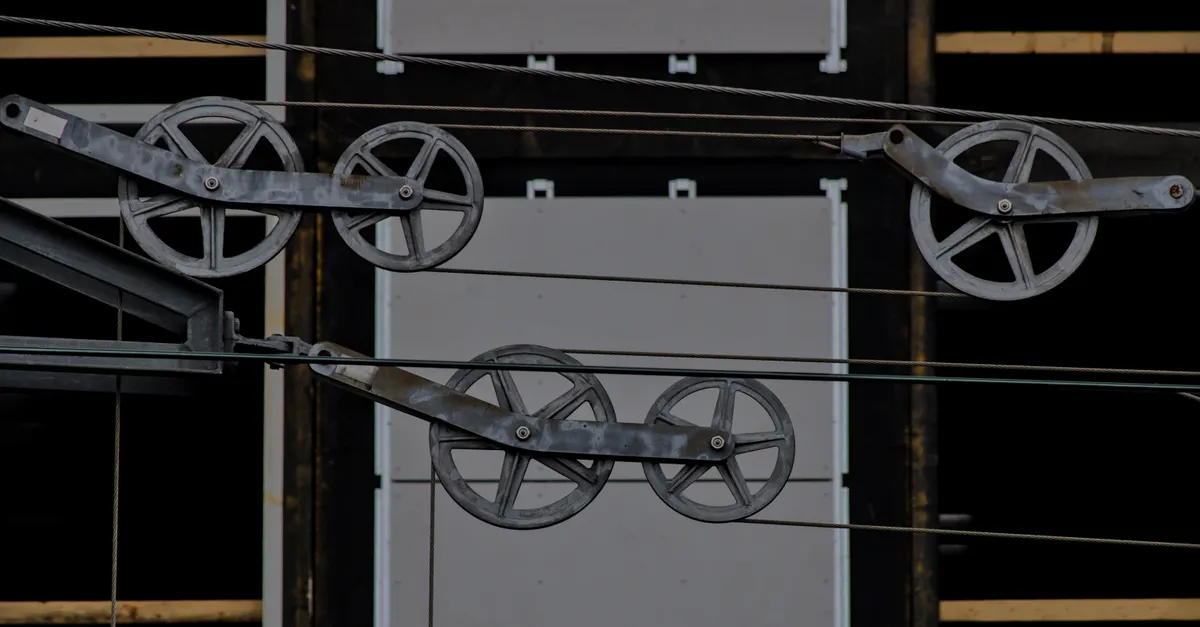
Cables run over pulleys and drums as the door moves. If these components are bent, worn, or misaligned, they can cause the cable to rub, fray, or slip off track. This uneven wear leads to premature cable snapping. Regular inspection and prompt repair of pulleys and drums can help avoid this issue.
5. Excessive Door Weight or Obstructions
If a garage door is heavier than the cables are rated for—perhaps due to added insulation or hardware—the extra weight puts additional strain on the cables. Similarly, if the door encounters an obstruction while closing, the sudden stop can cause the cable to snap. Always ensure the door is clear before operating and that cables are appropriate for the door’s weight.
Warning Signs of Cable Problems
Spotting cable issues early can prevent a complete failure. Watch for these signs:
- Visible fraying or broken strands in the cable
- Rust spots or discoloration on the cables
- Loose or slack cables when the door is open or closed
- Unusual noises during operation, such as grinding or scraping
- The door appears crooked or doesn’t open/close smoothly
If you notice any of these symptoms, it’s important to address them quickly. For more troubleshooting advice, see the garage door cable common problems resource.
How to Prevent Garage Door Cable Failures
While some cable failures are inevitable with age, many can be prevented with routine care and attention. Here are some practical steps:
- Inspect cables regularly: Look for signs of wear, rust, or fraying every few months.
- Lubricate moving parts: Use a silicone-based lubricant on cables, pulleys, and springs to reduce friction and prevent rust.
- Keep the area clean: Remove debris and dirt from tracks and around the door to prevent obstructions.
- Schedule professional maintenance: Annual service by a qualified technician can catch issues before they become serious.
- Replace both cables together: If one cable breaks, the other is likely close to failure as well.
For more strategies on avoiding cable breakdowns, the garage door cable prevention tips article offers additional guidance.
What to Do If a Garage Door Cable Snaps
If a cable breaks, stop using the door immediately. Attempting to operate a door with a broken cable can cause further damage or injury. Secure the area and contact a professional for repairs. Replacing cables involves high tension and can be dangerous without the right tools and experience.
If you’re considering a DIY approach, make sure to use high-quality replacement parts and follow all safety precautions. For a deeper dive into technical specifications and repair tips, consult the garage door cable professional guide.
Expert Tips for Extending Cable Lifespan
A few proactive habits can help you get the most out of your garage door cables:
- Choose galvanized or stainless steel cables for better corrosion resistance.
- Address any misalignment or uneven movement in your door promptly.
- Keep an eye on the balance of your door—an unbalanced door puts extra stress on cables.
- Don’t ignore unusual sounds or changes in door movement.
For more in-depth advice on optimizing your system, the garage door cable efficiency guide covers how to keep your door running smoothly.
Additional Resources and Safety Information
When dealing with garage door cables, safety should always come first. If you’re unsure about the condition of your cables or how to perform maintenance, consult a professional. For a comprehensive overview of cable care, the dos and don’ts of garage door cables article provides helpful external guidance.
Frequently Asked Questions
How often should garage door cables be replaced?
Most cables last between 7 and 15 years, depending on usage and environmental conditions. If you notice fraying, rust, or other signs of wear, it’s best to replace them sooner rather than later.
Can I replace garage door cables myself?
While some experienced DIYers can handle cable replacement, it involves working with high-tension components and can be dangerous. For most homeowners, hiring a professional is the safest option.
What maintenance helps prevent cable snapping?
Regular inspection, lubrication, and keeping the door balanced are key. Address any issues with pulleys, drums, or alignment promptly to prevent unnecessary strain on the cables.