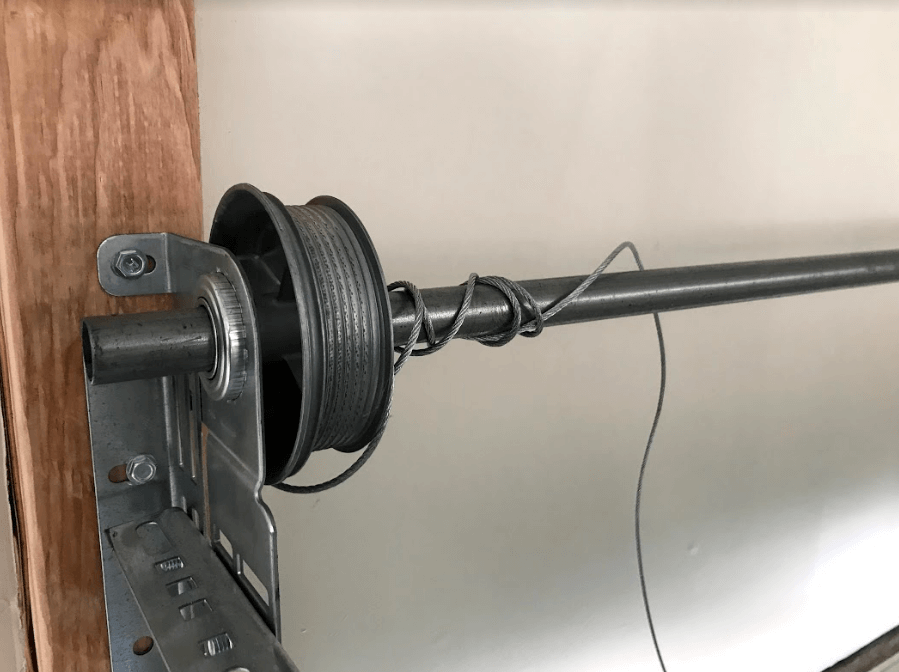
A misaligned or uneven garage door is more than just an eyesore—it’s a sign of a deeper mechanical issue that could compromise your door’s safety and function. One of the most common causes is a garage door cable imbalance. When the cables on either side of your door lose tension or become misaligned, the door may tilt, jam, or refuse to open and close smoothly. Addressing this problem quickly can prevent further damage and keep your garage secure.
Understanding what causes cable issues and how to address them is essential for any homeowner. In this guide, you’ll learn how to spot the signs of cable trouble, what steps to take for a basic fix, and when it’s time to call in a professional. If you’re interested in a more technical overview, the garage door cable professional guide offers detailed specs and troubleshooting tips.
What Causes Garage Door Cable Imbalance?
A garage door relies on a pair of steel cables to lift and lower evenly. When either cable loses tension, frays, or slips off its drum, the door can become crooked or stuck. Common causes include:
- Wear and Tear: Over time, cables can stretch, fray, or corrode, especially in harsh climates.
- Pulley or Drum Failure: Worn pulleys or misaligned drums can cause cables to slip or wind unevenly.
- Improper Installation: If cables are not installed at equal tension, imbalance can occur from the start.
- Obstructions: Debris in the tracks or around the cable drums can disrupt smooth movement.
- Spring Issues: Weak or broken springs can put extra strain on cables, leading to uneven lifting.
If you notice your garage door leaning to one side or hear grinding noises during operation, it’s likely a sign of cable trouble. For seasonal tips on preventing these issues, see the garage door cable seasonal maintenance resource.
Signs Your Garage Door Is Suffering from Cable Problems
Recognizing the early symptoms of a cable issue can save you from more expensive repairs down the line. Here are some of the most common warning signs:
- The door appears crooked or uneven when opening or closing.
- One side of the door moves faster than the other.
- You hear snapping, grinding, or scraping noises.
- The door gets stuck partway or won’t open at all.
- Visible fraying or slack in one or both cables.
If you spot any of these issues, stop using the door immediately to avoid further damage or injury. For more on protecting cables from environmental factors, check out the garage door cable moisture damage guide.
How to Fix a Crooked Garage Door Due to Cable Imbalance
While some minor adjustments can be made by a handy homeowner, working with garage door cables and springs can be dangerous due to the high tension involved. If you’re not experienced, it’s best to consult a professional. However, if you’re comfortable with basic repairs, here’s a general outline of the process:
- Unplug the Opener: Disconnect the automatic opener to prevent accidental activation.
- Release Tension: If your door uses extension springs, open the door fully and secure it with locking pliers or clamps. For torsion springs, it’s safest to leave adjustments to a pro.
- Inspect the Cables: Look for fraying, rust, or slack. Replace any damaged cables with new ones of the correct length and gauge.
- Check Pulleys and Drums: Ensure they spin freely and are properly aligned.
- Rewind or Reseat the Cable: If a cable has slipped off its drum, carefully guide it back into place, ensuring even tension on both sides.
- Test the Door: Remove clamps and operate the door manually to check for smooth, level movement.
If you’re unsure about any step, or if your door uses torsion springs, always contact a qualified technician. For more on cable types and replacement, see this in-depth guide to garage door cables.
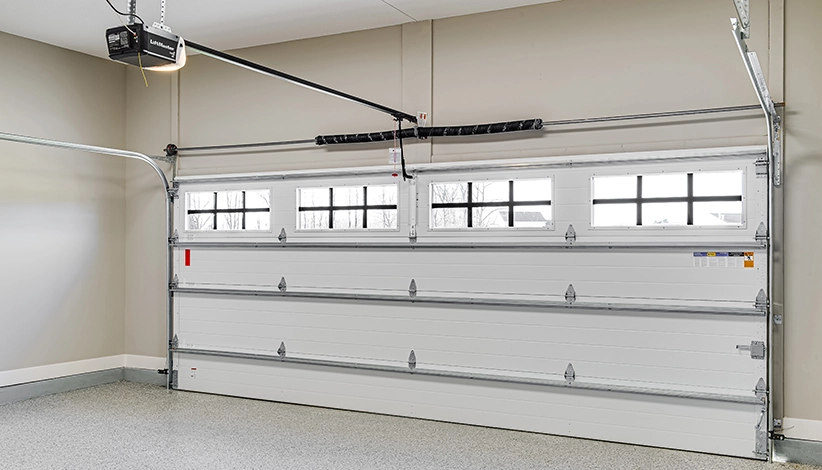
Preventing Future Cable Imbalances
Regular maintenance is the best way to avoid cable issues. Here are some practical steps to keep your garage door operating smoothly:
- Lubricate cables, pulleys, and springs every few months with a silicone-based spray.
- Inspect cables for fraying, rust, or slack at least twice a year.
- Keep tracks clear of debris and check for obstructions around the drums.
- Test door balance by disconnecting the opener and lifting the door manually—it should stay open about halfway without drifting.
- Replace worn or damaged cables promptly to prevent further strain on the system.
For tips on protecting cables during cold weather, the garage door cable winter issues guide offers practical advice.
When to Call a Professional for Garage Door Cable Issues
While minor cable adjustments can be handled by experienced DIYers, certain situations require professional help:
- The cable is completely snapped or severely frayed.
- The door is stuck open or closed and won’t move.
- You suspect problems with the torsion spring system.
- The door is extremely heavy or difficult to lift manually.
- There are signs of additional damage to tracks, rollers, or panels.
Attempting to repair high-tension components without proper tools and training can lead to serious injury. A certified technician can safely restore balance and ensure all parts are functioning correctly.
Frequently Asked Questions
What are the risks of ignoring a cable imbalance?
Leaving a garage door with uneven cables can lead to further mechanical failures, including damage to the tracks, rollers, and opener. It also increases the risk of the door falling or becoming stuck, which can be hazardous.
Can I fix a garage door cable issue myself?
Some minor adjustments, such as reseating a slipped cable or replacing a worn pulley, can be done by experienced DIYers. However, repairs involving springs or high-tension cables should be left to professionals to avoid injury.
How often should garage door cables be replaced?
Cables typically last 5–7 years, depending on usage and environmental conditions. Inspect them at least twice a year and replace them at the first sign of fraying, rust, or slack.
Conclusion
A garage door cable imbalance is a common but serious issue that can affect the safety and performance of your garage door. By recognizing the signs early, performing regular maintenance, and knowing when to call a professional, you can keep your door operating smoothly for years to come. For more in-depth tips on preventing corrosion and extending cable life, visit the garage door cable corrosion prevention guide.