Choosing the correct cable length for your garage door is essential for smooth operation, safety, and long-term reliability. Whether you’re replacing worn cables or installing a new system, understanding the right measurements and specifications will help you avoid costly mistakes. This garage door cable length guide covers everything you need to know to determine the exact size for your setup, from the basics of cable types to practical measuring tips and troubleshooting advice.
Before diving into the details, it’s helpful to familiarize yourself with the basics of garage door cables. If you’re new to this topic, the garage door cable beginner guide offers a solid introduction for homeowners. For those looking to prevent future issues, check out garage door cable prevention tips for proactive maintenance advice.
Understanding Garage Door Cable Types and Their Roles
Garage doors rely on strong, flexible cables to lift and lower the door safely. There are two main types of cables used in residential systems:
- Torsion spring cables: These run from the bottom bracket of the door up to the drums mounted near the top of the door frame. They work with torsion springs to balance the door’s weight.
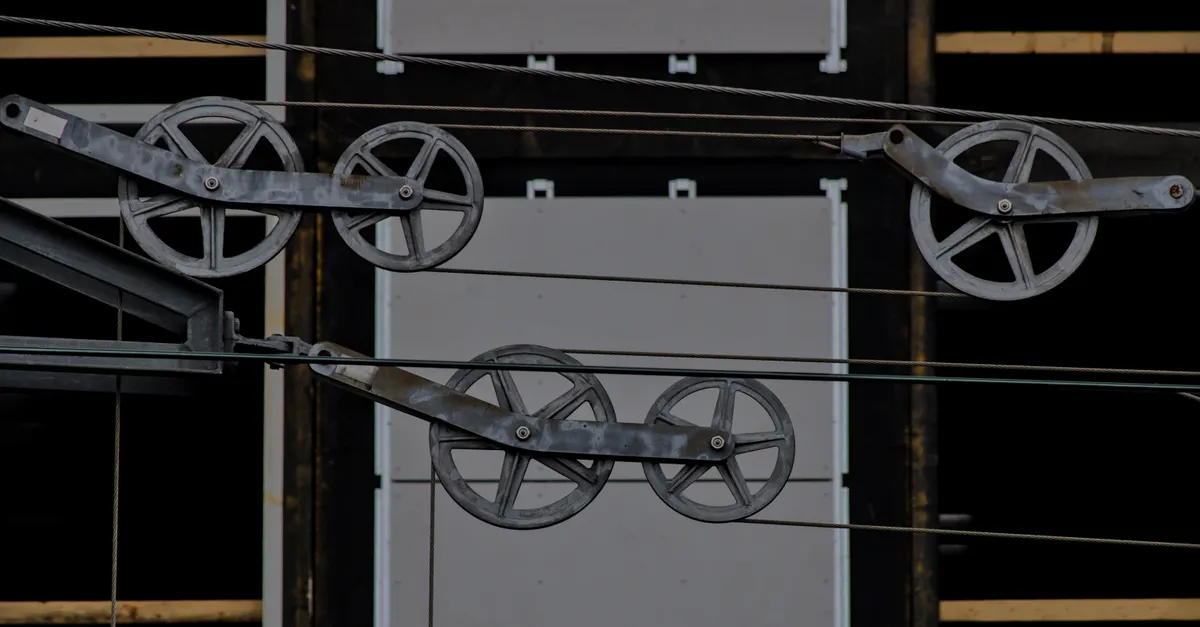
- Extension spring cables: These attach to the bottom bracket and run through pulleys to the extension springs, which are typically mounted along the horizontal tracks.
Each cable type has specific length and thickness requirements based on the door’s size, weight, and spring system. Using the wrong cable can lead to uneven lifting, premature wear, or even dangerous failures. For a deeper technical dive, the garage door cable professional guide provides advanced specs and installation tips.
How to Measure for the Correct Garage Door Cable Length
Accurately measuring your cables is the cornerstone of this garage door cable length guide. Here’s a step-by-step process to determine the right size for your door:
- Identify your spring system: Check whether your door uses torsion or extension springs. This affects both the cable type and length.
- Measure the door height: Most residential doors are 7 or 8 feet tall, but always measure from the floor to the top of the door for accuracy.
- Check the manufacturer’s recommendations: Many garage door brands specify cable lengths in their manuals or on their websites. If you have the original paperwork, consult it first.
- Measure an existing cable (if available): If your current cable isn’t broken, remove it and measure its total length, including the loops or stops at each end.
- Account for drum or pulley size: For torsion systems, the drum diameter can affect the required cable length. For extension systems, the pulley arrangement matters.
As a general rule, torsion spring cables are slightly shorter than the door height, while extension spring cables are usually the same length as the door height plus a few inches for routing through pulleys. Always round up to the nearest standard size if you’re unsure, as a cable that’s too short won’t work at all.
Common Cable Lengths for Residential Garage Doors
While every installation is unique, most residential garage doors fall into a few standard categories. Here’s a quick reference table for typical cable lengths:
| Door Height | Torsion Cable Length | Extension Cable Length |
|---|---|---|
| 7 ft (84 in) | ~8 ft (96 in) | ~8 ft (96 in) |
| 8 ft (96 in) | ~9 ft (108 in) | ~9 ft (108 in) |
| Custom/oversized | Door height + 12–18 in | Door height + 12–18 in |
These are general guidelines. Always verify with your door’s manufacturer or a trusted technician for your specific setup. For more on troubleshooting and fixing cable issues, see this resource on garage door cable common problems.
Why the Right Cable Length Matters
Using the correct cable size is vital for several reasons:
- Safety: Incorrect cable length can cause the door to jam, fall unexpectedly, or operate unevenly, posing a risk to people and property.
- Performance: Properly sized cables ensure smooth, balanced movement and reduce strain on springs and openers.
- Durability: When cables are too short or too long, they wear out faster and may lead to premature spring or drum failure.
For a detailed explanation of how cables work within the door system, check out the role of the garage door cable and how it works.
Tips for Selecting and Installing Replacement Cables
When it’s time to replace your garage door cables, keep these practical tips in mind:
- Match the cable type to your spring system (torsion or extension).
- Choose galvanized steel for corrosion resistance and long life.
- Verify the cable diameter (usually 1/8″ or 3/32″ for residential doors) as well as the length.
- Replace cables in pairs to ensure balanced operation.
- Follow safety precautions: Garage door springs are under high tension. If you’re unsure, hire a professional to avoid injury.
For more on maximizing the smoothness and efficiency of your system, the garage door cable efficiency guide offers expert tips for effortless lifting and longer component life.
Frequently Asked Questions
How do I know if my garage door cable is the wrong length?
Signs of an incorrect cable size include the door not opening or closing fully, cables coming off the drum or pulley, or the door moving unevenly. If you notice any of these issues, double-check your measurements and consult manufacturer specifications.
Can I use a longer or shorter cable than recommended?
It’s not advisable. A cable that’s too short won’t reach the necessary attachment points, while one that’s too long can tangle or slip off the drum. Always use the length specified for your door and spring system.
Is it safe to replace garage door cables myself?
Replacing cables can be dangerous due to the tension in the springs. If you have experience with garage door repairs and the right tools, you may be able to do it yourself. However, if you’re unsure, it’s best to hire a professional to avoid injury or property damage.
How often should garage door cables be replaced?
Most cables last 7–10 years with normal use, but factors like climate, frequency of operation, and maintenance can affect their lifespan. Inspect cables annually for fraying, rust, or kinks and replace them at the first sign of wear.
Conclusion
Finding the correct cable size is a crucial step in maintaining a safe and reliable garage door system. By following the steps in this garage door cable length guide, you can confidently measure, select, and install the right cables for your needs. Always prioritize safety, consult manufacturer documentation, and don’t hesitate to seek professional help for complex repairs. With the right approach, your garage door will operate smoothly and safely for years to come.